
Mindmap
Brain
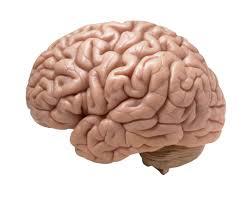
Inhalt der Mindmap
Brain
Characteristics
- 1.5 kg or 3 pounds
- Represent 2% of body weight
- Consist of approximately 75% water, 10% fat and 8% protein
- Consist of about 100 billion neurons
- consume 20% of total body oxygen
- Utilizes 20% of body’s energy
Brain structure
- Function
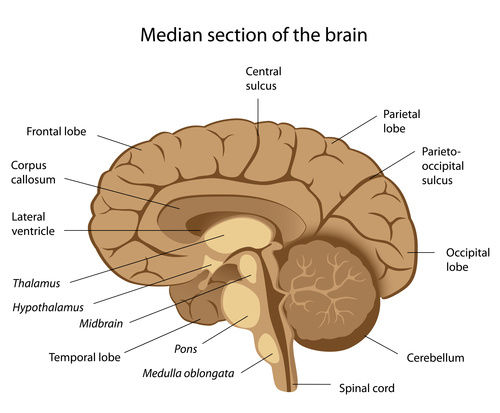
- Cerebral Cortex
- Temporal lobes
- Auditory perception
- Memory acquisition
- Emotional responses
- Language and speech production
- Movement
- Occipital lobes
- Visual information
- Parietal lobes
- Reasoning
- Intellect
- Sensory information processing
- Memory acquisition
- Frontal lobes
- Forward and critical thinking
- Reasoning
- Memory acquisition
- Movement
- Temporal lobes
- Reptilian Brain
- Brain Stem
- Controls life supporting functions of the nervous system
- Sense of balance (Vestibular function)
- Sensory alertness
- Cerebellum
- Control motor movement coordination
- Some memory acquisition for reflex motor acts
- Sensory representation
- Balance and equilibrium
- Muscle tone
- Brain Stem
- Limbic System
- Amygdala
- Hormonal secretions
- Emotional responses
- Memory
- Hypothalamus
- Maintains homeostasis
- Maintain autonomic functions of the peripheral nervous system
- Food and water intake regulation
- Sleep-wake cycle regulation
- Hippocampus
- Send and retrieves memory from long-term storage in the cerebral hemisphere
- Indexes
- Olfactory Cortex
- Identification of odors
- Thalamus
- Relays sensory signals to and from the spinal cord and the cerebrum
- Amygdala
- Cerebral Cortex
- Function
Brain Theory
- Function
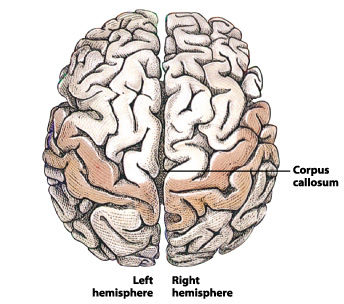
- Right Brain-Left Brain Theory
- Left Hemisphere
- Controls the right side of the body
- Right Hemisphere
- Controls the left side of the body
- Left Hemisphere
- Brain Waves Theory
- Beta, β
- Problem solving
- Decision making
- Analysis
- Judgment
- Alpha, α
- Problem solving
- Decision making
- Learning
- Theta wave, θ
- Memory
- Learning
- Delta wave, ẟ
- Healing
- Regeneration
- Beta, β
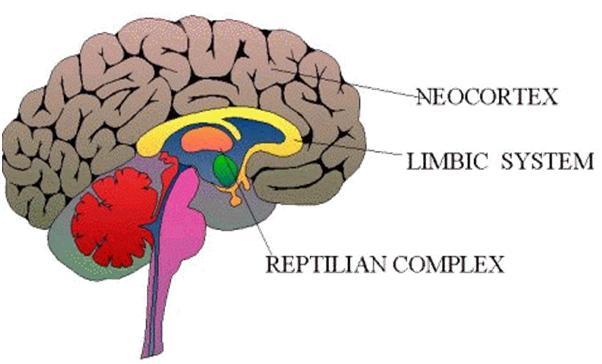
- The Triune Brain Theory
- Reptilian complex
- Controls the body’s vital functions
- Reliable but tend to be rigid and compulsive
- Neocortex
- Abstract thought imagination
- Flexible
- Consciousness
- Infinite learning capabilities
- Development of human language
- Limbic System
- Value the judgment made
- Unconsciousness
- Influence the behavior
- Responsible for emotions
- Reptilian complex
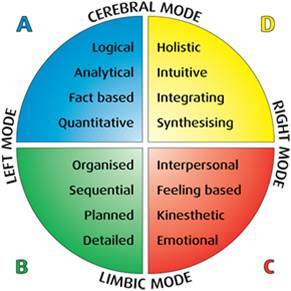
- Herman Brain Dominance Instrument (HBDI)
- enables individuals to understand their own thinking style preferences
- Right Brain-Left Brain Theory
- Characteristic
- Herman Brain Dominance Instrument (HBDI)
- Quadrant A : Logic
- Logical
- Analytical
- Fact-based
- Quantitative
- Quadrant B : Organized
- Organized
- Sequential
- Planned
- Detailed
- Quadrant C : Sensitive
- Interpersonal
- Feeling based
- Kinesthetic
- Emotional
- Quadrant D : Holistic
- Holistic
- Intuitive
- Intergrating
- Synthesising
- Quadrant A : Logic
- Herman Brain Dominance Instrument (HBDI)
- Function
Learning Process
- Emotional effect on memory
- Sensory information
- Characteristic
- Positive
- Thinking and learning are enhanced.
- The information will enter the cortex.
- Negative
- Thinking and learning are inhibited.
- The information will not enter the cortex.
- Positive
- Characteristic
- Brain areas
- Function
- Lower Brain (Reactive Brain)
- It reacts to information instinctively
- Prefrontal cortex (Thinking Brain)
- It will consciously process and reflect the information (through thinking)
- Lower Brain (Reactive Brain)
- Function
- Sensory information
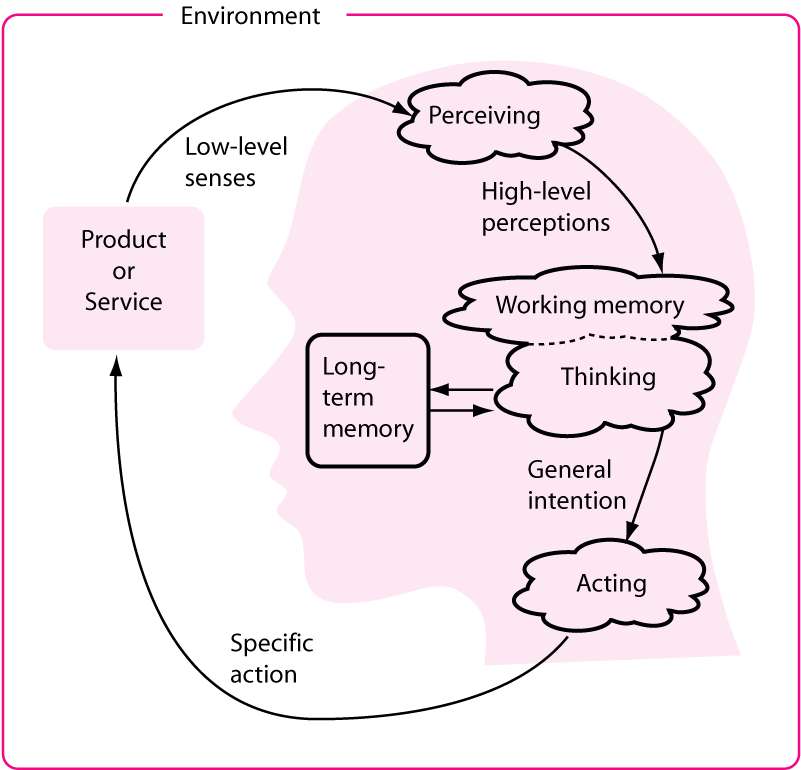
- Brain and Nervous System
- Type of nerves
- Function
- Motor nerves
- Allow the brain to control our muscles by sending a signals to the motor nerves
- Sensory nerve
- Carry signals about the outside world to the brain
- Motor nerves
- Function
- Type of nervous system
- Characteristic
- The Somatic Nervous System
- Actively control like moving our legs and arms
- The Autonomic Nervous System
- Works automatically
- The Somatic Nervous System
- Characteristic
- Type of nerves
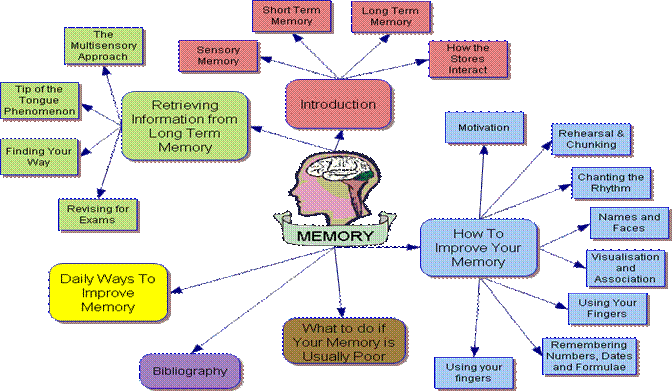
- Memory process
- Application
- Graphic organizer
- Mind map
- Application
- Emotional effect on memory
Bilder und Dateien der Mindmap
Informationen
- Beschreibung
- Brain functions and Learning Process
- Erstellt von
- Ieyda94
- Aufrufe
- 122
- Tags
- Bewertung