
7268761
Beschreibung

Mindmap von Batool Aldaher, aktualisiert more than 1 year ago

|
Erstellt von Batool Aldaher
vor fast 10 Jahre
|
|
PESTICIDE POISONING
CAUSED TODDLER’S DEATH
- Food poisoning and intoxication
- causes
- toxic agent
- infectious agent
- viruses
- parasites
- bacteria
- Bacillus cereus
- Campylobacter species
- Clostridium botulinum
- Clostridium perfringens
- Listeria monocytogenes
- Staphylococcus aureus
- Staphylococcus aureus
- Listeria monocytogenes
- Clostridium perfringens
- Clostridium botulinum
- Campylobacter species
- Bacillus cereus
- viruses
- toxic agent
- Sign and symptoms
- Nausea
- Vomiting
- Watery diarrhea
- Abdominal pain
- Fever
- Fever
- Abdominal pain
- Watery diarrhea
- Vomiting
- Nausea
- common poisonous
household items
- The most dangerous
poisons for children
- Medicines
- Carbon monoxide
- Button batteries
- Iron pills
- Cleaning products
- Cleaning products
- Iron pills
- Button batteries
- Carbon monoxide
- Medicines
- The most common
poisons in adults
- pain medicines
- antidepressants
- cardiovascular drugs
- alcohols
- pesitcides
- bites
- bites
- pesitcides
- alcohols
- cardiovascular drugs
- antidepressants
- pain medicines
- The most dangerous
poisons for children
- Emergency management
- DO NOT
- Give an unconscious
person anything by
mouth
- Induce vomiting
- Try to neutralize the
poison with lemon juice
or vinegar
- Use any "cure-all"
type antidote
- Wait for
symptoms to
develop
- Give an unconscious
person anything by
mouth
- DO NOT
- causes
- Critical Care
- helps people with life-threatening injuries and illnesses. It might
treat problems such as complications from surgery, accidents,
infections, and severe breathing problems
- helps people with life-threatening injuries and illnesses. It might
treat problems such as complications from surgery, accidents,
infections, and severe breathing problems
- Induced coma
- when a patient receives a controlled dose of an
anesthetic to cause a temporary coma or a deep
state of unconsciousness.
- when a patient receives a controlled dose of an
anesthetic to cause a temporary coma or a deep
state of unconsciousness.
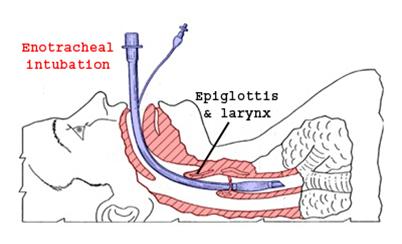
- Endotracheal intubation
- Hemodynamic Monitoring
- assessment of the
Cardiovascular System
- Arterial Blood Pressure
- Central Venous Pressure
- Pulmonary Artery Catheter
- Cardiac Output Measurement
- Tissue Oxygenation
- Arterial Blood Pressure
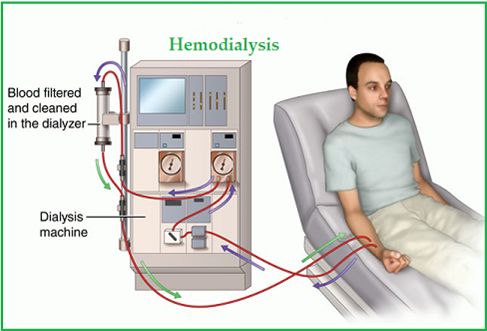
- Hemodialysis
- assessment of the
Cardiovascular System
- Synapses
- types
- Structural Classification
- Axosomatic
- Axodendritic
- Axoaxonic
- Axoaxonic
- Axodendritic
- Axosomatic
- Functional Classification
- Electrical
- Chemical
- Electrical
- Structural Classification
- Synaptic transmmation
- One-to-one synapses
- One-to-many synapses
- Many-to-one synapses
- Many-to-one synapses
- One-to-many synapses
- One-to-one synapses
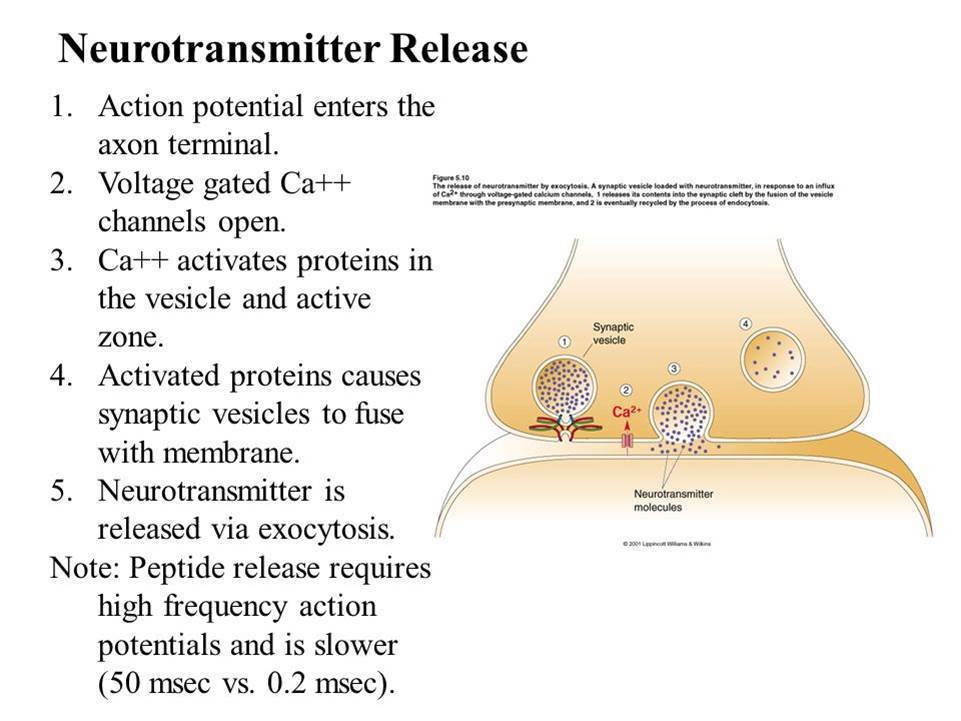
- Neurotransmitter
- types
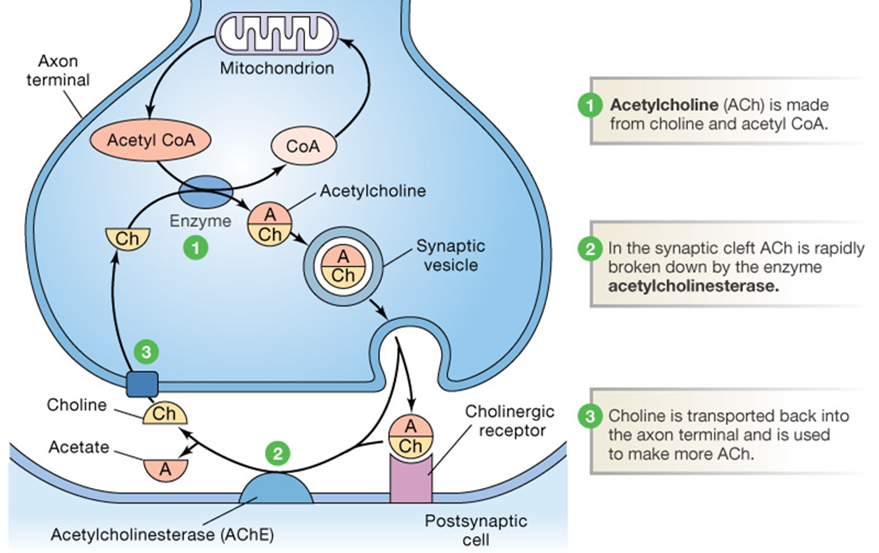
- acetylcholine
- 2- monoamines
- Purines
- Fatty acids
- peptides
- Single ions
- Single ions
- peptides
- Fatty acids
- Purines
- acetylcholine
- mechanism of action
- types
- types
- Autopsy
- Legal importance
of autopsy
- Legal importance
of autopsy
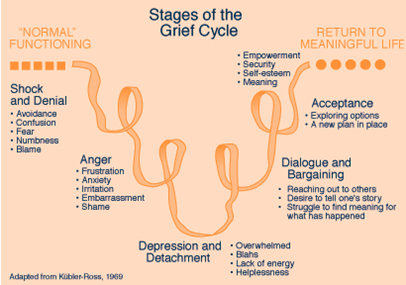
- Psychological
Rehabilitation for
Grief Reaction
- support group
- grief counselor
- face feelings
- Engage activities
- anniversaries
- Psychoeducation
- Psychoeducation
- anniversaries
- Engage activities
- face feelings
- grief counselor
- support group
- Demographics
- Abd al rahman ( 6 years old )
- Habiba ( 2 years old )
- Abd al rahman ( 6 years old )
- Epidemiology
- 75% of the poisoning exposures happen
to children under 5 years of age
- Nearly 90% of exposures
occurring at home
- 75% of the poisoning exposures happen
to children under 5 years of age
Medienanhänge
Möchten Sie kostenlos Ihre eigenen Mindmaps mit GoConqr erstellen? Mehr erfahren.