Muhammad's Palpable Spleen

Description

Mind Map on Muhammad's Palpable Spleen, created by Mariam Alzaabi on 21/04/2018.
Mariam Alzaabi
Mind Map by Mariam Alzaabi, updated more than 1 year ago
Mariam Alzaabi
Created by Mariam Alzaabi over 7 years ago
14
0

Resource summary

Muhammad's Palpable Spleen
  1. Overview of Anemia
    1. Definition
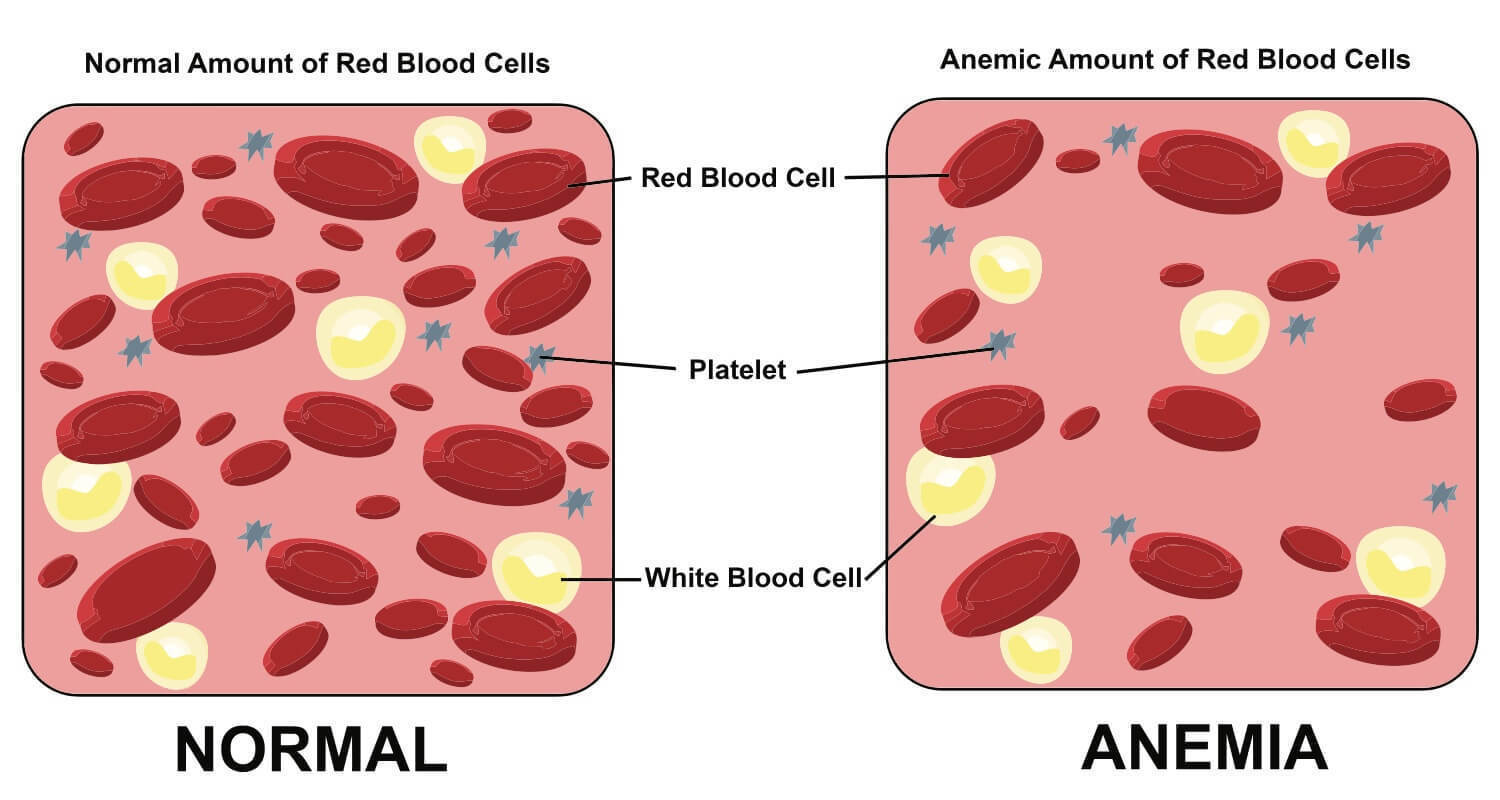
      1. Reduction in the Red cell mass resulting in decreased oxygen transporting capacity of the blood
      2. Causes
        1. Blood loss
          1. Chronic
            1. Acute
        2. The Spleen
          1. Anatomy
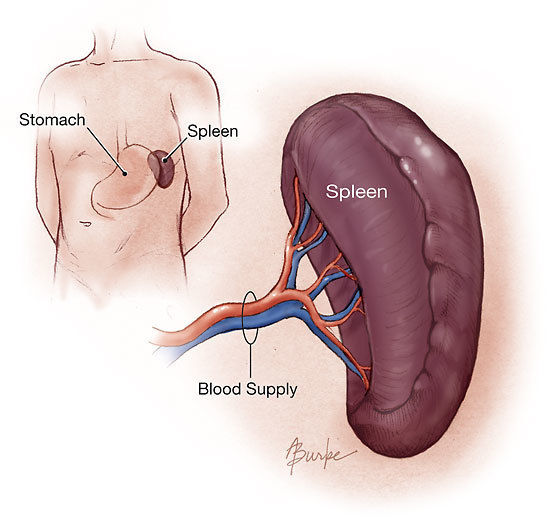
            1. lymphatic organ lying against the diaphragm and ribs 9 to 11 in the left hypochondriac region
            2. Physiology
              1. Filters blood (removes damaged and worn-out erythrocytes and platelets.
                1. Provides the immune response
                2. Pathology
                  1. Splenomegaly
                    1. is defined as enlargement of the spleen measured by double it's typical size
                      1. Causes
                        1. Infections
                          1. Hemolytic anemias
                            1. Immune thrombocytopenia
                              1. Splenic vein hypertension
                              2. Effects
                                1. Abdominal bloating
                                  1. Early feeling of satiety
                            2. White Blood Cells
                              1. Leukopoiesis
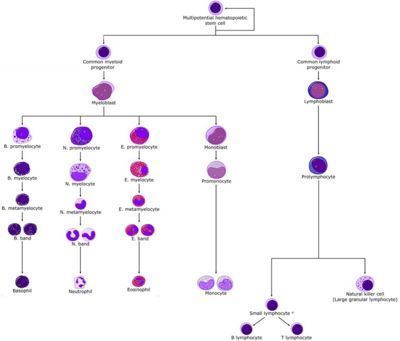
                                1. Leukopoiesis is a form of hematopoiesis in which leukocytes are formed in bone marrow in adults and hematopoietic organs in the fetus
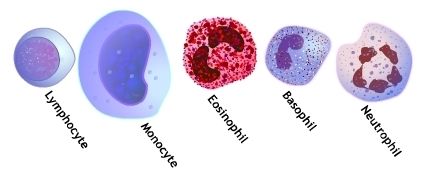
                                2. Types of WBC's
                                  1. Neutrophils
                                    1. Basophils
                                      1. Eosinophils
                                        1. Monocytes
                                          1. Lymphocytes
                                          2. Count
                                            1. 4-10,000× 109/L
                                            2. Disorders of WBC's
                                              1. Leukocytosis
                                                1. neutrophillia
                                                  1. Bacterial infections
                                                  2. Lymphocytosis
                                                    1. Viral infections
                                                    2. Monocytosis
                                                      1. Chronic infections
                                                      2. Eosinophilia
                                                        1. Type I hypersensitivity reaction
                                                        2. Basophilia
                                                          1. Indicates Malignancies
                                                        3. Leukopenia
                                                          1. Neutropenia
                                                            1. Lymphopenia
                                                            2. Leukaemoid Reaction
                                                              1. This is a reactive and excessive leukocytosis
                                                            3. Neoplastic proliferations of WBC
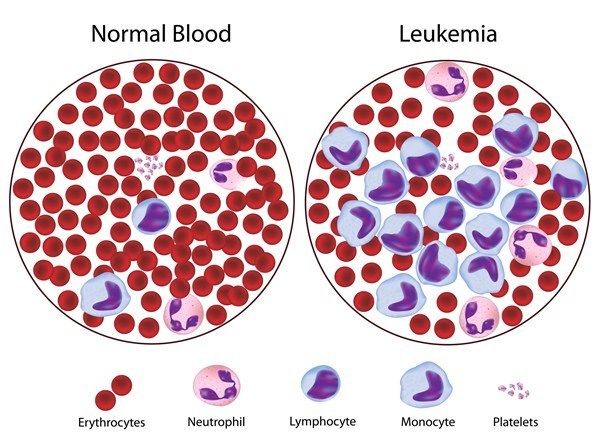
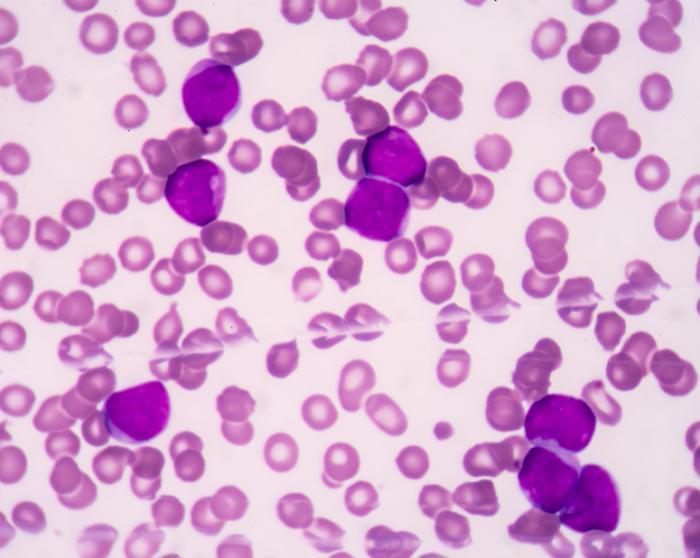
                                                              1. leukemia
                                                                1. It is uncontrolled proliferation of immature blood cells that presents in bone marrow or peripheral blood
                                                                  1. Acute Leukemia
                                                                    1. AML
                                                                      1. Aeur Bodies
                                                                      2. ALL
                                                                        1. T-ALL manifest as lymphoma usually of thymus
                                                                          1. B-ALL manifest as childhood leukemia
                                                                        2. Chronic Leukemia
                                                                          1. CLL
                                                                            1. CML
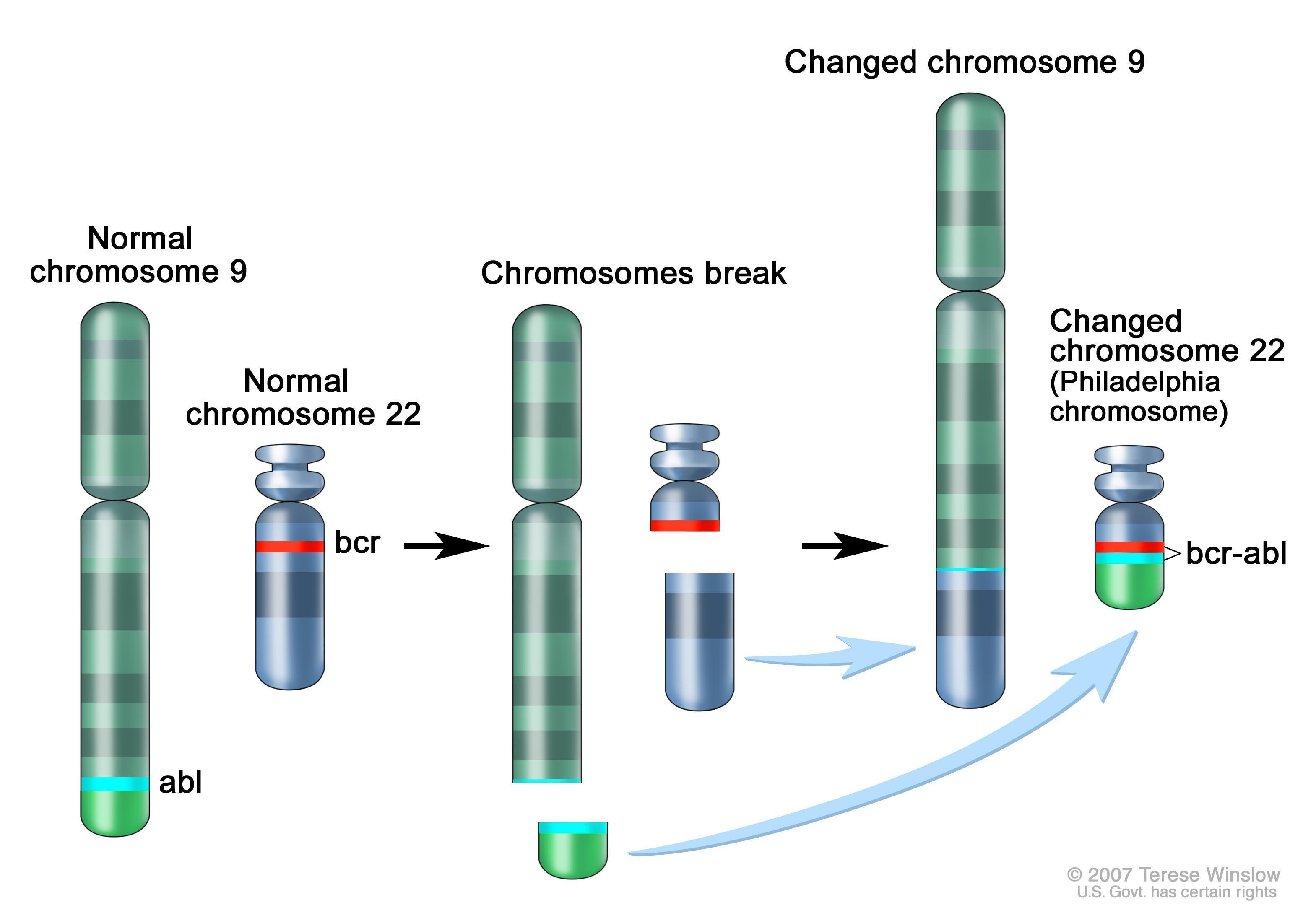
                                                                              1. Genetic Translocation of Philadelphia Chromosome
                                                                                1. Clinical Presentation
                                                                                  1. Enlarged spleen
                                                                                    1. Abdominal fullness
                                                                                      1. Anemia
                                                                                      2. Treatment
                                                                                        1. Imatinib
                                                                                          1. Inhibition of tyrosine kinase.
                                                                                            1. side effects
                                                                                              1. Nausea
                                                                                                1. Vomiting
                                                                                                  1. Diarrhea
                                                                                                2. Bone Marrow Transplantation
                                                                                                  1. HLA Typing
                                                                                                    1. system that encodes for MHC proteins in the human body
                                                                                                      1. HLA is used to match you and your donor to avoid rejection. The best match for you would come from a person who’s HLA closely resembles yours.
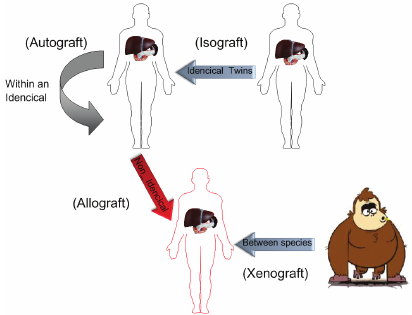
                                                                                                      2. Grafts
                                                                                                        1. A graft is any type of tissue that is transplanted from one individual to the other.
                                                                                                          1. Graft Vs. Leukemia: The transplanted graft rejects the leukemic cells which is beneficial to the patients. (Only relevant to patients with leukemia)
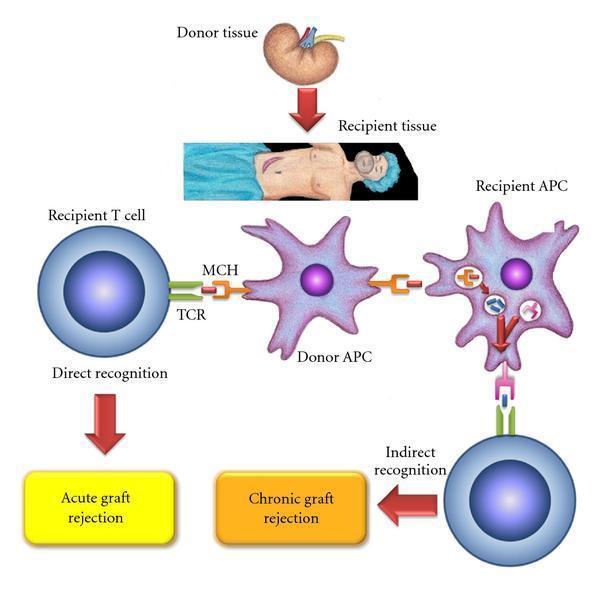
                                                                                                          2. Types of Rejection
                                                                                                            1. Hyperacute
                                                                                                              1. Acute
                                                                                                                1. Chronic
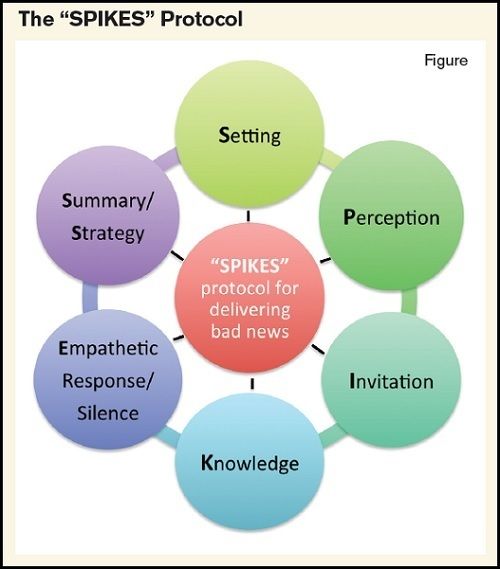
                                                                                                          3. Breaking Bad News
                                                                                                            1. Impact of the Internet on Patients Understanding
                                                                                                              1. The impact of the Internet can be both positive and negative which depends on each individual
                                                                                                              2. Psychological aspects of cancer patients
                                                                                                                1. Creates enormous stress. Patients experience fear, anxiety and depression
                                                                                                        2. History Taking
                                                                                                          1. B symptoms
                                                                                                            1. Bleeding
                                                                                                              1. Lymph gland enlargement
                                                                                                              2. Physical Examination
                                                                                                                1. dehydration
                                                                                                                  1. pallor
                                                                                                                    1. petechiae
                                                                                                                      1. Inspection
                                                                                                                        1. Lymphadenopathy
                                                                                                                        2. Diagnosis
                                                                                                                          1. CBC
                                                                                                                            1. High WBC
                                                                                                                              1. Mild anemia
                                                                                                                                1. Thrombocytosis
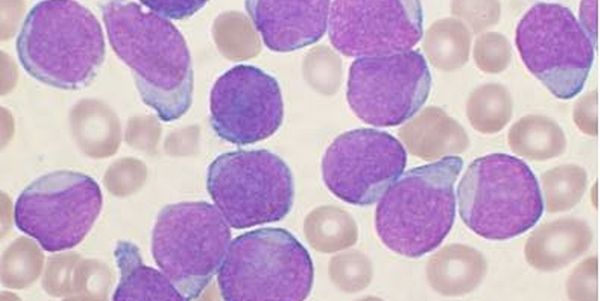
                                                                                                                                2. Morphological features
                                                                                                                                  1. scant agranular cytoplasm
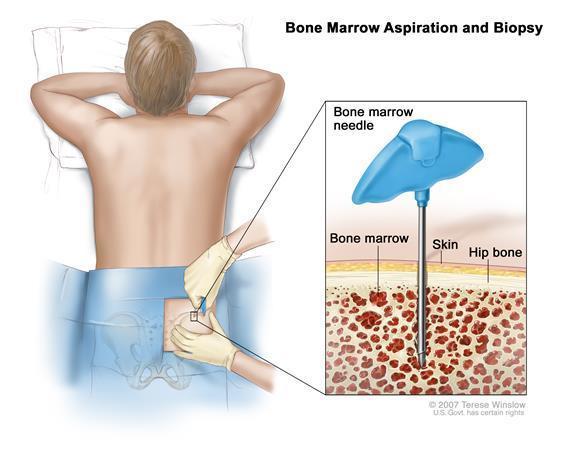
                                                                                                                                  2. Bone Marrow Test
                                                                                                                                    1. Biopsy
                                                                                                                                      1. Aspiration
                                                                                                                                Show full summary Hide full summary

                                                                                                                                Similar