
16300231
Descripción

Fichas por Erin Vales, actualizado hace más de 1 año

|
Creado por Erin Vales
hace alrededor de 7 años
|
|
| Pregunta | Respuesta |
| Correlation coefficient (r) | a numerical measure of strength and direction of the linear relationship between two variables |
| Standard deviation formulas | |
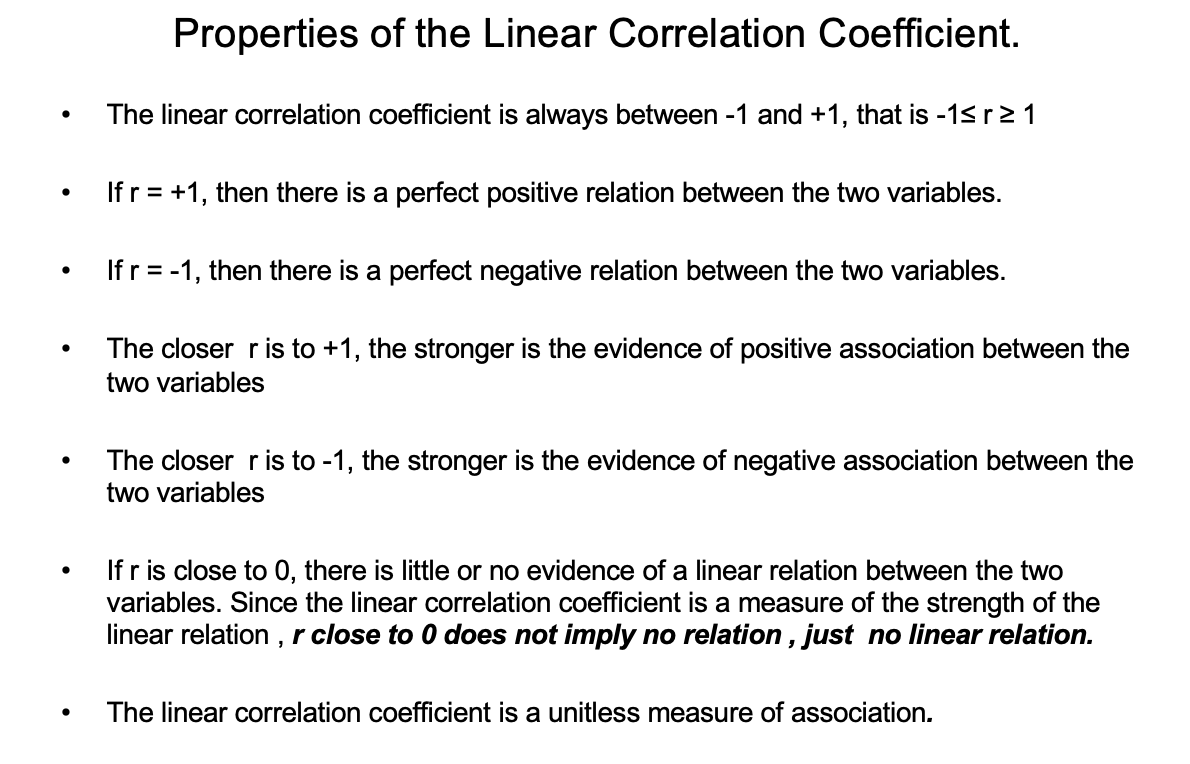
| Properties of Linear Correlation Coefficient | |
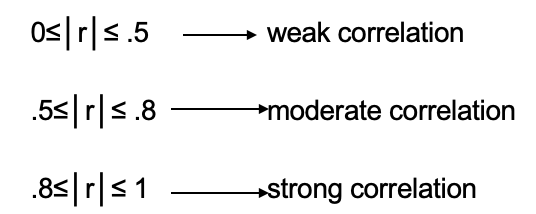
| Rule of Thumb For Interpreting r | |
| Regression | prediction of the average response for all subjects with a given value of the explanatory value |
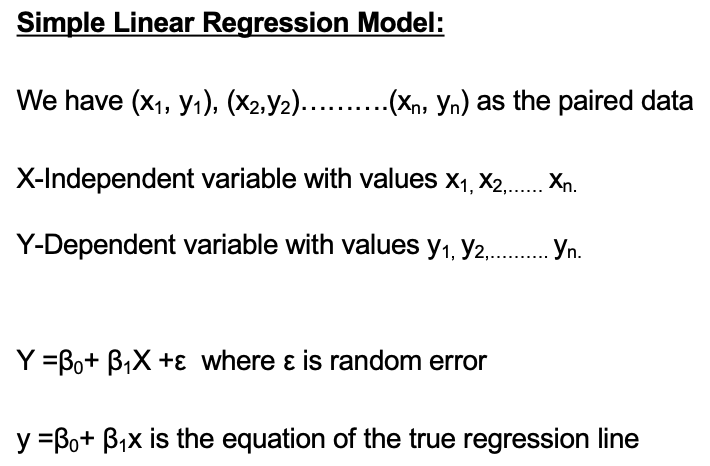
| Simple Linear Regression Model | |
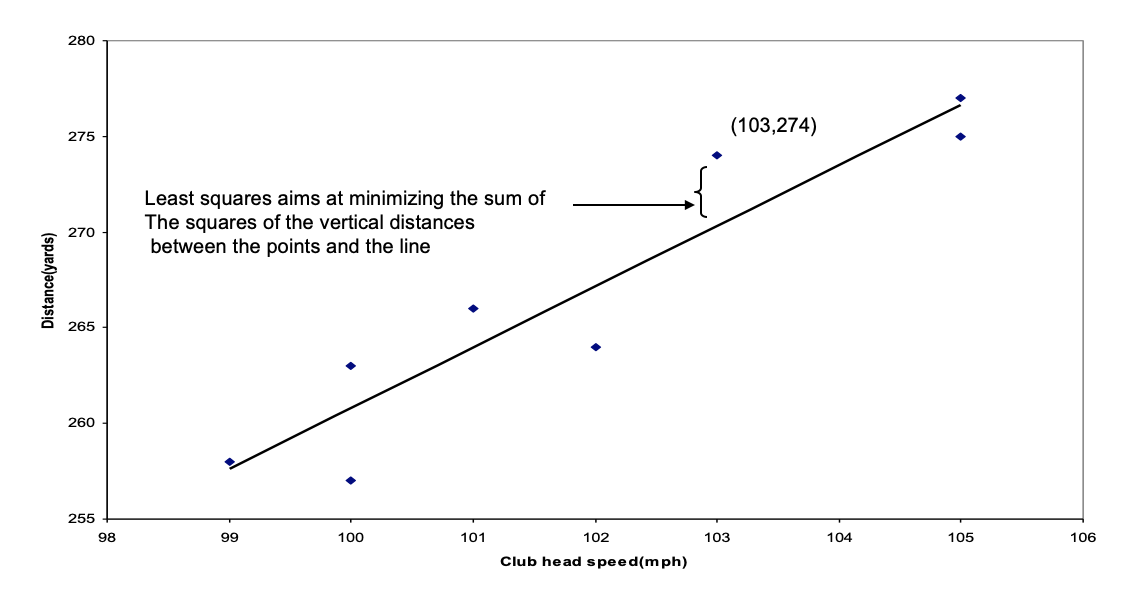
| Least Squares Regression Line (Best fitting line) | the line that minimizes the sum of the squared errors (or residuals) the line that minimizes the square of the vertical distance between the observed values of y and the predicted values |
| Residuals | the vertical distances between the observed and predicted values |
| Interpreting Intercept | the value of the response when the value of the explanatory is 0 |
| Interpreting Slope | the value of the response when the value of the explanatory increases by 1 |
| Extrapolation | predicting Y values for X values outside the range of the original values |
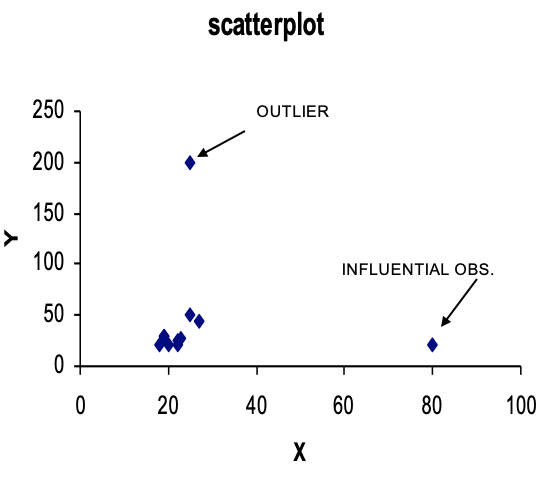
| Outlier | an observation that falls within the range of the other X values but which lies far above or below the regression line and produces large residual |
| Influential Observation | observations that are separated in the X (horizontal) direction from the other observation have unusually large influence on the position of the regression line |
| Coefficient of Determination r^2 | indicates the proportion of observed y variation that can be explained by the linear regression model r^2 = (1 - SSResid)/SSTotal |




¿Quieres crear tus propias Fichas gratiscon GoConqr? Más información.