
30557312
Description

Flashcards by Valeria María Castillo Ventura, updated more than 1 year ago

|
Created by Valeria María Castillo Ventura
over 4 years ago
|
|
| Question | Answer |
| Adenine | Adenine is a purine nucleobase with an amine group attached to the carbon at position 6. Adenine is the precursor for adenosine and deoxyadenosine nucleosides. |
| bacteriophage | Is a virus that infects and replicates within bacteria and archaea. |
| base | A base is a substance that reacts with an acid in an acid-base reaction. The mechanism through which a base works has been argued throughout history. |
| complementary base pair | the complementary base pairing rule, states that DNA base pairs are always adenine with thymine (A-T) and cytosine with guanine (C-G). |
| Cytosine |
Cytosine is one of the four main bases found in DNA and RNA, along with adenine, guanine, and thymine (uracil in RNA). It is a pyrimidine derivative, with a heterocyclic aromatic ring and two substituents attached (an amine group at position 4 and a keto group at position 2).
Image:
Oip (image/jpeg)
|
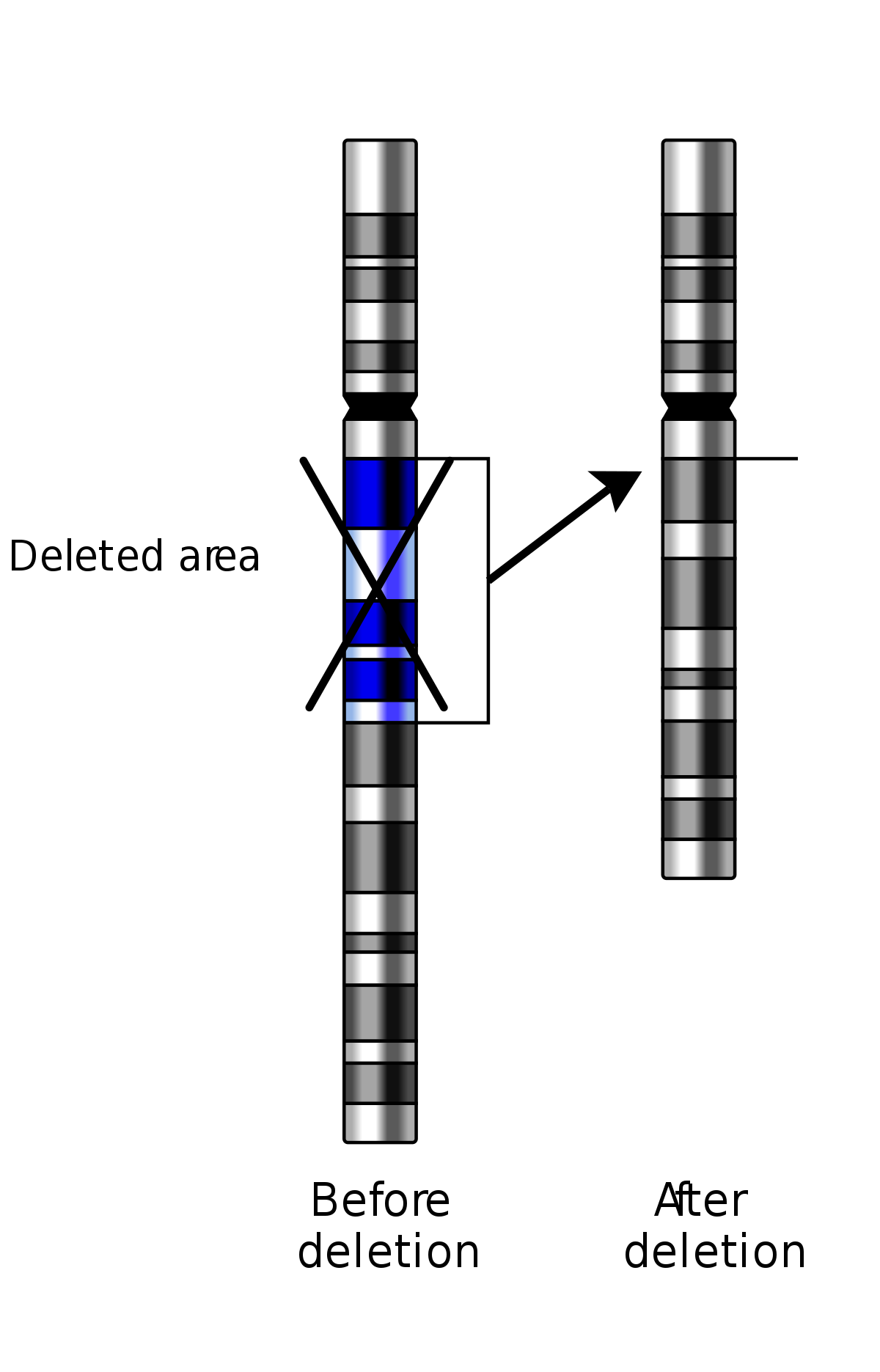
| deletion mutation | In genetics, a deletion (also called gene deletion, deficiency, or deletion mutation) (sign: Δ) is a mutation (a genetic aberration) in which a part of a chromosome or a sequence of DNA is left out during DNA replication. |
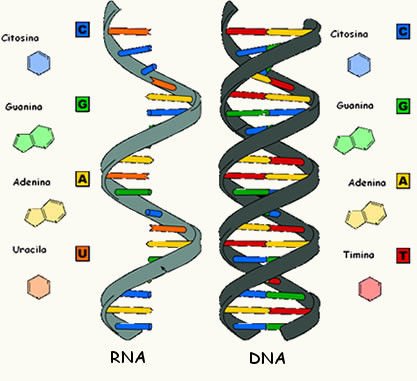
| dexoribonnucleid acid |
Is a molecule composed of two polynucleotide chains that coil around each other to form a double helix carrying genetic instructions for the development, functioning, growth and reproduction of all known organisms and many viruses.
Image:
Vgg&Pid=Img Raw (image/jpeg)
|
| DNA Helicase |
This helicase was described as a "DNA unwinding enzyme" that is "found to denature DNA duplexes in an ATP-dependent reaction, without detectably degrading".
Image:
Oip (image/jpeg)
|
| DNA ligase | Is a specific type of enzyme, a ligase, facilitates the joining of DNA strands together by catalyzing the formation of a phosphodiester bond. |
| DNA polymerase | Is a member of a family of enzymes that catalyze the synthesis of DNA molecules from nucleoside triphosphates, the molecular precursors of DNA. |
| DNA replication | is the process by which a molecule of DNA is duplicated. When a cell divides, it must first duplicate its genome so that each daughter cell winds up with a complete set of chromosomes. |
| Double helix | In molecular biology, the term double helix refers to the structure formed by double-stranded molecules of nucleic acids such as DNA. The double helical structure of a nucleic acid complex arises as a consequence of its secondary structure, and is a fundamental component in determining its tertiary structure. |
| free nucleotide | Free nucleotides play important roles in cell signaling and metabolism , serving as convenient and universal carriers of metabolic energy and high-energy electrons. |
| Guanine | Guanine is one of the four main nucleobases found in the nucleic acids DNA and RNA, the others being adenine, cytosine, and thymine (uracil in RNA). |
| Intersection mutation | An insertion mutation is a permanent change in a DNA sequence caused by the addition of nucleotides |
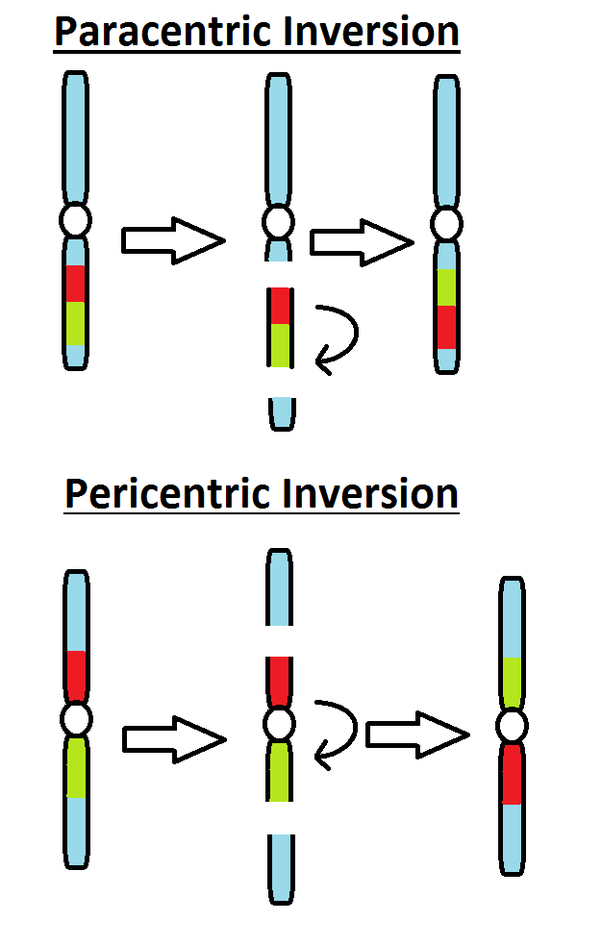
| Inversion | In general, the term inversion refers to the reversal of state, form, position, direction, order, or course. In biology, particularly in anatomy, the term inversion is used to refer to the movement of sole towards the median plane. In genetics, inversion is a type of large-scale mutation. |
| Mutation | At the simplest level, a mutation is a change or transformation. In biology, mutations refer to changes in chromosomes and genes, which typically manifest physically. |
| Cytosine | a pyrimidine base, C4H5N3O, that is one of the fundamental components of DNA and RNA, in which it forms a base pair with guanine |
| Deletion mutation | is a mistake in the DNA replication process which removes nucleotides from the genome. It can remove a single nucleotide or entire sequences of nucleotides. |
| Deoxyribonucleic acid | is an organic chemical that contains genetic information and instructions for protein synthesis. It is found in most cells of every organism. |
| Nucleotide | are composed of a nitrogenous base, a five-carbon sugar (ribose or deoxyribose), and at least one phosphate group. |
| Nucleotide substitution | is a point mutation. Point mutation A type of mutation in which a single nucleotide is changed to one of the other three possible nucleotides. Semiconservative replication Two strands of DNA unzip, and a new strand is assembled onto each 'conserved' strand. The replicated double helix consists of one old strand and one newly synthesized strand. |
| Strand | is a long, thin molecule averaging only about two nanometers Sugar-phosphate backbone forms the structural framework of nucleic acids, including DNA and RNA. Is composed of alternating sugar and phosphate groups and defines the directionality f the molecule. |
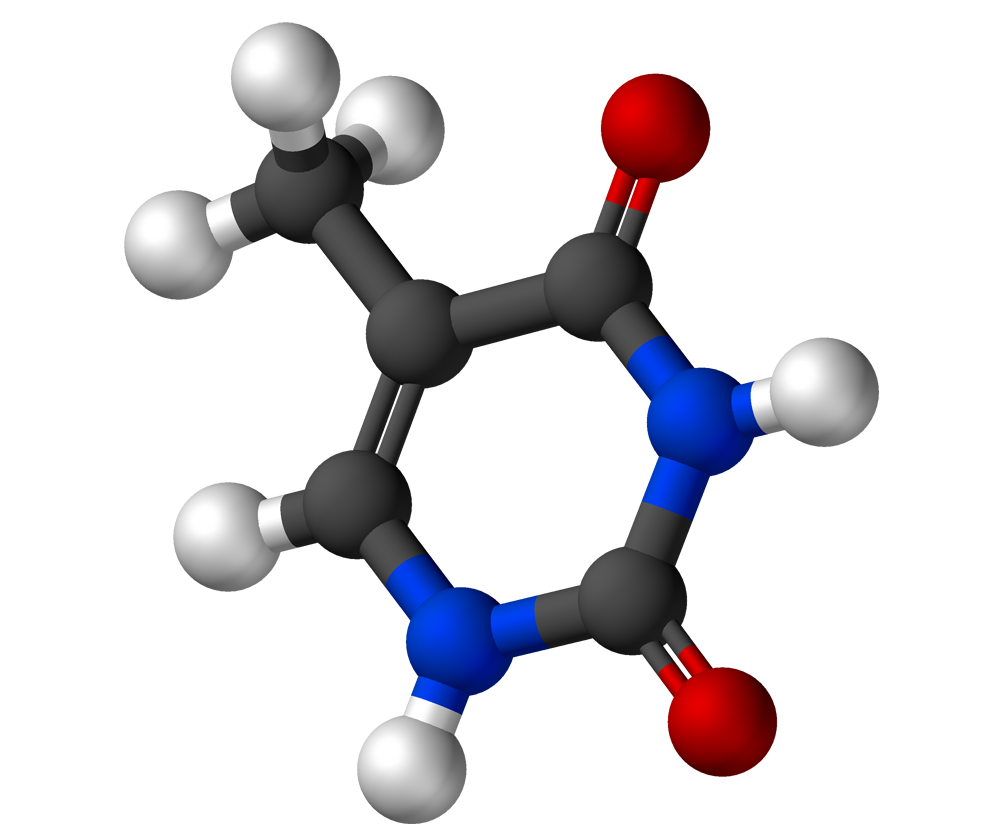
| Thymine | is a pyrimidine nucleobase, which pairs with adenine (A), a purine nucleobase. ... They are joined together as a base pair by two hydrogen bonds, which stabilize the nucleic acid structures in DNA. Translocation A genetic change in which a piece of one chromosome breaks off and attaches to another chromosome. Sometimes pieces from two different chromosomes will trade places with each other. |
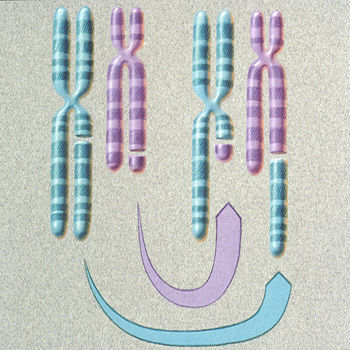
| Translocation |
Translocation is a type of chromosomal abnormality in which a chromosome breaks and a portion of it reattaches to a different chromosome.
Image:
Translocation1 (image/jpeg)
|


Want to create your own Flashcards for free with GoConqr? Learn more.