
3375768
Description

Flashcards by Carlos Luna, updated more than 1 year ago
More


| Question | Answer |
| Levels of organization of matter. | |
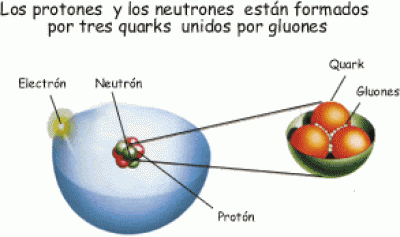
| Fundamental particles. | Fundamental particles level:This level consists of quarks and leptons that make up matter, leptons together to create neutrons and protons. |
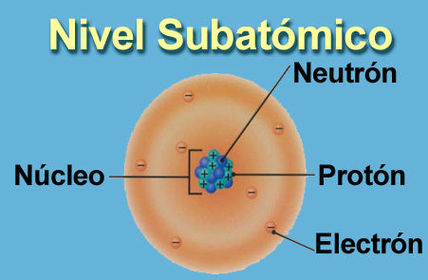
| Subatomic level. | Subatomic level: It is composed of neutrons, protons and electrons apart is the simplest of all level. |
| Atom level. | Atom level: It is an atom or also in biology called bioelementos any material comprised of the periodic table as oxygen, hydrogen, etc. Also it conforms neutrons, electrons and protons. |
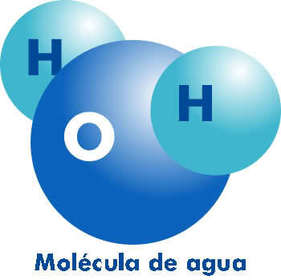
| Molecules level. | Molecules level: Is the union of several different atoms to form for example gaseous oxygen. They can be organic or inorganic. |
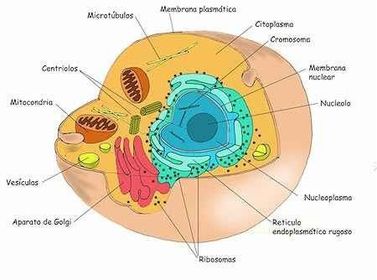
| Subcellular structures or organelles. | Subcellular structures or organelles: It is not considered a level as such but are in the middle between molecules and cell because it is considered that joins several molecules to form larger as organelles, plastic membranes, etc. |
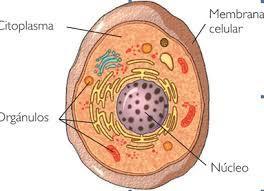
| Cell level. | Cell Level: the molecules are grouped into cellular units with own life and ability to self-replicate. The cells can be prokaryotic or eukaryotic depending on its structure. |
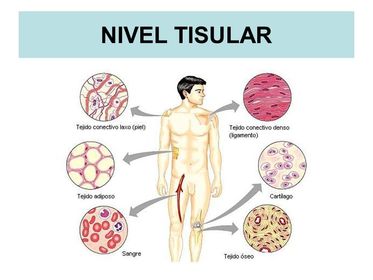
| Tissue Level. | Tissue Level: The cells are organized in tissues: epithelial, adipose, nerve, muscle ... In parenchymal would speak plants, for example. Histology is the science that deals with the study of tissues. |
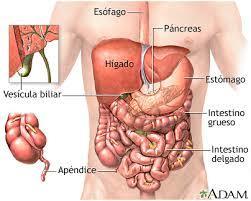
| Organular Level. | Organular Level:tissues are structured organs: heart, spleen, lungs, brain, kidneys ... In plants, we can talk of leaves, stem, root. |
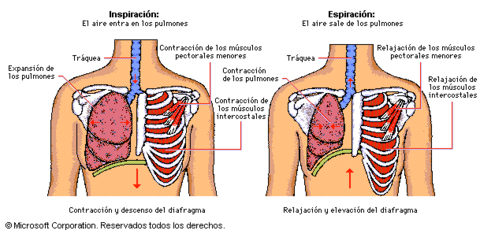
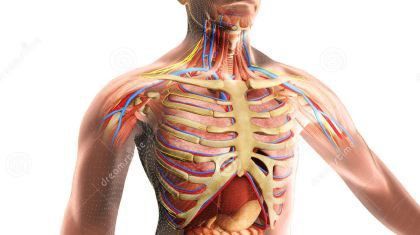
| Systematic Level. | Systematic Level:organs are structured devices or more complex systems that perform broader functions. We have the example of the digestive, respiratory, circulatory, nervous systems. |
| Organism level. | Organism level: higher level of organization in which the cells, tissues, organs and systems of operation are superior organization as living beings: animals, plants, insects. |
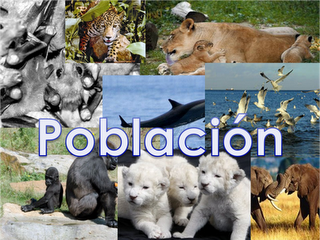
| Town or population level. | Town or population level: organisms of the same species are grouped in number to form a population center: a pride of lions or wolves, a forest of maples, pines also coincide in time and space. |
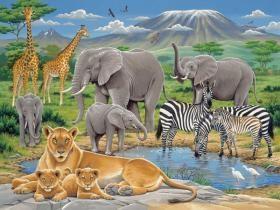
| Community level. | Community level: is all living beings from one place, for example, a set of populations of different living things. It consists of different species. |
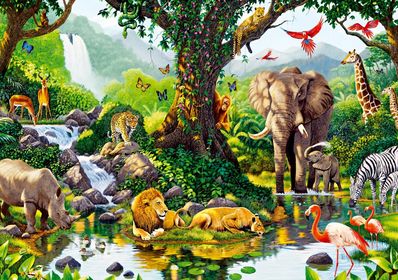
| Ecosystem level. | Ecosystem level: The biological community interaction with the physical environment, with a wide spatial distribution. Populations, communities and ecosystems are studied by ecology. |
| Landscape level. | Landscape level: is a top level organization comprising several different ecosystems within a given unit area. For example , the set of vine , olive and almond characteristics of the southeastern provinces called agro Spanish . |
| Region level. | Region level : It is a higher level of organization of landscape and represents a geographical area grouping several landscapes. |
| Biome level. | Biome level: size are highly associated ecosystems specific environmental features : macroclimatic as humidity, temperature, radiation and rely on the dominance of one species while not homogeneous. |
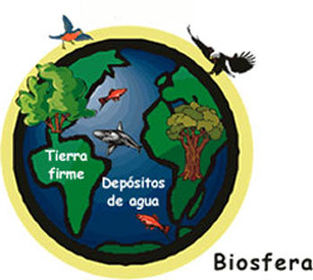
| Biosphere level. | Biosphere level: Is the whole of living beings and inert components comprising planet earth , or likewise is the layer of the atmosphere where there is life and is based on the lithosphere . |
| Bibliography apa | Ciencia y Biologia. 2014-08-07. Niveles de organización de la materia. Ciencia y Biologia. Disponible en: http://cienciaybiologia.com/niveles-de-organizacion-de-la-materia/. 2015/09/05. |
| Members. 3PROG-AMBI | Carlos Eduardo Luna González. Orlando Nava Zúñiga. Octavio Maximiliano Valdez González. Javier Alejandro Zavala Alfaro. |


Want to create your own Flashcards for free with GoConqr? Learn more.