
9036746
Description

Flashcards by Celestine Thomson, updated more than 1 year ago
|
|
Created by Celestine Thomson
over 8 years ago
|
|
| Question | Answer |
| 3 COMMON GROUPS OF MATERIALS | Metals Ceramics Polymers |
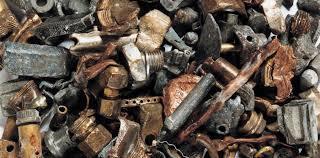
| METALS Gold, brass, silver, iron, copper, lead and aluminium eg: scissors, nail, hammer, teaspoon, aluminium gate, coin, trumpet, key |
Image:
Metals (image/jpeg)
|
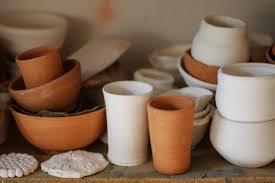
| CERAMICS Pottery, glass and porcelain eg: glass, porcelain tea cup, pottery jar |
Image:
Ceramics (image/jpeg)
|
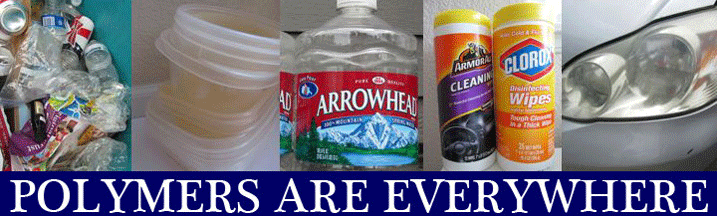
| POLYMERS Plastic, rubber, nylon, wood, cotton and fabric eg: polystyrene cup, plastic ball, shirt, jersey, brick, socks |
Image:
Polymers (image/gif)
|
| The materials in each group have properties the are similar. A property tells us what the material is like. | Properties of metals: Metals are usualy shiny, hard and strong. Used to make things. |
| Properties of cermaics (clay and glass) They are usually brittle and can break easily. | Properties of polymers (plstics and fibres) these are non metals. Human made. |
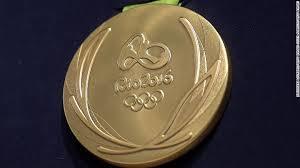
| More properties of metals Metals are also malleable. The shape can be changed by pressing and squashing it. When metals are heated they can be hammered into different shapes. Look at the flat round shape of a gold medal. |
Image:
Metals2 (image/jpeg)
|
| Metals are ductile. Like chewed bubblegum you can pull it to form a long thread without breaking it. | When metals are heated they can be pulled to form thin wires without breaking. Metals are solids but can also be liquids. To make gold bars gold is heated ato a very high temperature to make it a liquid. Liquid poured into a mould and when cools it becomes solid. |
| Melting point temperature at which something melts | Iron 1538 Copper 1085 Gold 1064 Silver 961,8 Lead 327,5 |
| Properties of non metals Non metals like glass, clay and chald. Chalk is dull. If you dropped hcalk, glass or caly it would break. The material is brittle. | Properties of solid non metals such as glass, chalk and clary are: Dull Brittle |
| Uses of metals More properties Metals conduct (transfer or carry) heat energy Some metals are magnetic Only iron rusts but some metals tarnish or become dull | Some materials are good conductors of heat. Heat energy travels through them easily. oHter materials do not transfer heat energy so are not good conductors. |
| A metal spoon conducts heat better than a plastic or wooden spoon. Non metals such as wood and plstic do not conduct heat very well. Metals are good conductors of heat. This is why we use it to make pots. | Some metals are magnetic some are not. When a material is atracted to a magnet we say it is magnetic. Iron and steel is magnetic but nickel and copper is not. |
| We use the magnetic properties of metails in different ways. Magnetic power drives some hairdryers. Some trains are driven by magnetic power Magnets make it poossible for television sets and radios to produce sound Computers use magnets to store information | Homing pigeons find their way home as hteiy use hte Earths magnetisims to sndse direction like a compass. Earphones on a cellphone use magnets to produce sound. |
| An electromagnet uses electricity to beocme magnetic. When electricyt is switched on, iron and steel stick to the electromangnet. A crane witha powerful electromagnet can life up scrap iron and steel from a scrap heap. | Only iron rusts. In wet conditions iron reacts with oxygen in the air to form rust. The only metal that rusts. Others tarnish. They become dull instead of shiny. |
| A metal loses its shine and strength when it rusts. Copper, brass, aluminium, stainless steel and gold do not rust. However these tarnish. They have to be cleaned and rubbed to keep them shiny. | Metals are used to make things that we see and use everyday. We use metals to make coins, wire, jewellery, furniture, buildings, bridges, cars, kitchen utensils and roofs. |
| We use gold to make jewellery, iron to make buildings and bridges, tin to make food cans, copper to make electric wires, silver to make knives, forks and spoons. |
Want to create your own Flashcards for free with GoConqr? Learn more.