
16625957
Description

Mind Map by Alejandra Gomez, updated more than 1 year ago

|
Created by Alejandra Gomez
almost 7 years ago
|
|
Charles Darwin Evolution Theory
- DARWIN AND NATURAL SELECTION
- Darwin on the HMS Beagle
Annotations:
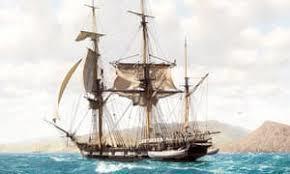
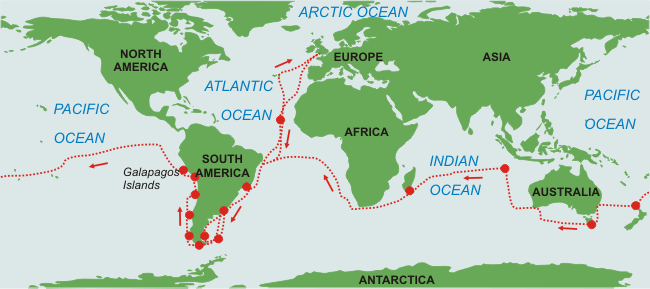
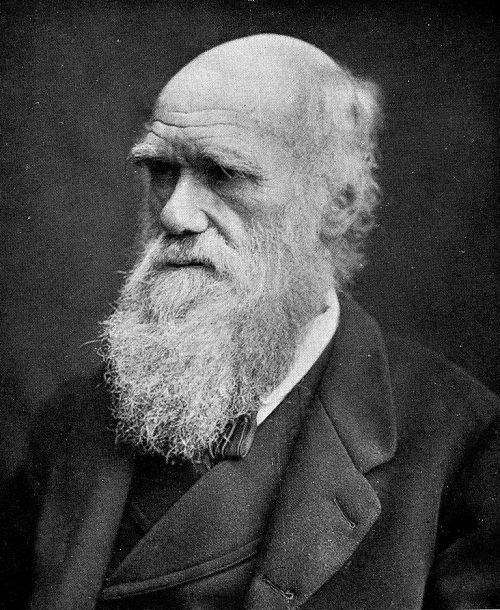
- In 1831 at the age of 21, he took a job as a naturalist on the English ship HMS Beagle, which sailed to South America and the South Pacific on a five- year scientific journey. Darwin collected biological specimens at every port along the route. The diversity among specimens made him very curious about possible relationships among species.
- Darwin in the Galapagos
Islands
Annotations:
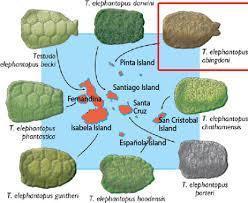
- Darwin considers the possibilities that : - Species vary locallly - Species vary globally
- Patterns of biological
diversity
- Species vary locally
- Species vary globally
- Species vary over time
- Species vary locally
- Struggle to survive
Annotations:
- Individuals compete for food, space, shelter,mates and escaping from predators. Only some of them manage to survive.
- Natural selection
Annotations:
- Mechanism of changes in populations that occurs when organisms with certain variations survive, reproduce and pass their variations to the next generation.
- Darwin on the HMS Beagle
- EVIDENCE OF EVOLUTION
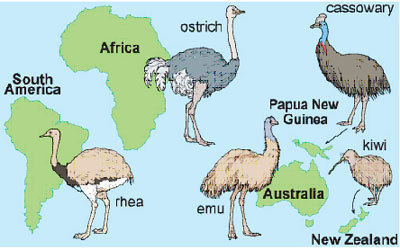
- Biogeography
- Adaptations
Annotations:
- Any variation that aids an organism´s chances to survive in its environment. Darwin´s theory of evolution explains how adaptations may develop in species.
- Structural adaptations
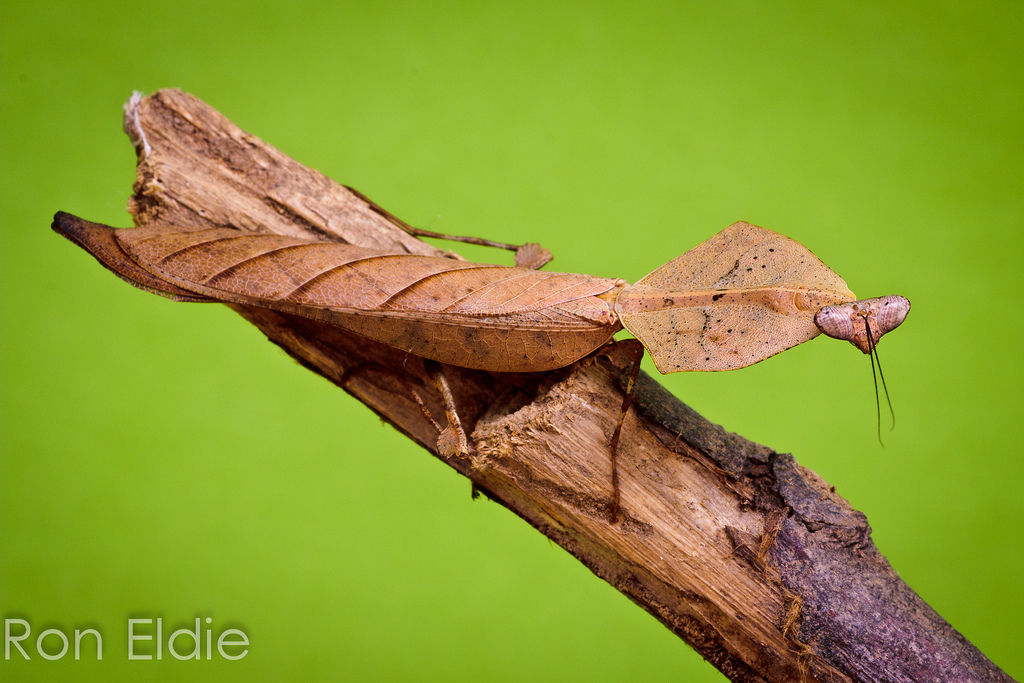
- Mimicry
- Camouflage
- Mimicry
- Physiological adaptations
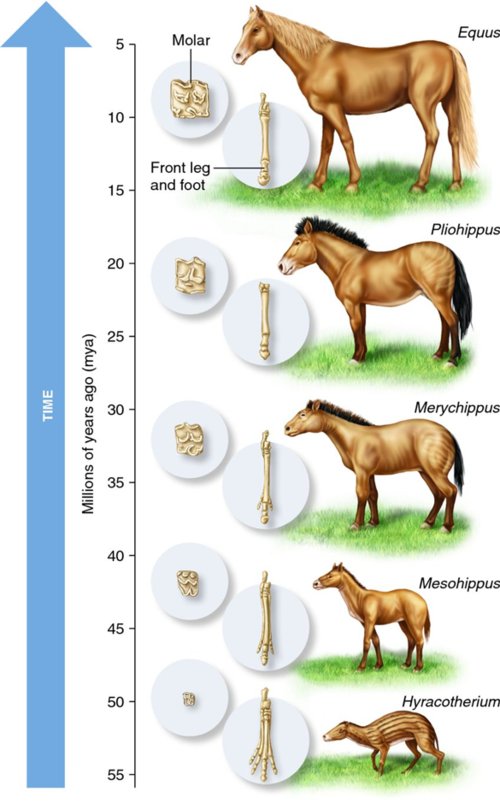
- Fossils
Annotations:
- They provide a record of early life and evolutionary history. Although fossil record provides evidence that evolution occurred, the record most of the times is incomplete. Although paleontologists do not have intermediate forms of most species, they can often understand the overall picture of how species evolved.
- Anatomy
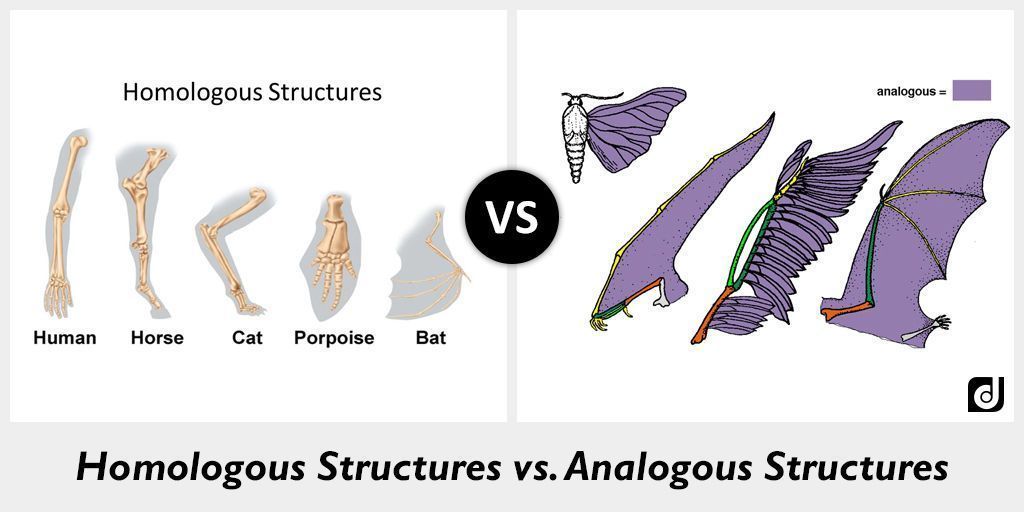
- Homologous structures
Annotations:
- Body parts of an organism that do not have a common evolutionary origin but are similar in function .
- Analogous structures
Annotations:
- Structural features with a common evolutionary origin that can be similar in arrangement, function or both.
- Vestigial structures
Annotations:
- Body structures that have no function in a present- day organism but was probably useful to an ancestor. Example : Wings presence in flightless birds as the penguin.
- Homologous structures
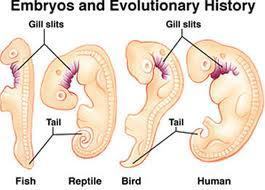
- Embriology
Annotations:
- An embryo is the earliest stage of growth and development of both plant and animals The similarities among the young embryos of a fish, reptile, bird and mammalsuggest evolution from a common ancestor.
- Biochemistry
- Biogeography
- Lamark´s ideas before Darwin
Annotations:
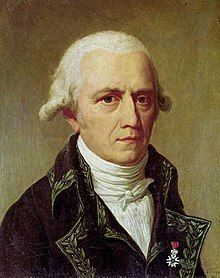
- French biologist jean Baptiste de Lamarck (1744 – 1829) proposed on 1809 a different mechanism for evolutionary change
- 1. The more an organism uses a part of its body, the more that part develops
- 2. The physical characteristics that an orrganism develops in this way, can be passed to offspring
Media attachments
Want to create your own Mind Maps for free with GoConqr? Learn more.