
20470571
Description

Mind Map by VERO COLLAGUAZO, updated more than 1 year ago

|
Created by VERO COLLAGUAZO
about 6 years ago
|
|
Truth Table Mathematics Logic
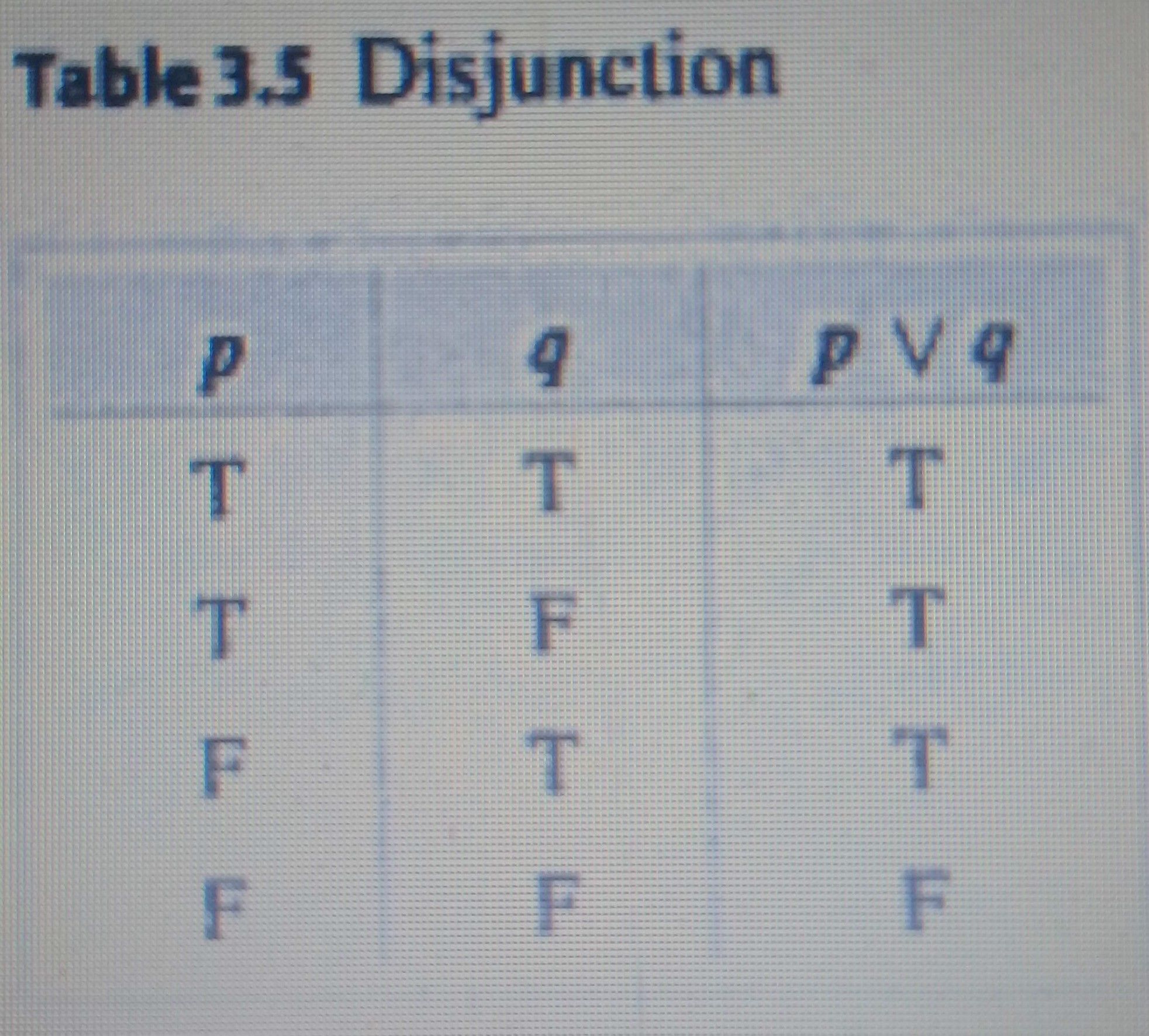
- Disjunction
- The statement in symbolic form is
p ⋁q , is false omly when p and q
are both false.
- The statement in symbolic form is
p ⋁q , is false omly when p and q
are both false.
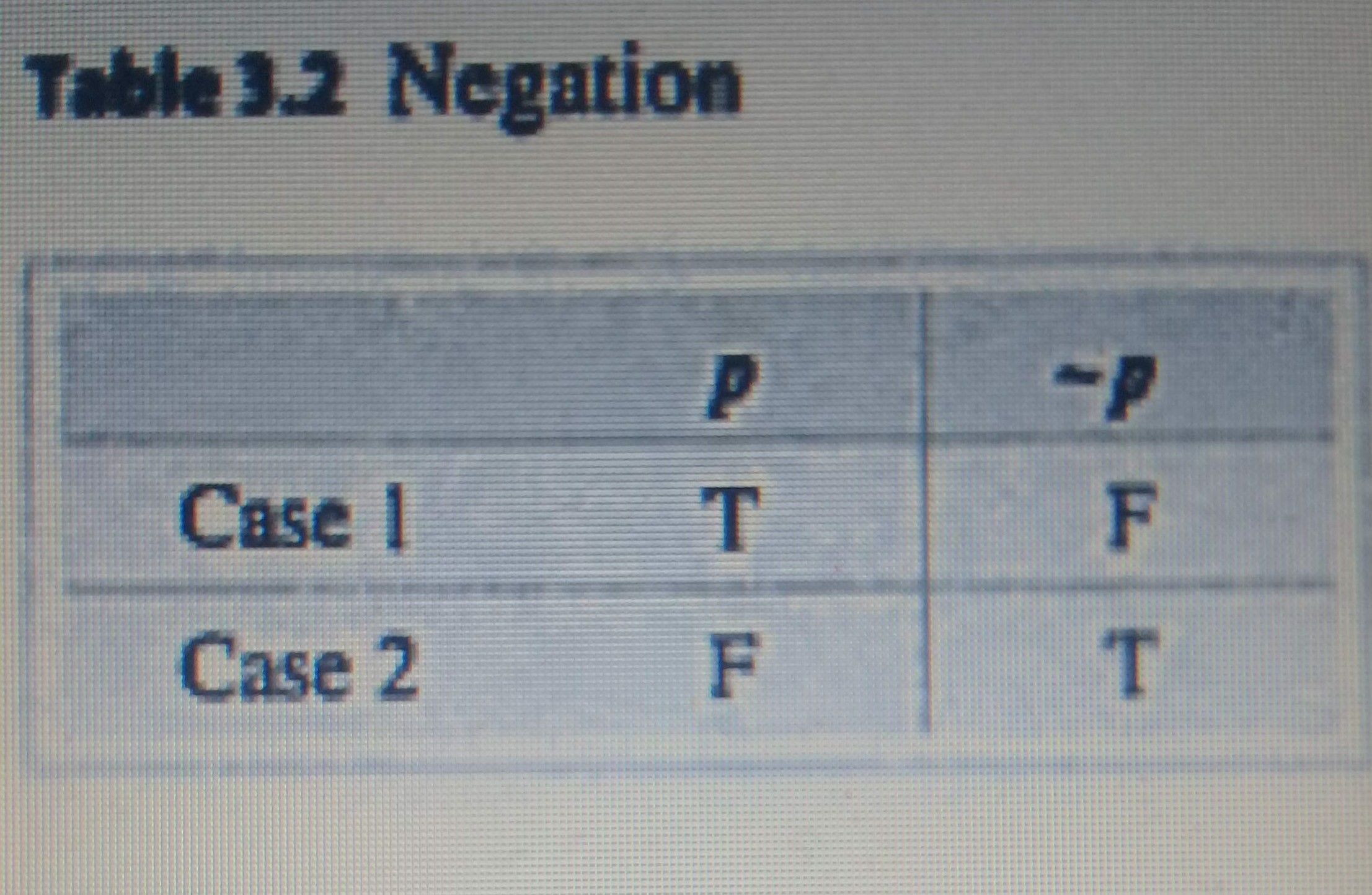
- Negation
- The first truth is for negation .If p is a true
statement ,then the negation of p."not p". is a
false statement .If p is a false statement ,then "not
p" is a true statement .
- The first truth is for negation .If p is a true
statement ,then the negation of p."not p". is a
false statement .If p is a false statement ,then "not
p" is a true statement .
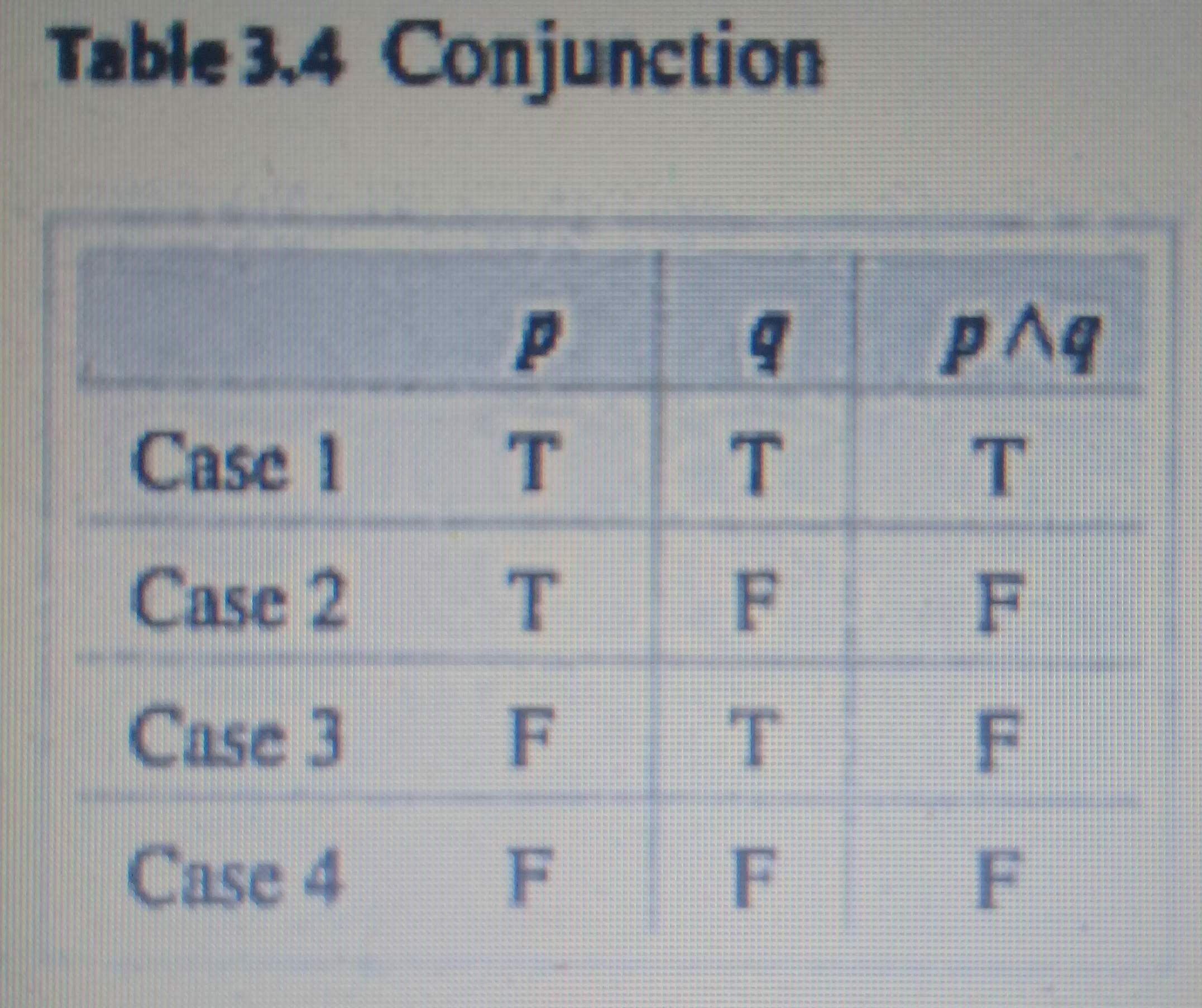
- Conjunction
- The statement in symbolic form is p⋀q ,
is true only when both p and q are true.
- The statement in symbolic form is p⋀q ,
is true only when both p and q are true.
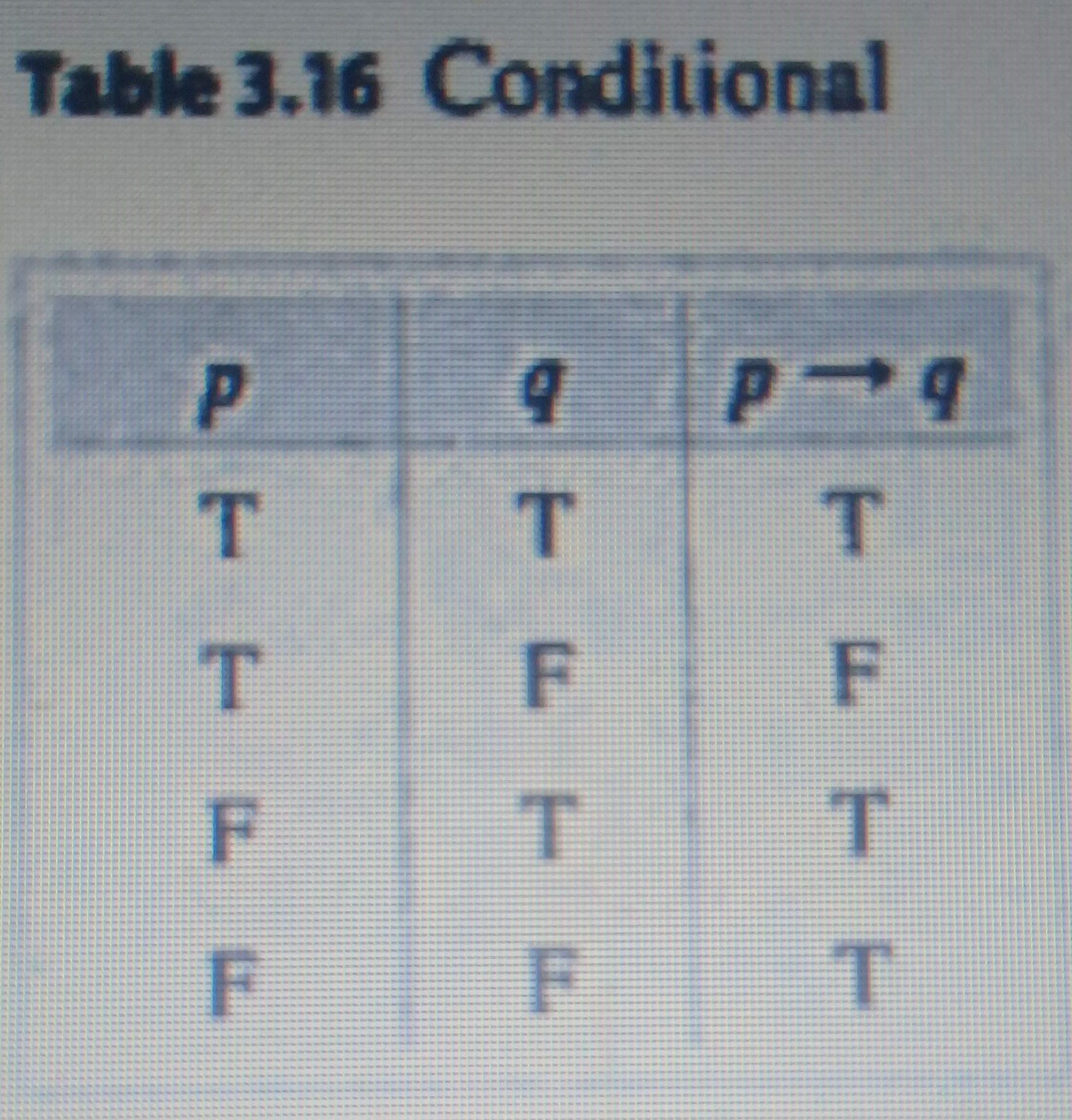
- Conditional
- The conditional statement p→q is
true in every case except when p is
a true statement and q is a false
statement.
- The conditional statement p→q is
true in every case except when p is
a true statement and q is a false
statement.
- For the two simple statement ,there are
four distinct e cases. Example:
- case 1(T,T): p is true and q is true.
case2(T,F):p is true and q is false.
case3(F,T): p is false and q is true.
case4(F,F): p is false and q is false.
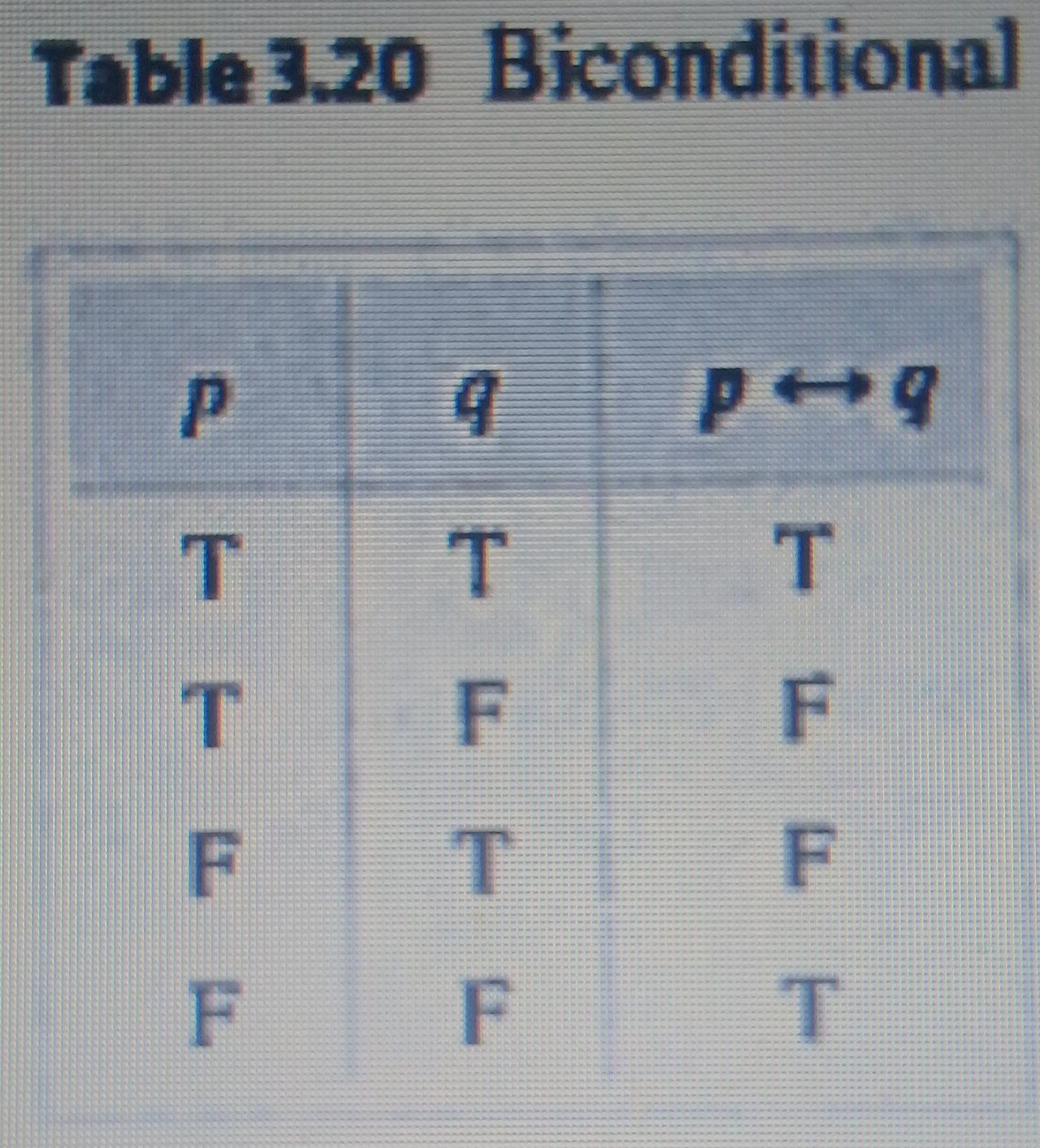
- Biconditional
- The biconditional statement p↔q is true
only when p and q have the same truth
value,that is, when both are true or both
are false.
- The biconditional statement p↔q is true
only when p and q have the same truth
value,that is, when both are true or both
are false.
Media attachments
Want to create your own Mind Maps for free with GoConqr? Learn more.