
11346434
Description


Aerospace
Annotations:
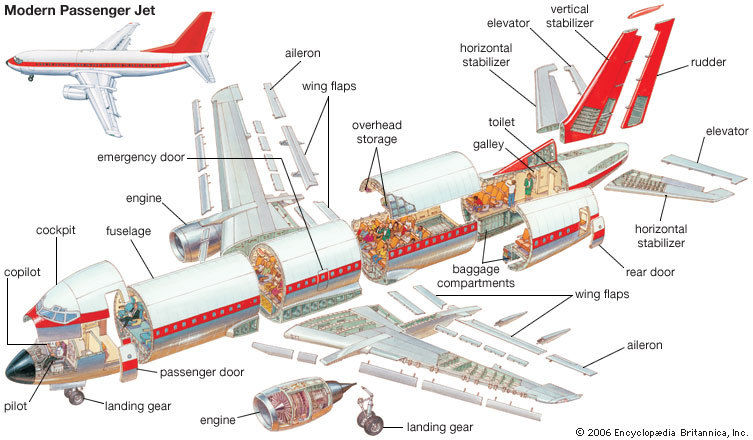
- In 2014, the commercial aerospace industry was a US$295B global industry with an estimated US$233B in production (aircraft/engine/component) and estimated US$62B in Maintenance, Repair and Overhaul (MRO).
- Aerospace
Industry
Annotations:
- One (1) of the leading producer of high-technology goods.
- Commercial
Aircraft
Industry
- Regional
Aircraft
Industry
- Business
Jets
- General
Aviation
- Regional
Aircraft
Industry
- Civilian
Aircraft
Industry
- Defense
- Aerospace in France
- Product profile
HS 8803
Annotations:
- HS codes helps exporters and importers to identify their product to use in customs department and other government and non government agencies to import or export.
- 8803 parts of balloons etc, aircraft, spacecraft etc 880310 Propellers and rotors and parts thereof 880320 Undercarriages and parts thereof 880330 Other parts of airplanes or helicopters 880390 Other
- Parts of other aircraft
- HS 88031000
Annotations:
- The HS code is based on the Harmonised System.
- It is an internationally standardized system used in trade to classify the names of products based on their numbers.
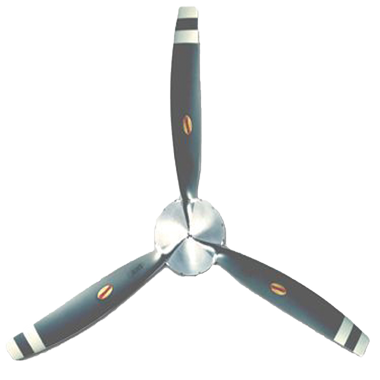
- Propeller
Annotations:
- Without the propeller an aircraft would not be able to move or even take to flight.
- The propeller converts the energy from the engine into wind power which is used to provide lift for the aircraft.
- Propeller Explained
Annotations:
- The reason propeller blades are twisted is so that they can cut or bite into the air instead of just pushing against it. Change the twist or pitch of the propeller and you can change the amount of air it pulls behind it to generate that push or thrust. http://hartzellprop.com/fundamentals-of-aircraft-propeller-design/
- Product Complexity Index value,
as of 2016, of 0.775
Annotations:
- Ranks the diversity and sophistication of the productive know-how required to produce a product. PCI is calculated based on how many other countries can produce the product and the economic complexity of those countries. In effect, PCI captures the amount and sophistication of know-how required to produce a product.
- The most complex products (that only a few, highly complex countries can produce) include sophisticated machinery, electronics and chemicals, as compared to the least complex products (that nearly all countries including the least complex can produce) including raw materials and simple agricultural products. Specialized machinery is said to be complex as it requires a range of know-how in manufacturing, including the coordination of a range of highly skilled individuals’ know-how.
- PCI measures the knowledge intensity of a product by considering the knowledge intensity of its exporters.
- Economic Complexity
Annotations:
- A measure of the knowledge in a society as expressed in the products it makes. The economic complexity of a country is calculated based on the diversity of exports a country produces and their ubiquity, or the number of the countries able to produce them (and those countries’ complexity).
- Countries that are able to sustain a diverse range of productive know-how, including sophisticated, unique know-how, are found to be able to produce a wide diversity of goods, including complex products that few other countries can make.
- ECI measures the knowledge intensity of an economy by considering the knowledge intensity of the products it exports.
- Observer
- Rank 243
Report Year
Range 2011 -
2016
Annotations:
- https://atlas.media.mit.edu/en/rankings/product/sitc/?year_range=2011-2016
- Rank 243
Report Year
Range 2011 -
2016
- Atlas
Annotations:
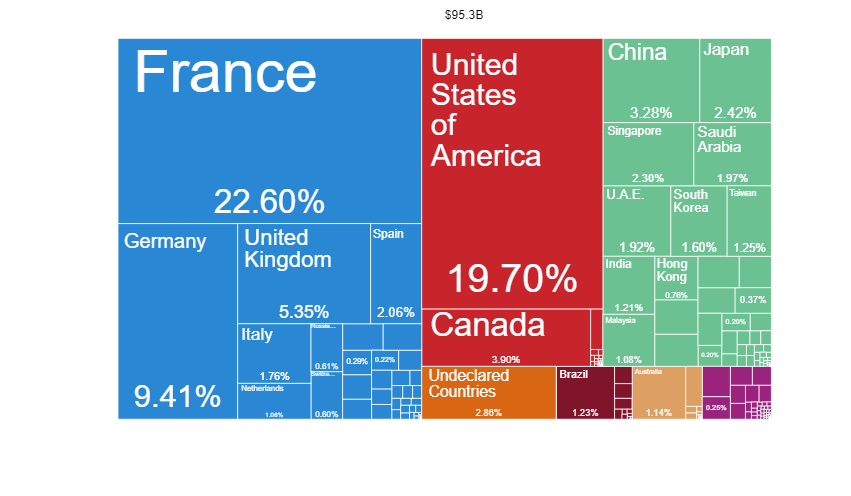
- $95.3B / $95.3B http://atlas.cid.harvard.edu/rankings/product/?product=8803
- Rank as of 2016 289 with a Global Market size of US$95.3 Billion
- HS 88031000
Media attachments
Want to create your own Mind Maps for free with GoConqr? Learn more.