
1153801
Description

Mind Map by Kristi Brogden, updated more than 1 year ago

|
Created by Kristi Brogden
over 11 years ago
|
|
Protein interactions (and analysis)
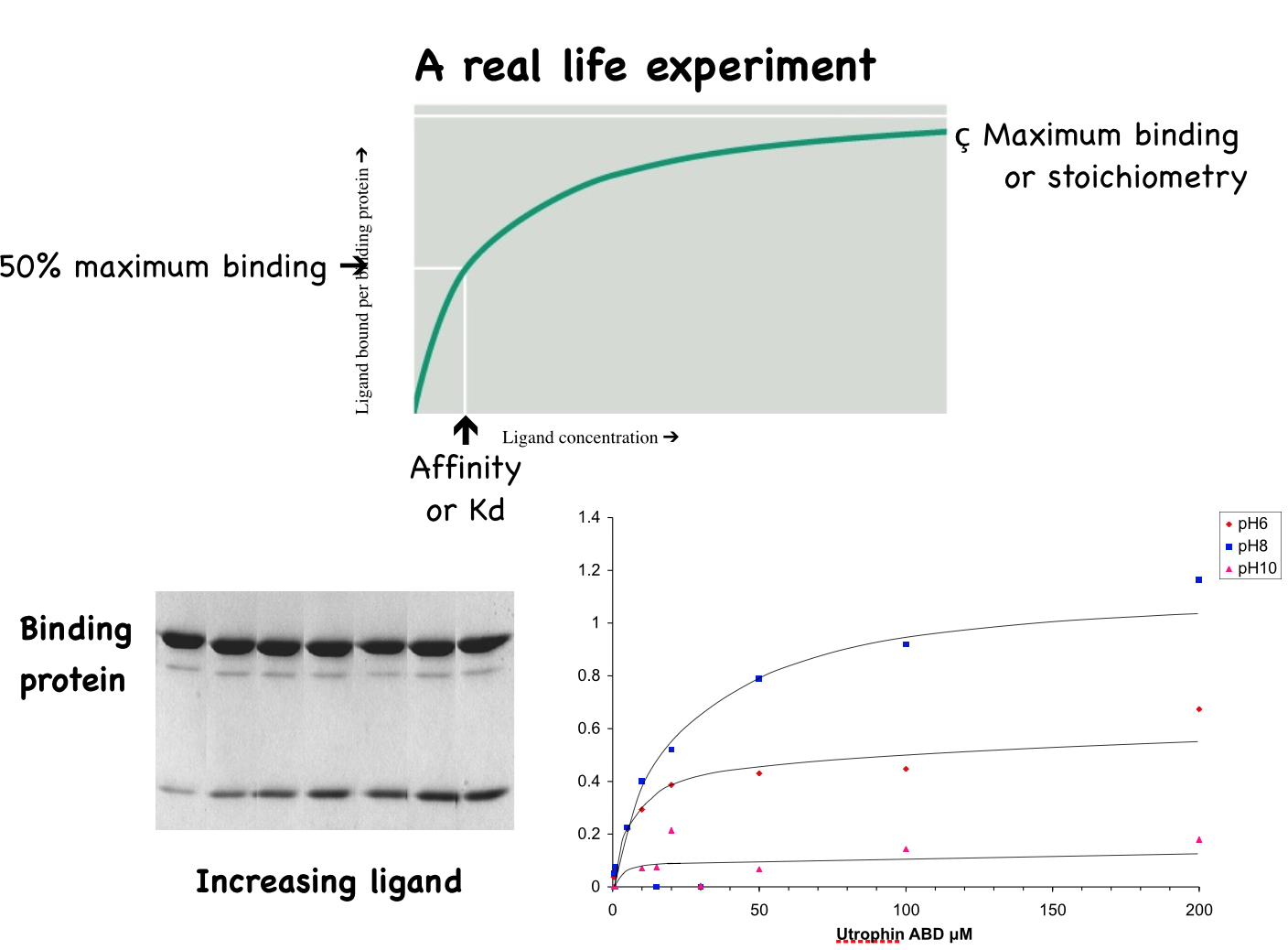
- Measuring the strength of protein interactions
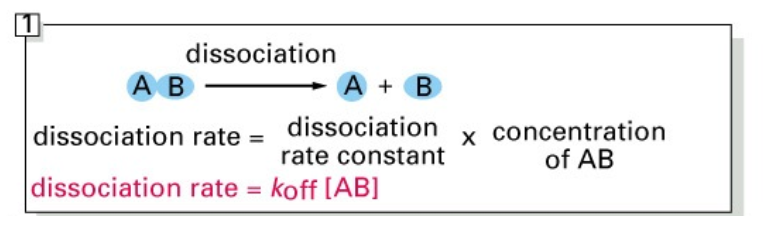
- Theory
- Typical applications
- Can be used to measure any protein-protein
interaction in solution or on a surface providing
you have a suitable detection system
- PAGE (Poly-acrylamide Gel Electrophoresis)
- Western Blot
- Far western or blot overlay
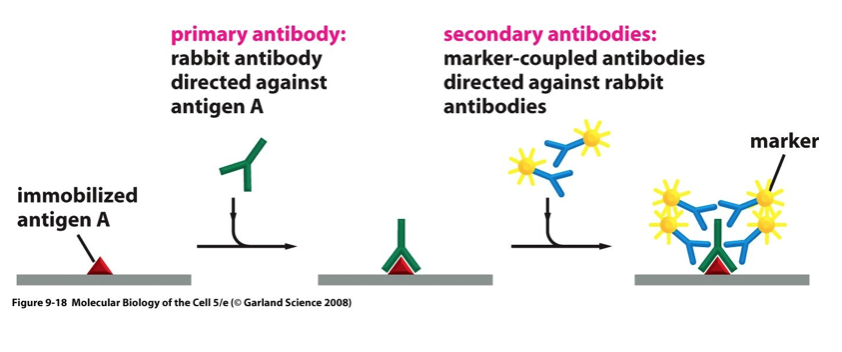
- ELISA (Enzyme-Linked Immunosorbent Assay
- PAGE (Poly-acrylamide Gel Electrophoresis)
- Can be used to measure any protein-protein
interaction in solution or on a surface providing
you have a suitable detection system
- Theory
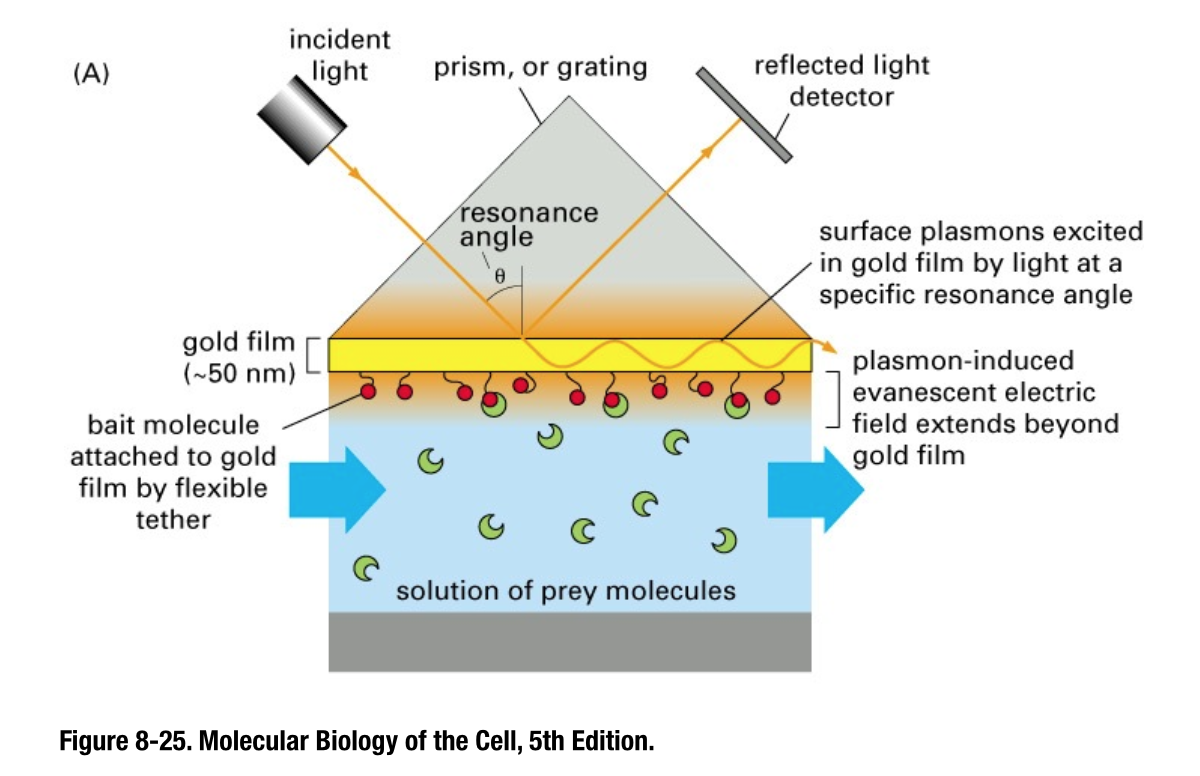
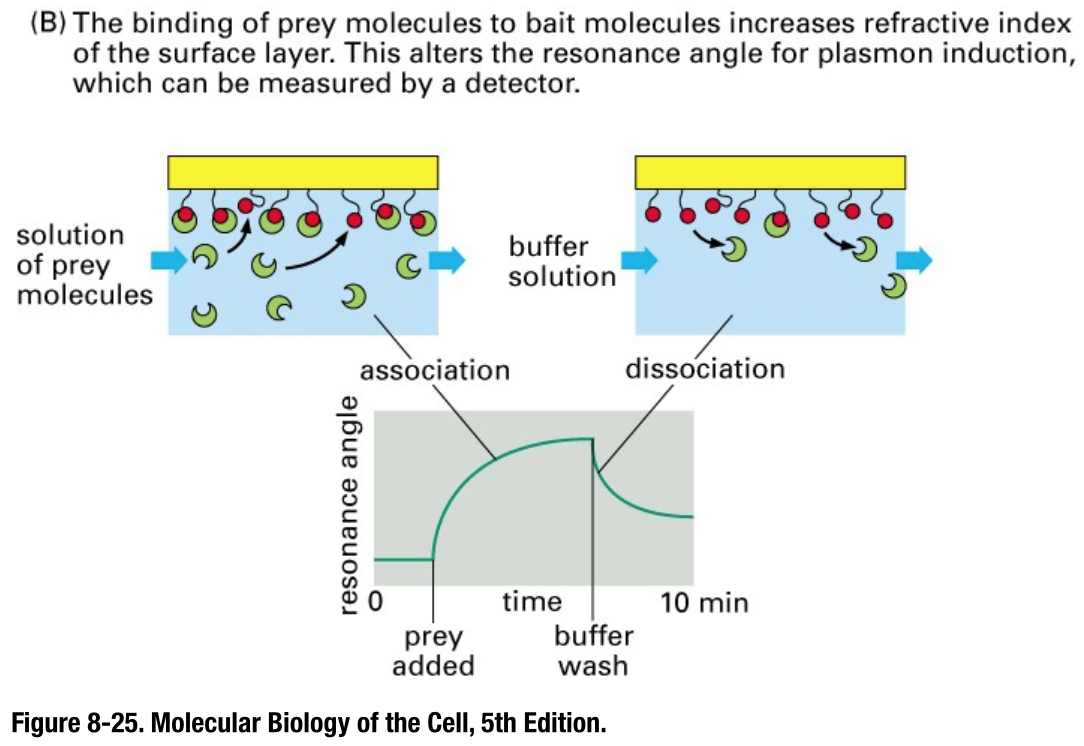
- Surface plasmon resonance
- aka ‘Biacore’
- The Kd of a given protein-protein interaction
can be read directly from traces like these
- however one limitation is the attachment of
proteins to a solid support which may cause
conformational change and affect the result
- however one limitation is the attachment of
proteins to a solid support which may cause
conformational change and affect the result
- aka ‘Biacore’
- Genetic methods of identifying protein interactions
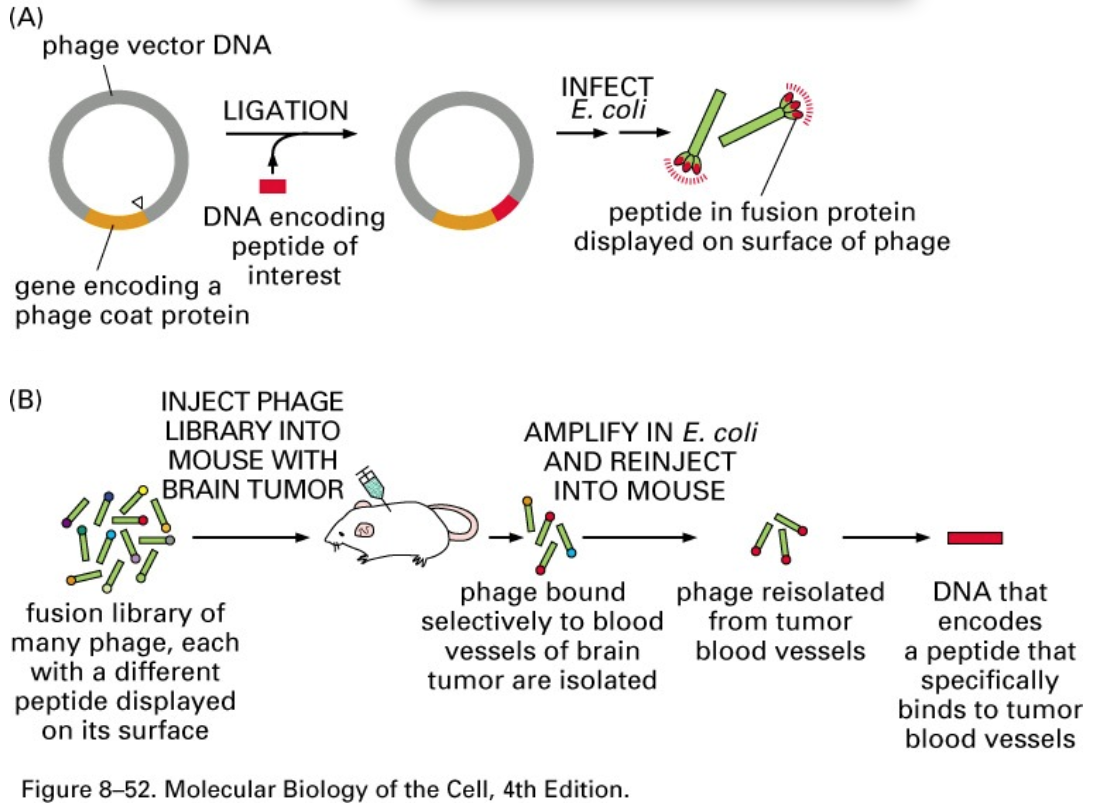
- Phage display libraries
- Use of random peptide libraries is a powerful technique with many applications
- Identification of specific epitopes as drug or antibody
targets, mapping of protein-protein binding interfaces,
generation of artificial antibodies, epitope mapping of
antibodies to identify important binding sites etc.
- Identification of specific epitopes as drug or antibody
targets, mapping of protein-protein binding interfaces,
generation of artificial antibodies, epitope mapping of
antibodies to identify important binding sites etc.
- Use of random peptide libraries is a powerful technique with many applications
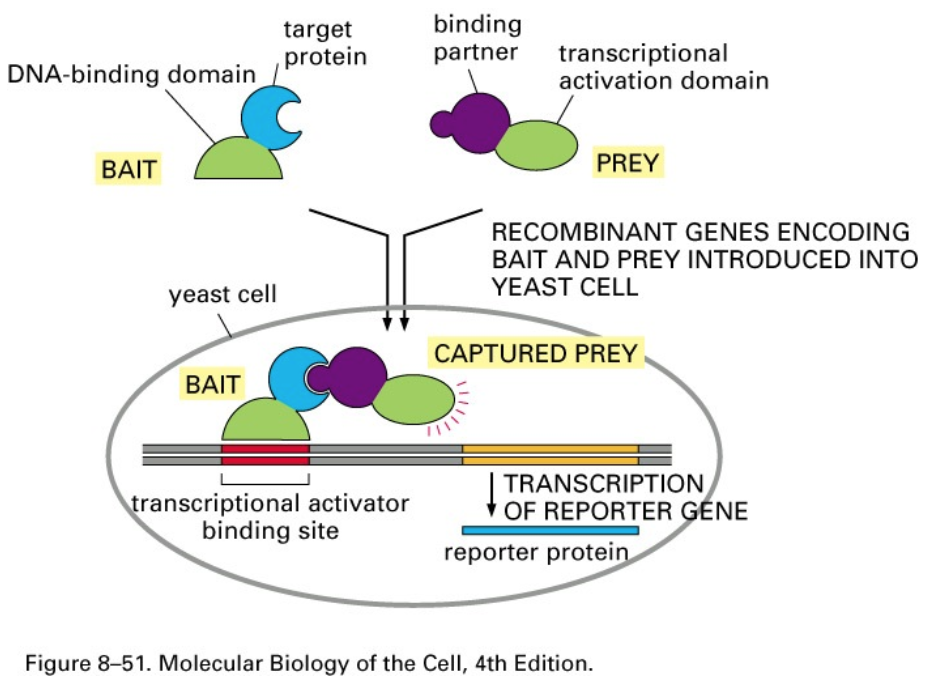
- Yeast two-hybrid screening
- Bait protein cDNA cloned into bait
plasmid in the host yeast strain.
- Prey usually a whole library of cDNA’s
transfected with the bait plasmid.
- Interaction between bait and prey allows DNA binding
and activation domains to activate a reporter gene.
- Yeast colony survives on a restrictive growth media.
- Prey plasmid recovered and sequenced to find interacting protein.
- Prey plasmid recovered and sequenced to find interacting protein.
- Yeast colony survives on a restrictive growth media.
- Interaction between bait and prey allows DNA binding
and activation domains to activate a reporter gene.
- Prey usually a whole library of cDNA’s
transfected with the bait plasmid.
- Bait protein cDNA cloned into bait
plasmid in the host yeast strain.
- Phage display libraries
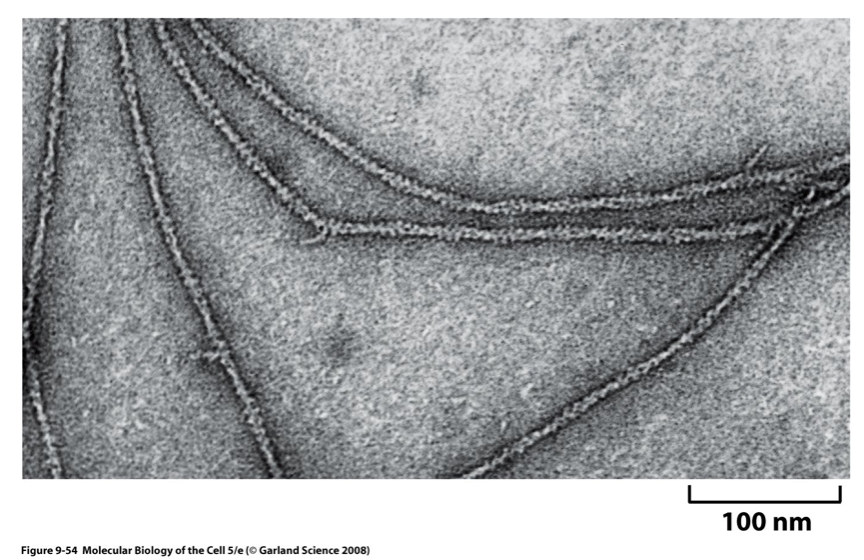
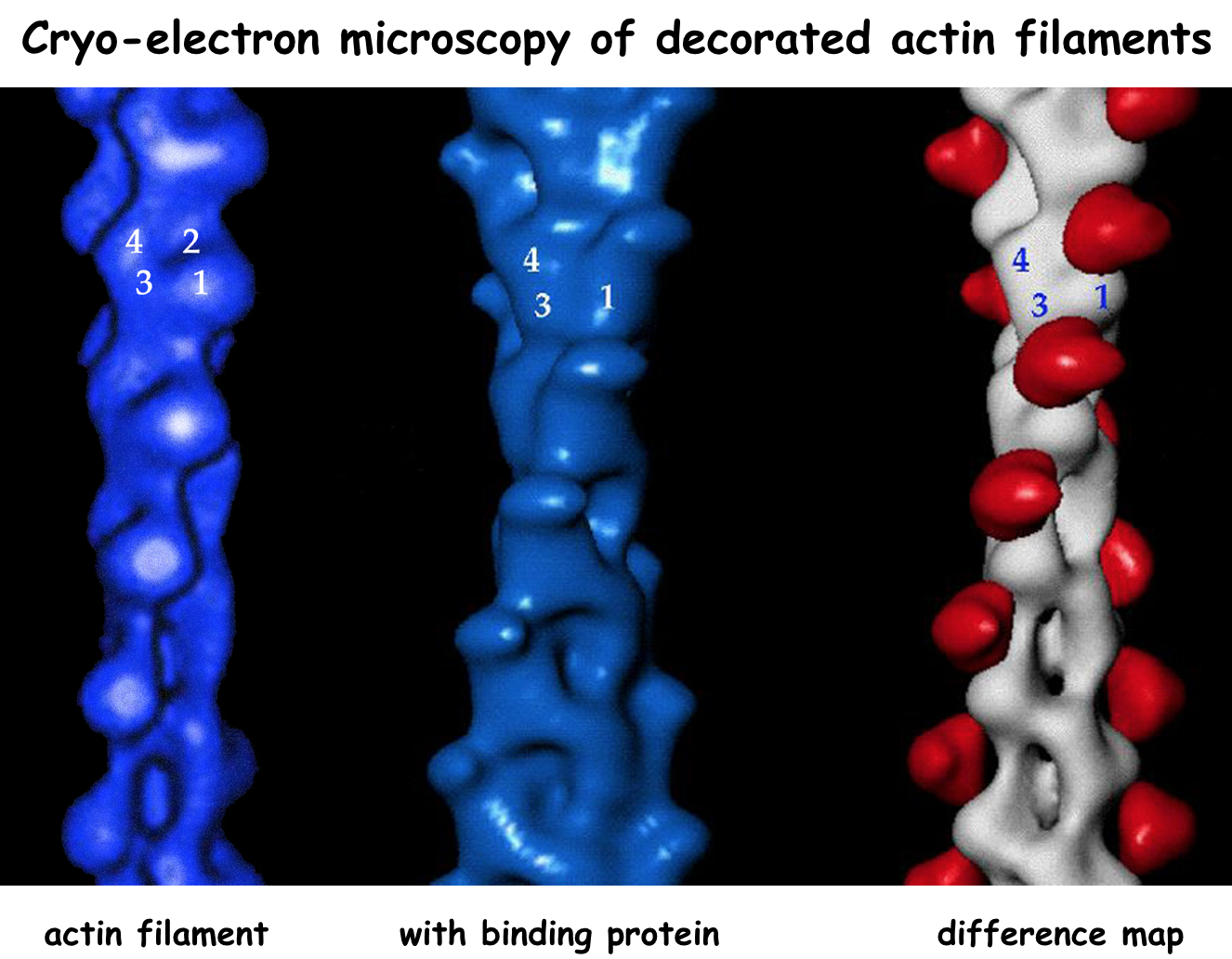
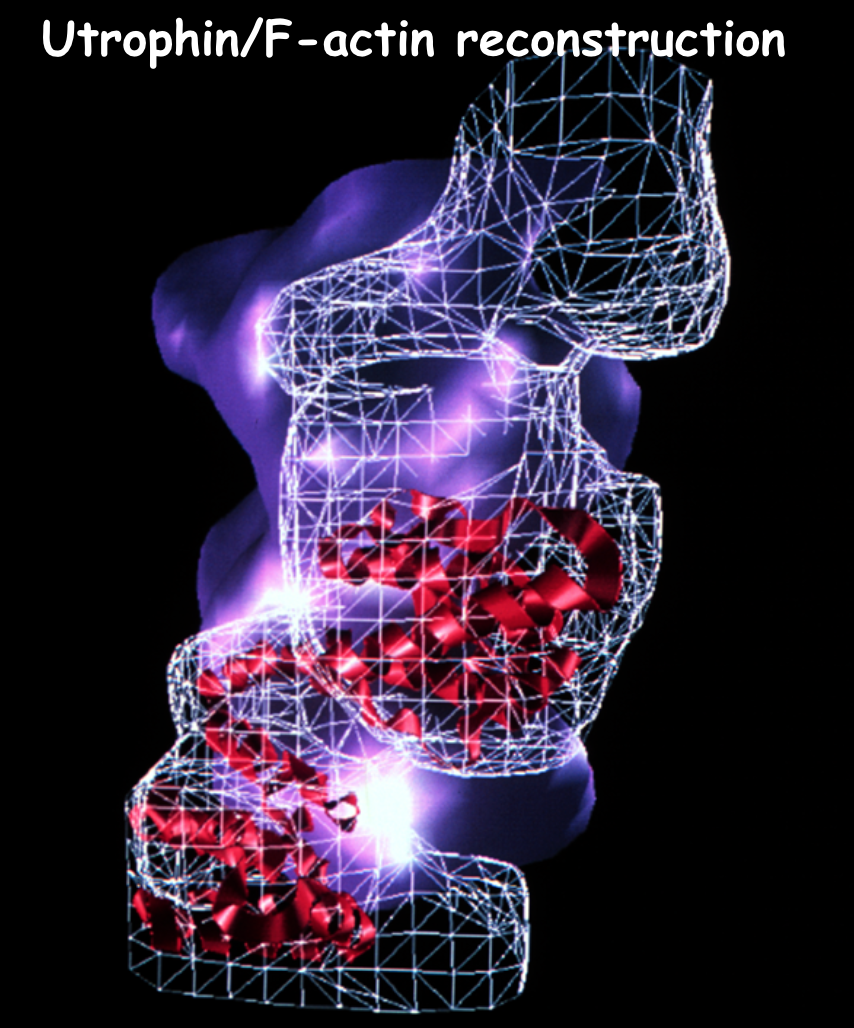
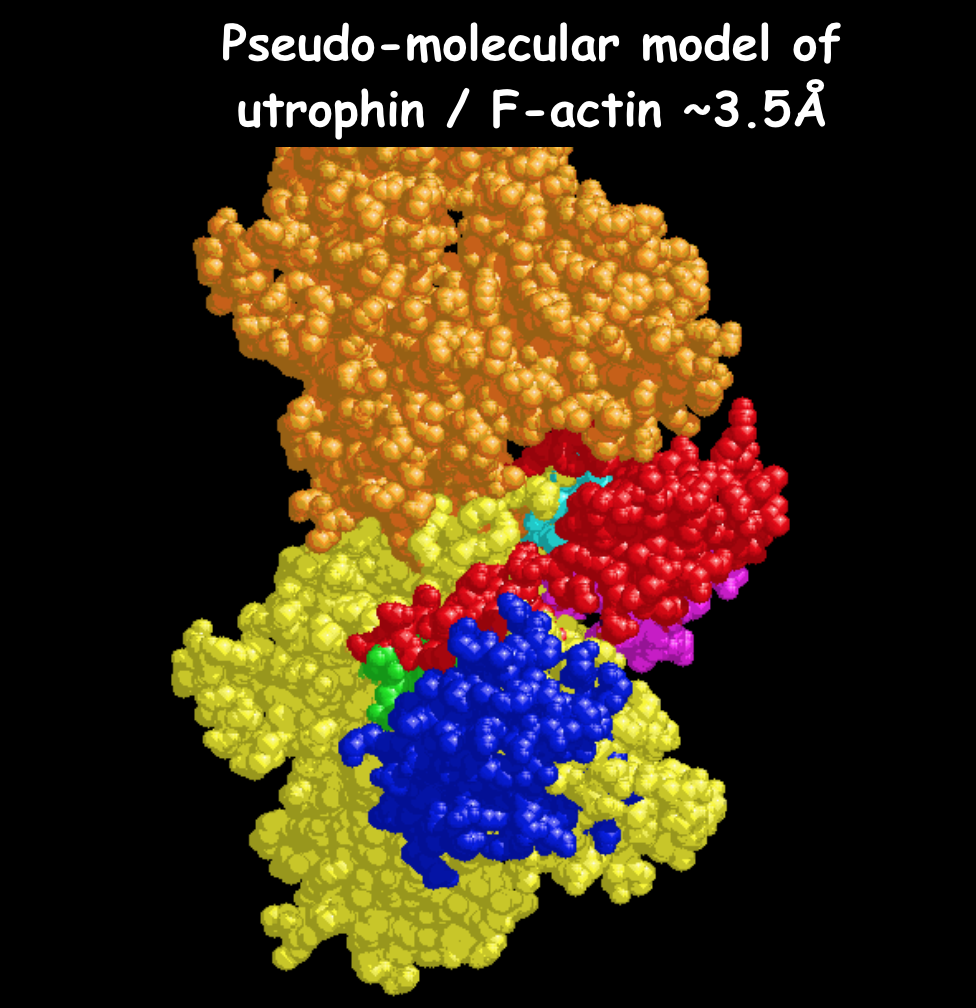
- Electron Microscopy II - actin
- EM of actin filaments with a binding protein attached.
- EM uses negative stain (shown) or vitreous ice (cryo-EM) to preserve the specimen.
- Image analysis is then employed to build up an average structure.
- Image analysis is then employed to build up an average structure.
- EM uses negative stain (shown) or vitreous ice (cryo-EM) to preserve the specimen.
- EM of actin filaments with a binding protein attached.
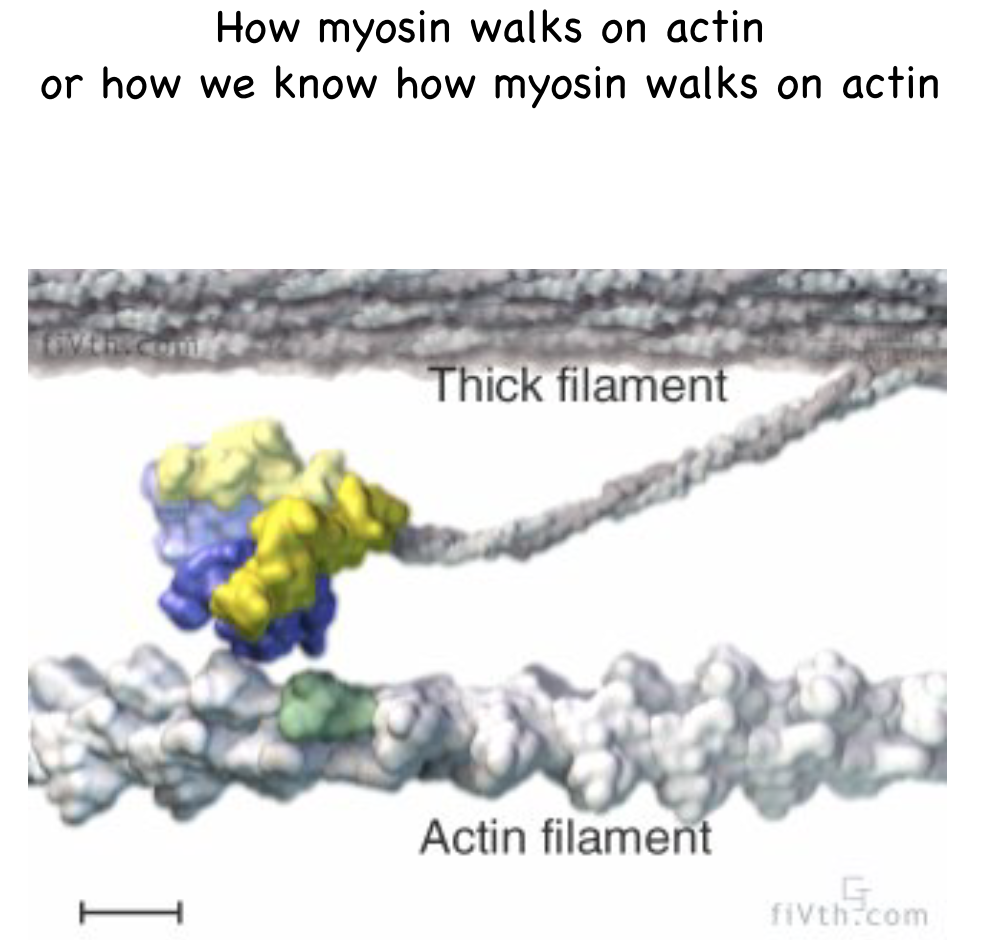
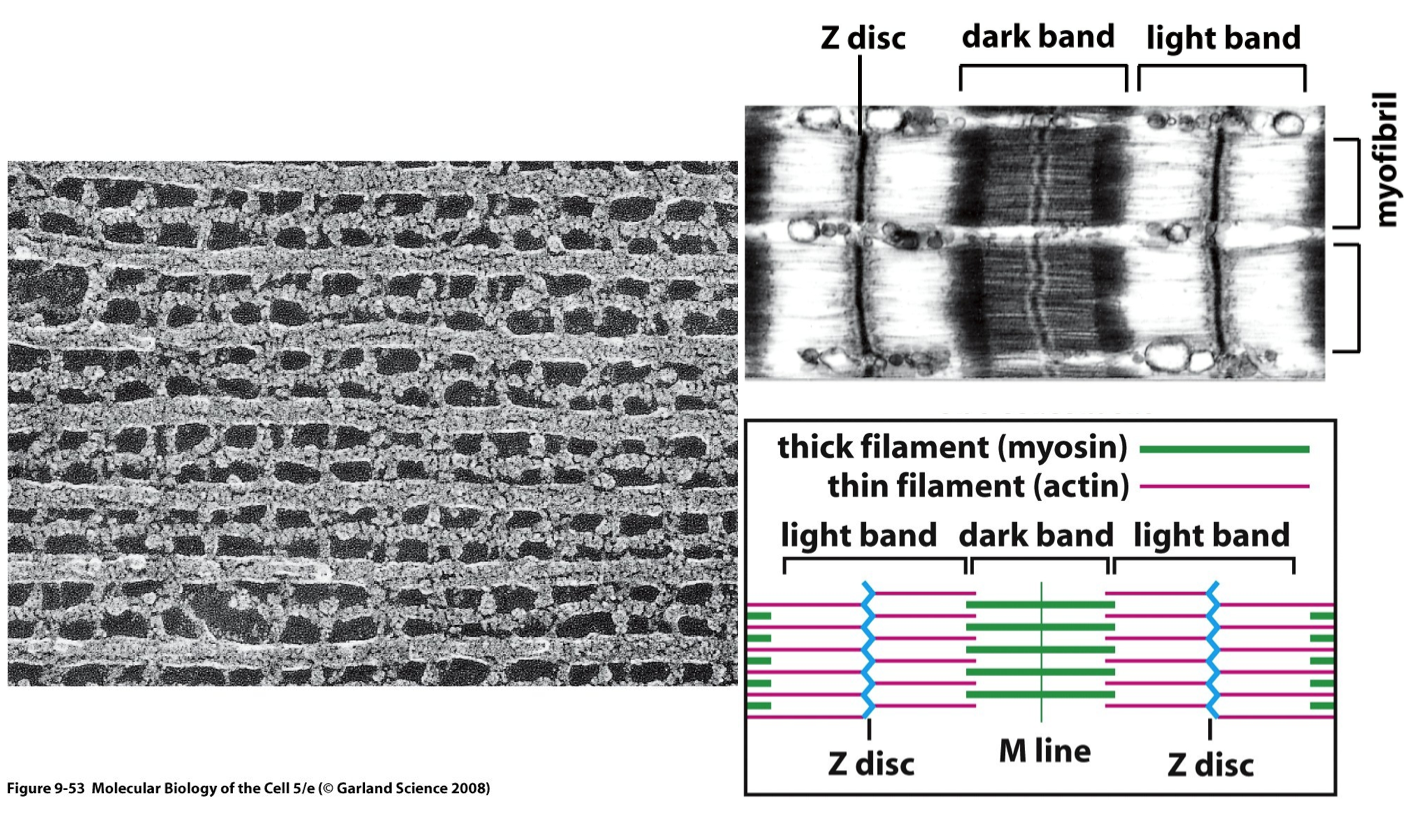
- A protein machine of the cell - actomyosin
- Muscle ultrastructure
- Muscle ultrastructure
Media attachments
Want to create your own Mind Maps for free with GoConqr? Learn more.