Mind map
Types of Documentaries
Map content
Types of Documentaries
Fully Narrated
- Voice overs are used to convey the exposition of the documentary.
- Direct Address is used to help viewers understand the exposition and visuals
- The voice over is authoritative which creates the reference of the 'Voice of God'
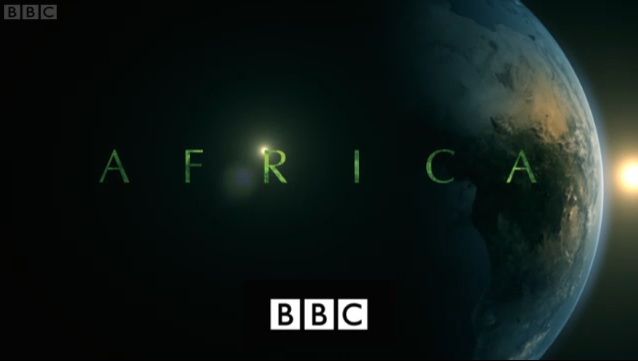
- An example of this type of documentary is David Attenborough's Africa.
Fly on the Wall
- 'Observational'
- First used in 1960s with lightweight cameras to catch the action taking place.
- Sometimes a voice over is used but it is often avoided to create the effect of realism.
- The documentary is unstaged meaning that the film makers don't know the outcome. This lets the audience come up with a conclusion by themselves
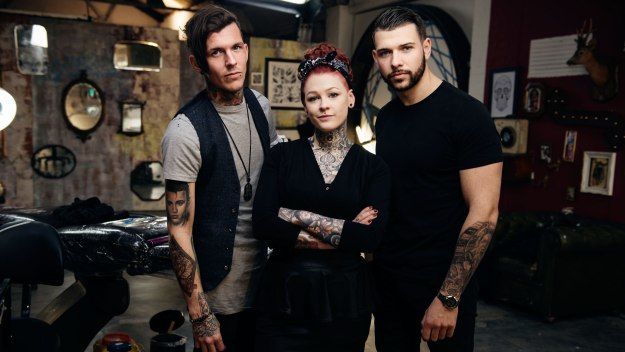
- An example of this documentary is Channel 4's Tattoo Fixers.
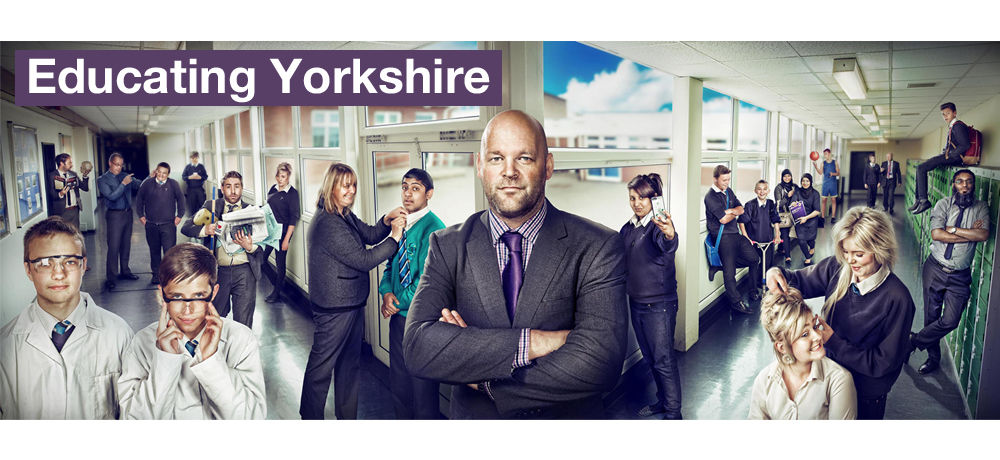
- An example of this type of documentary is Channel 4's Educating Yorkshire.
- 'Observational'
Mixed
- This is a combonation of interviews, observation and narration
- Within a mixed documentary, as the journalist talks, visuals continue over the screen
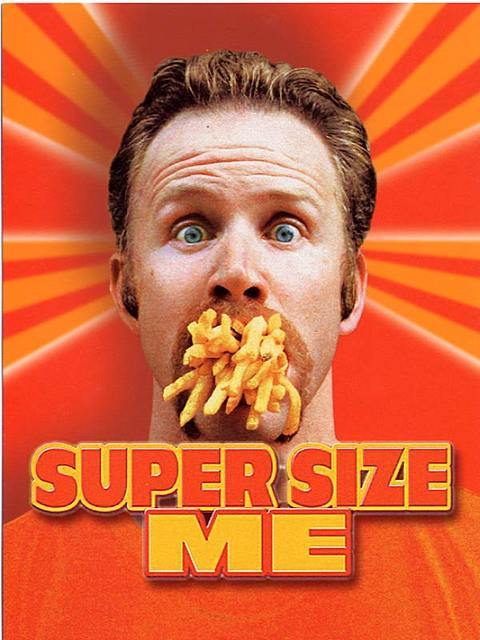
- An example of this type of documentary is Supersize Me.
Self Reflexive
- The subjects of the documentary acknowledges the camera and speaks to the film maker thus creating a sense of reality
- However, it has been judged as confusing for some audience making it less popular
- An example of this documentary is BBC's Louis Theroux's Weird Weekends.
Docu-drama
- Re-enactments are used to create a better sense of what happened at historical events
- An example of this documentary is United 93.
Docu-Soap
- This entails follows someone's life wherever they go so you get to know the characters of the documentary
- It can be argued that it isn't really a documentary
- An example of this documentary is E4's Tattoo Fixers.