
Description


|
Created by Colleen Gravel
about 11 years ago
|
|
Page 1
Although children had been servants and apprentices throughout most of human history, child labor reached new extremes during the Industrial Revolution. Children often worked long hours in dangerous factory conditions for very little money. Children were useful as laborers because their size allowed them to move in small spaces in factories or mines where adults couldn’t fit, children were easier to manage and control and perhaps most importantly, children could be paid less than adults. Child laborers often worked to help support their families, but were forced to forgo an education. Nineteenth century reformers and labor organizers sought to restrict child labor and improve working conditions, but it took a market crash to finally sway public opinion. During the Great Depression, Americans wanted all available jobs to go to adults rather than children
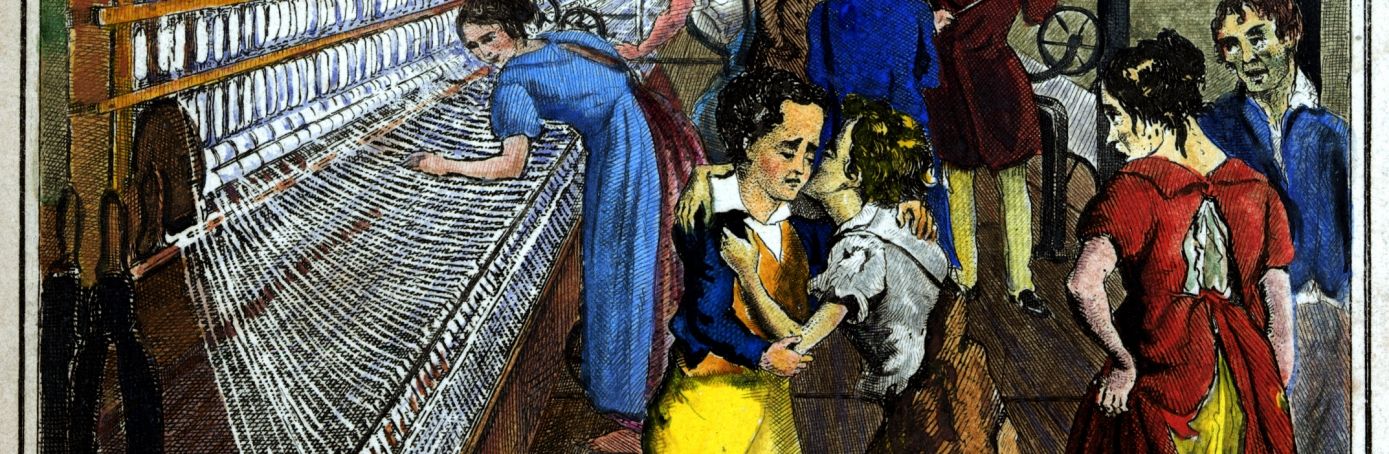
http://www.history.com/topics/child-labor
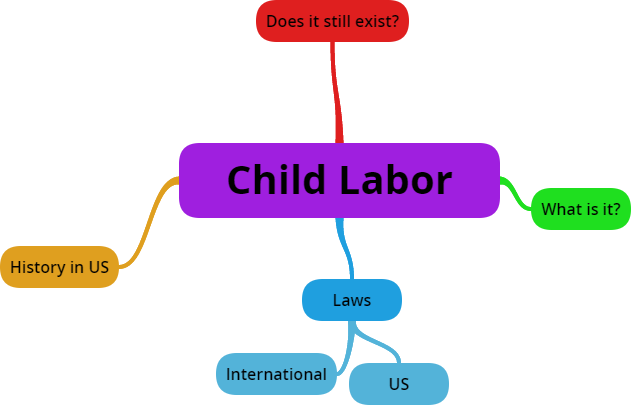
US Federal LawsInclude specifications for:Hours Ages Hazardous and non- hazardous job Pay https://www.continuetolearn.uiowa.edu/laborctr/child_labor/about/us_laws.html
What is it?Characteristics Violates a nation’s minimum age laws Threatens children’s physical, mental, or emotional well-being Involves intolerable abuse, such as child slavery, child trafficking, debt bondage, forced labor, or illicit activities Prevents children from going to school Uses children to undermine labor standards https://www.continuetolearn.uiowa.edu/laborctr/child_labor/about/what_is_child_labor.html
Laws
Then and Now
New Page
Want to create your own Notes for free with GoConqr? Learn more.