
Description


|
Created by Beckie Thorne
over 10 years ago
|
|
Page 1
What is Development Biology?It is the study of how an egg becomes an adult including: From egg to birth (embryogenesis) Birth to adulthood Normal developmental processess in the adult such as Hematopoiesis Stem cell biology(adult and embryonic) in cancer and regeneration Why Study it? How cell become arranged into tissue and organs to generate 3D body. How genotypes translate into phenotypes How developmental errors result in pathology How tissue regenerate/fail to after injury How development has been modified during evolution and how it constrains evolution.
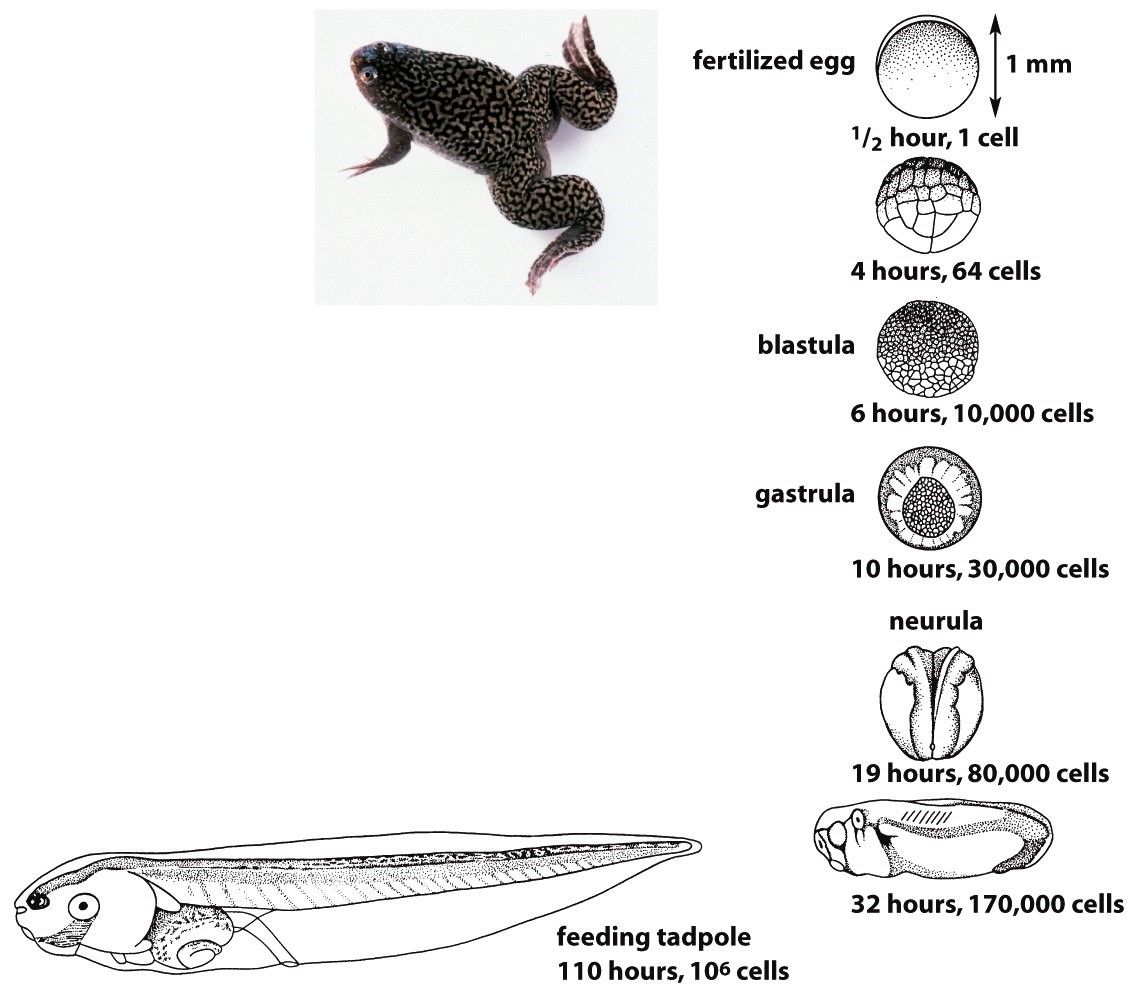
The xenopus (frog egg) is externally fertilized and had large eggs which makes it easy to study in a lab.In humans gestation takes 9 months but the basic body plan is put into place in just 4 weeks, this makes development much easier
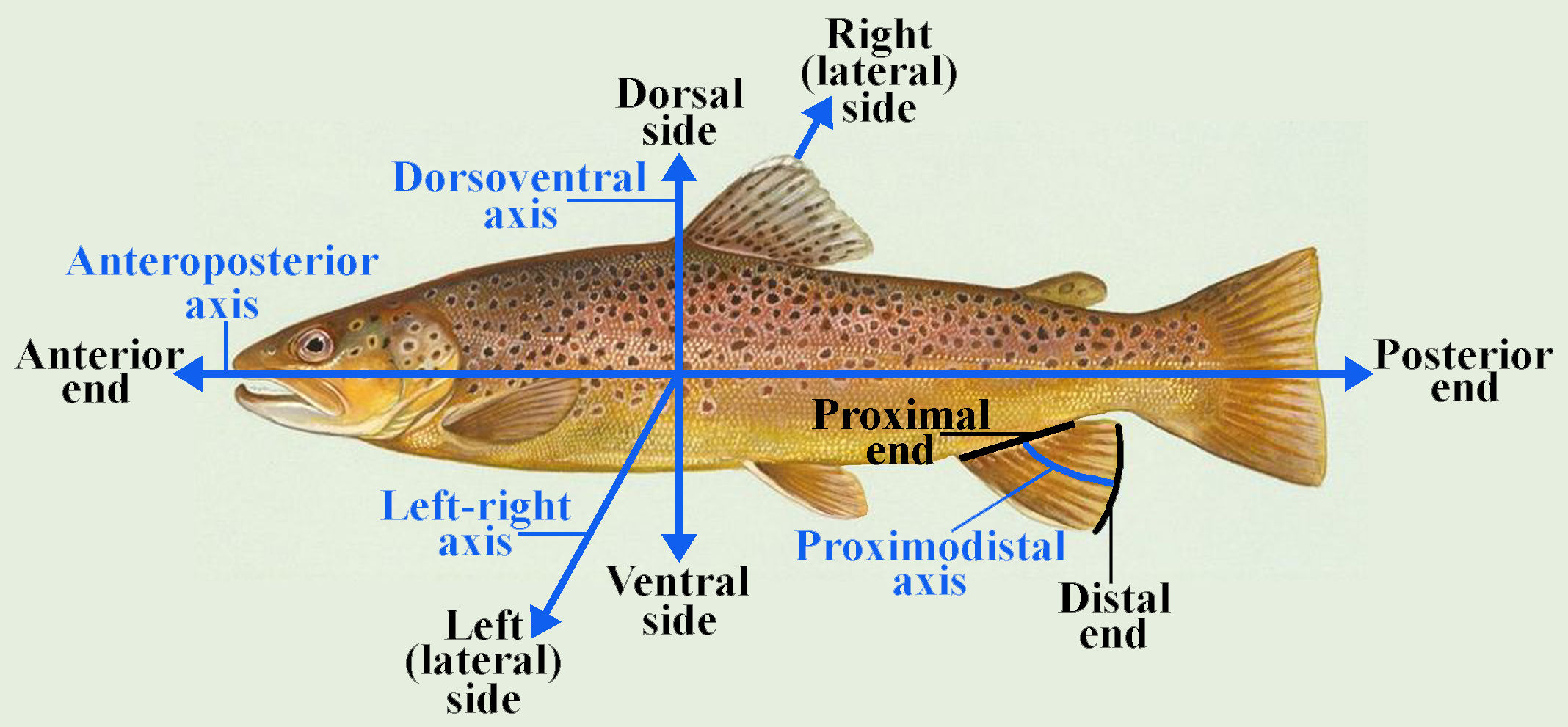
Regional Specification This is a core problem of early development: how different regions of the embryo become switched onto different pathways of developmentFertilized egg can become: Ectoderm: neurons and skin Mesoderm: Dorsal: skeleton and muscle OR Ventral: heart and blood Endoderm: Gut, liver and lungs
Key Processes in development: REGIONAL SPECIFICATION DIFFERENTIATION: how are cell type generated? MORPHOGENISIS: How do cells organise themselves correctly? PATTERN FORMATION: how do cells form well ordered structures? GROWTH: how do cells know how many times to divide?
Haploid gametes and fertilization Germ cells are set aside early in development to avoid mutations Eggs are large in humans ~100micrometres in diameter Fertilized egg is totipotent (can become any cell in the body) Eggs have vesicles called cortical granule The zona pllucida provides species specificity Many sperm can bind to a human egg but only one can fertilise it Fertilization The sperm binds to the zona pellucida causing acrosome reaction Acrosome contents is released breaking down the zona pellucida to prevent more sperm binding, Sperm penetrates and fuses with the plasma membrane and releases its contents intothe egg cytoplasm
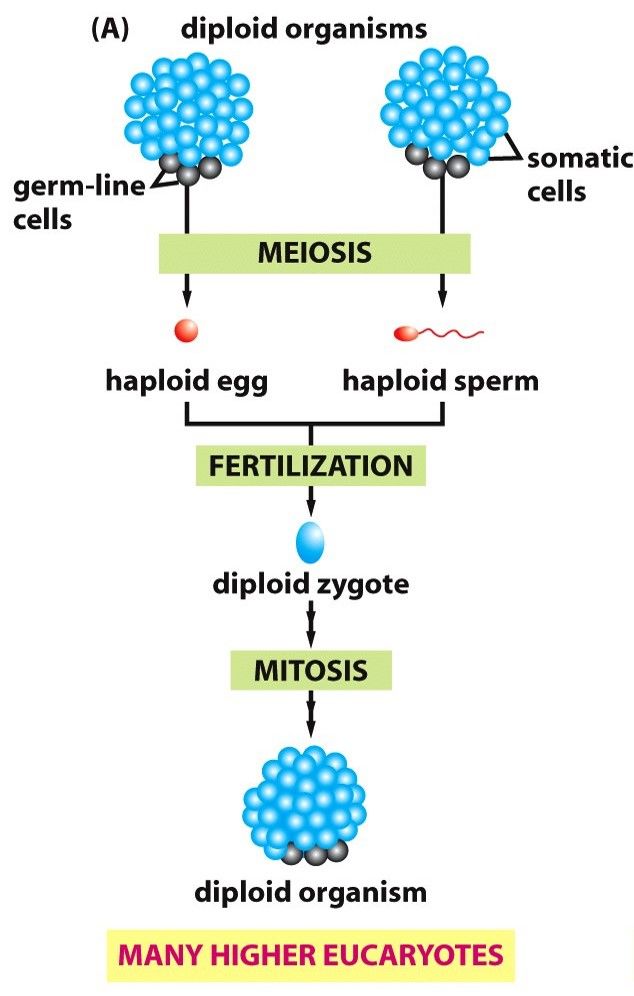
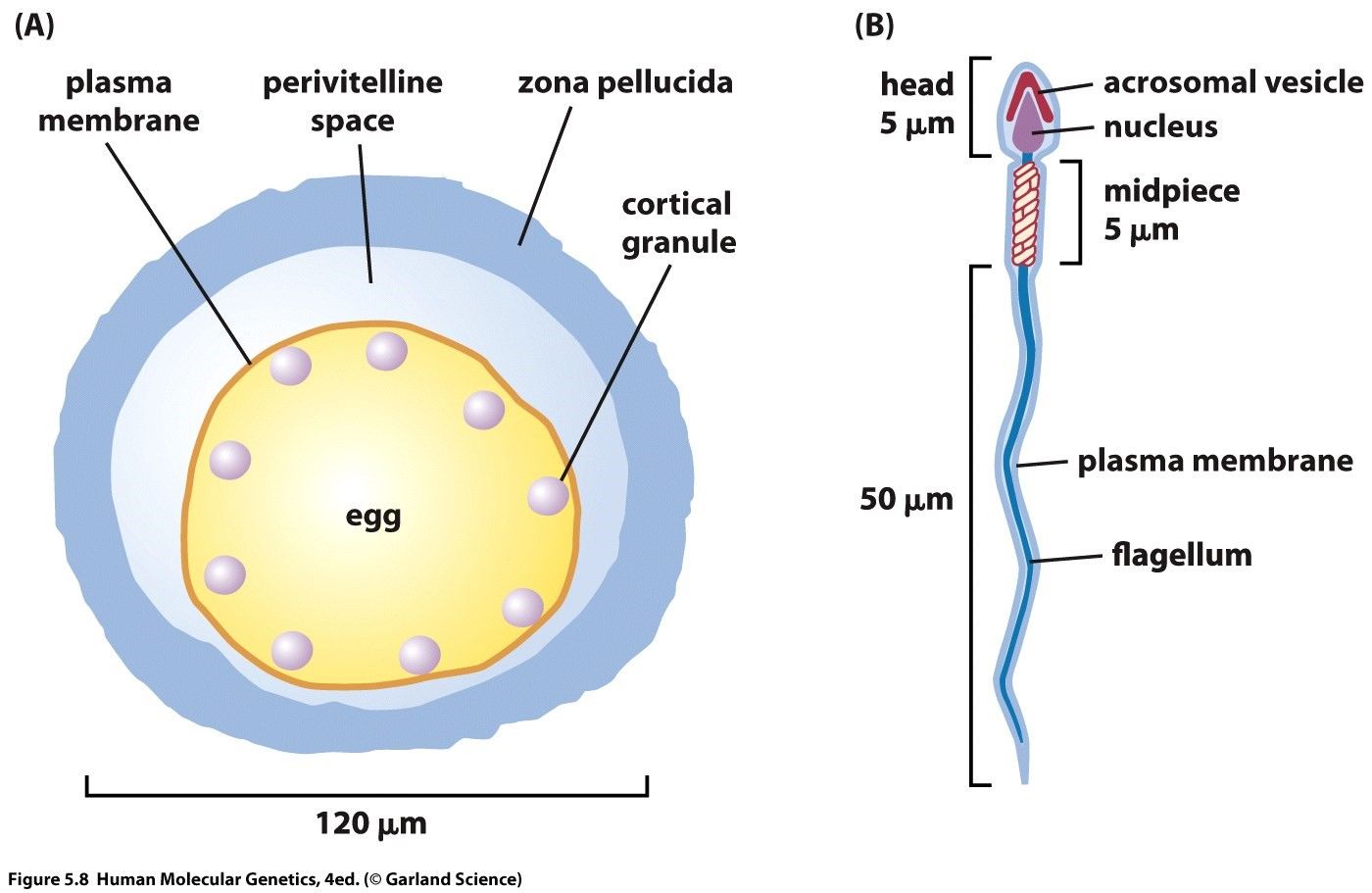
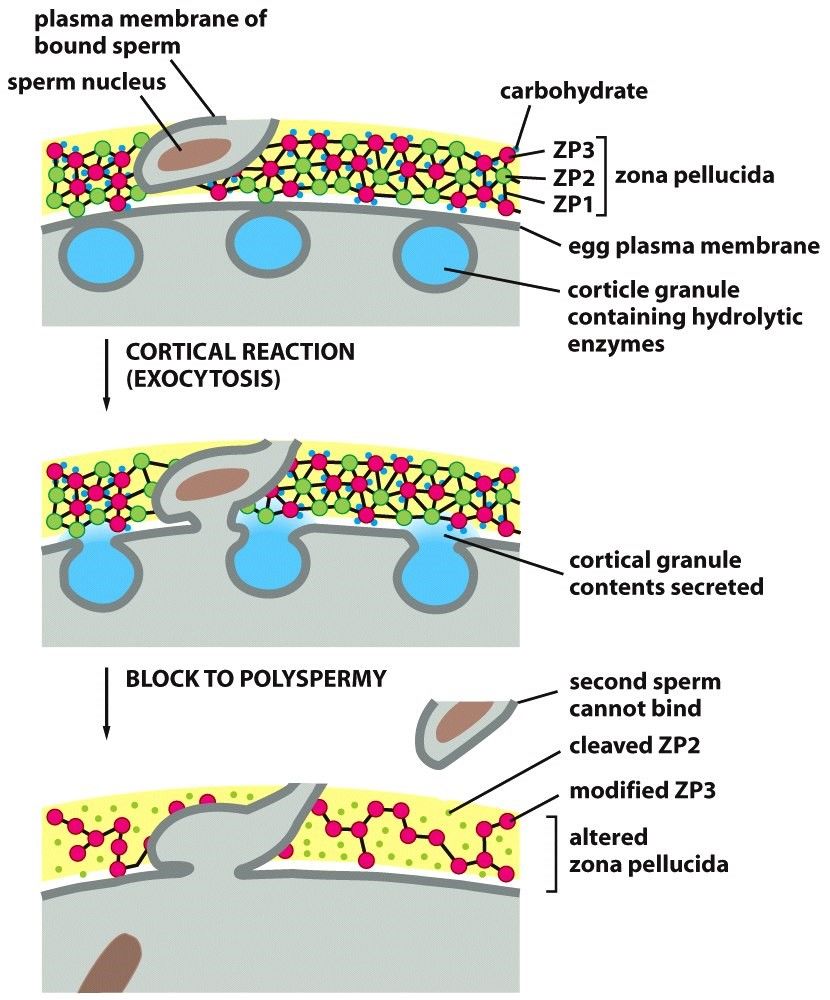
Mature eggs are large haploid cells that contain important mRNA, lipids and protein. Mature sperm are small haploid cells that contain DNA, mitochondria and a pair of centrioles.
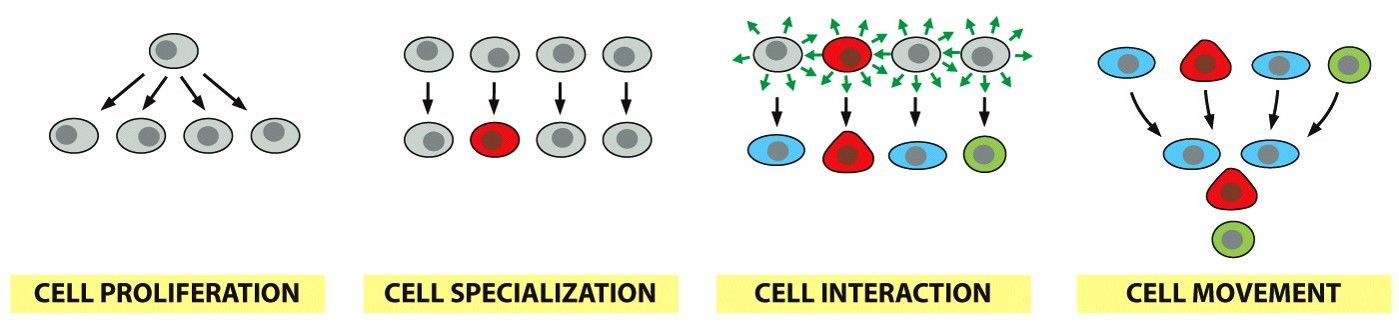
Cell proliferation: producing many cells from oneCell specialization: creating cells with different characteristics at different positionsCell interactions: co-ordinating the behaviour of one cell with that of its neighbourCell movement: rearranging cells to form structured tissues and organs
Want to create your own Notes for free with GoConqr? Learn more.