
15619680
Description

Quiz by Cynthia Lopez, updated more than 1 year ago

|
Created by Cynthia Lopez
over 7 years ago
|
|
Question 1
Question
Which of the following statements is FALSE regarding plant meristems?
Answer
-
Apical meristems are found in shoot tips, root tips and buds and are responsible for the increase in the length of these plant parts
-
Lateral meristem, sometimes referred to as the cambium, is responsible for the increase in stem and root diameter or thickness
-
All active meristems receive priority for the food material and minerals available within the plant and are often referred to as sinks
-
Meristematic areas encompass a large mass of cells
Question 2
Question
ALL MUST BE TRUE.
The primary functions of roots are to:
i. take up water and soluble mineral nutrients from the soil
ii. produce carbohydrates through photosynthesis
iii. store excess food materials
iv. anchor the plant
Answer
- True
- False
Question 3
Question
Roots require water and food material produced in the shoots, but not oxygen in order to function and grow properly.
Answer
- True
- False
Question 4
Question
Plants with separate male and female flowers on the same plant are termed dioecious.
Answer
- True
- False
Question 5
Question
Buds are meristematic structures along the stem that are composed of compressed, immature, leafy shoots, flowers or both. They may be dormant for a portion of the year of for many years before they become active.
Answer
- True
- False
Question 6
Question
Leaf veins are the continuation and termination of xylem and phloem from the roots and stems.
Answer
- True
- False
Question 7
Question
Which of the following statements is FALSE regarding leaves?
Answer
-
The epidermis is a thin protective layer of cells on the upper and lower surfaces.
-
Immediately under the upper epidermis are densely packed cells that contain chlorophyll, the green pigment necessary in photosynthesis.
-
Inside the lower epidermis are widely spaced cells that permit free movement of water vapor, carbon dioxide and oxygen in and out of the leaves through stomata.
-
Pairs of specialized cells, termed plastid cells, control the opening and closing of stomata.
-
Guard cells respond to light so that stomata are normally open in daylight and closed in the dark
Question 8
Question
The principal male flowering structure is the:
Answer
-
pistil
-
stamen
-
style
-
dioecious
Question 9
Question
The principal female flowering structure is the:
Answer
-
pistil
-
stamen
-
anther
-
monoecious
Question 10
Question
Botanically speaking, a fruit is the plant part that contains the mature, swollen ovary and seed; such as an orange, tomato, squashes, green beans and eggplants.
Answer
- True
- False
Question 11
Question
Identify the correct botanical/scientific classification format of the Coast Live Oak.
Answer
-
Quercus Agrifolia (Italisized)
-
Quercus agrifolia
-
Quercus agrifolia (Italicized)
-
quercus agrifolia
Question 12
Question
Like growth, plant development is an integrated expression of a plant's genetic potential and its environment.
Answer
- True
- False
Question 13
Question
Photosynthesis is the process by which green plants produce their own carbohydrates, or nutrients, and obtain a source of chemical energy.
Answer
- True
- False
Question 14
Question
Plant species vary somewhat in the light levels needed for photosynthesis.
Answer
- True
- False
Question 15
Question
In order for a plant to grow and develop normally respiration must occur at a rate that greatly exceeds the photosynthesis rate.
Answer
- True
- False
Question 16
Question
The depletion of stored food reserves may reduce the vigor of a plant and its ability to develop high-quality flowers, fruit, or storage organs such as tubers.
Answer
- True
- False
Question 17
Question
Most of the water and mineral uptake occurs in roots along the large taproot of a plant's root system through a combination of physical and chemical processes.
Answer
- True
- False
Question 18
Question
The time of year when flower induction occurs and the length of time from induction to flowering for a given species are important for home gardeners to know.
Answer
- True
- False
Question 19
Answer
-
parallel venation
-
pinnate venation
-
palmate venation
Question 20
Question
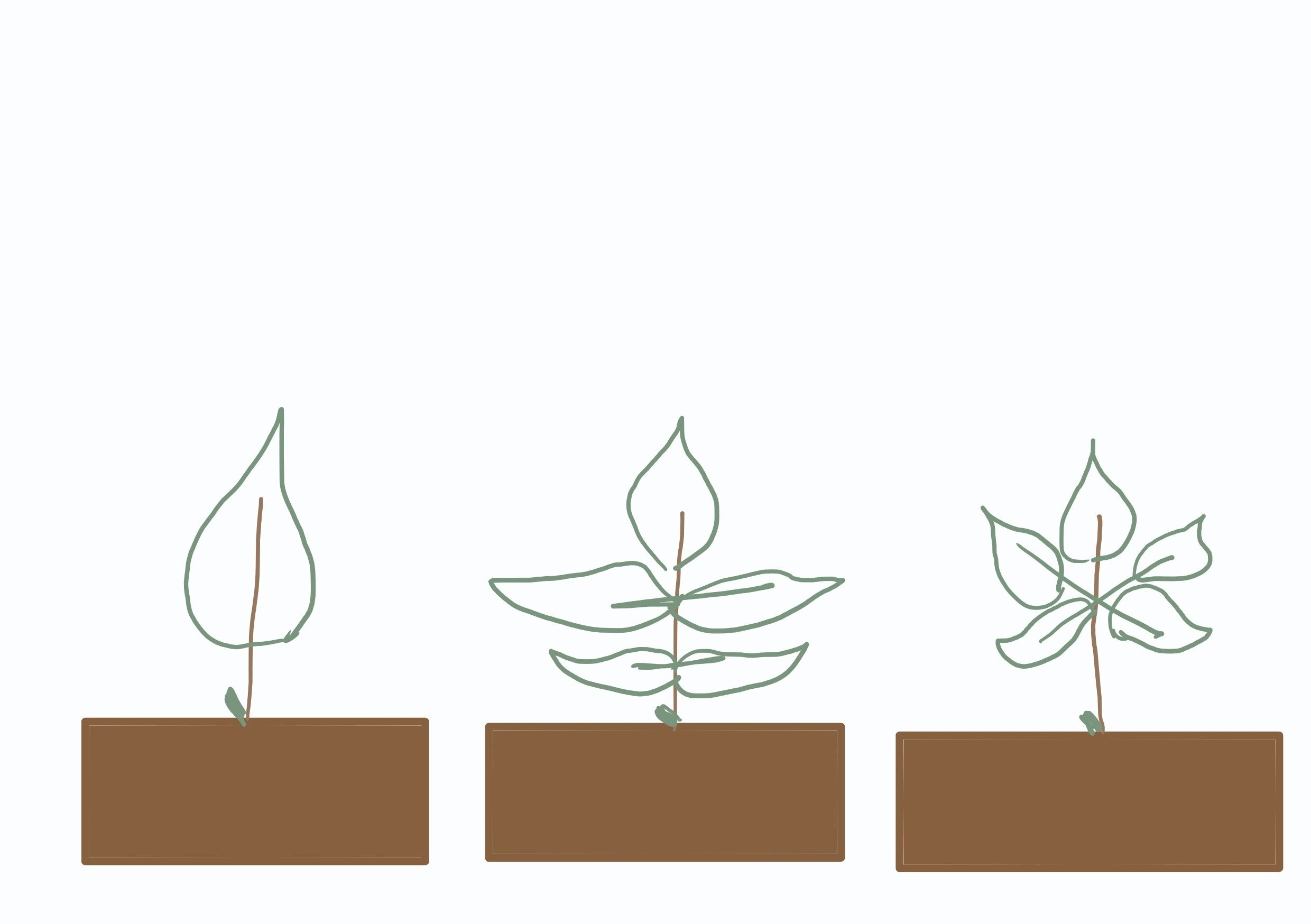
From left to right, the image displays which order of leaf arrangements?
Answer
-
Simple, pinnately compound, palmately compound
-
Palmatelycompound, simple, pinnately compound
-
Simple, palmately compound, pinnately compound
Question 21
Question
When soils are severly compacted, water-logged, or are artificially deepened more than a few inches over a plant's root system, oxygen may be insufficient for root respiration. Roots die if these conditions occur for an extended period of time.
Answer
- True
- False
Question 22
Answer
-
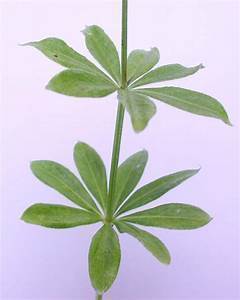
alternate leaf arrangement
-
opposite leaf arrangement
-
whorled leaf arrangement
Question 23
Question
The process of translocation in a plant can also aid in the movement of externally applied foliar fertilizers and pesticides.
Answer
- True
- False
Question 24
Question
Most water and nutrient absorbing roots of trees are found in which section of the soil?
Answer
-
upper 12"
-
below 12"
-
below 24"
-
water and nutrient absorbing roots are distributed evenly throughout the soil
Question 25
Question
Which of the following plant tissues contains meristematic tissue?
Answer
-
xylem
-
heartwood
-
phloem
-
vascular cambium
Question 26
Question
The vascular cambium of a dicot tree is generally located:
Answer
-
near the center of the trunk in the heartwood
-
in the roots near the basal flare
-
on the outside of the trunk near to the bark and phloem
-
evenly distributed throughout the trunk of the tree
Want to create your own Quizzes for free with GoConqr? Learn more.