GoConqr has a new look! Let us know what you think.

Flashcards

Roman Art and Archaeology
Liz Randolph Archaeology English 39 cards

Roman Art and Archaeology

Cards in this deck (39)

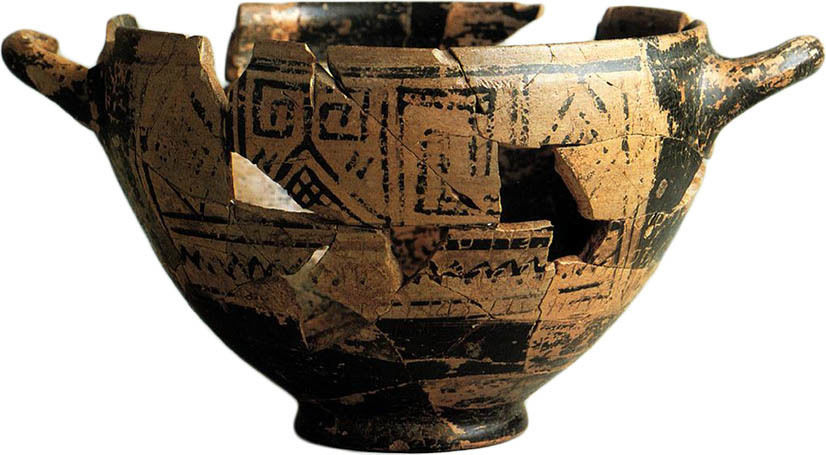
  1. 1—“Nestor’s Cup”
    Pithekoussai (Ischia)
    dates from c. 730 BC
    Oldest written reference to the Iliad
    “Nestor’s Cup” Pithekoussai (Ischia) dates from c. 730 BC Oldest written reference to the Iliad
  2. 2—The Portonaccio Sanctuary at Veii
    The Temple of Apollo
    (510 BCE)
    Squarish, raised podium, frontal staircase, colonnaded porch, tripartite cella, terracotta roof, sculpture
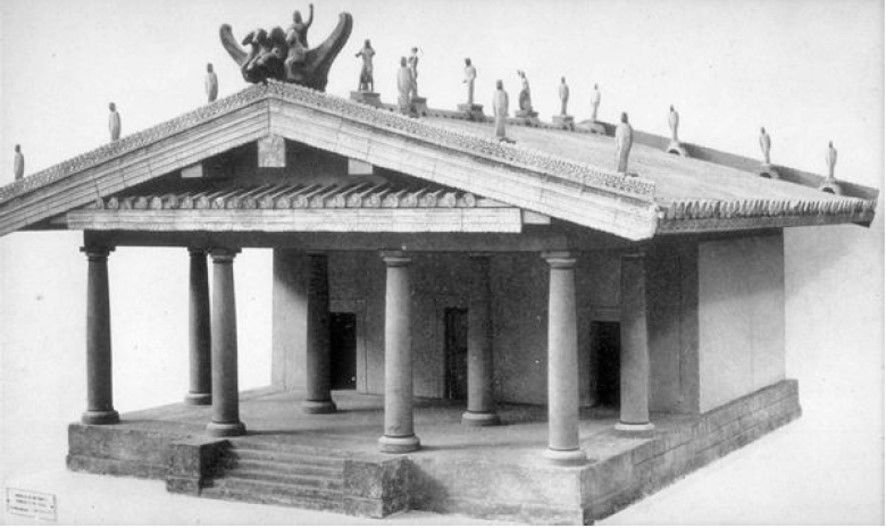
    The Portonaccio Sanctuary at Veii The Temple of Apollo (510 BCE) Squarish, raised podium, frontal staircase, colonnaded porch, tripartite...
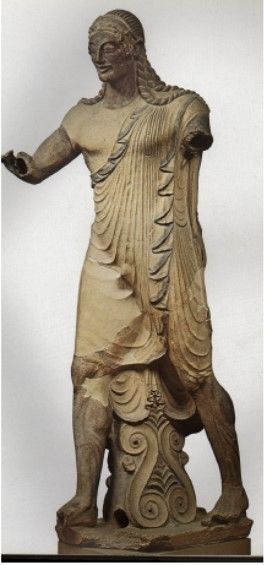
  3. 3—The Apollo at Veii
    M-L 6th Century
    The Apollo at Veii M-L 6th Century
  4. 4—The Capua Tile (c. 470 BCE)
    Found in Santa Maria di Capua
    Records a religious calendar
    Publicly exhibited in a sanctuary
    62 lines & c. 300 legible words it is the longest epigraphical Etruscan inscription.
    Dates to the early 5th c. BCE
    Lists offerings and sacrifices to various divinities.
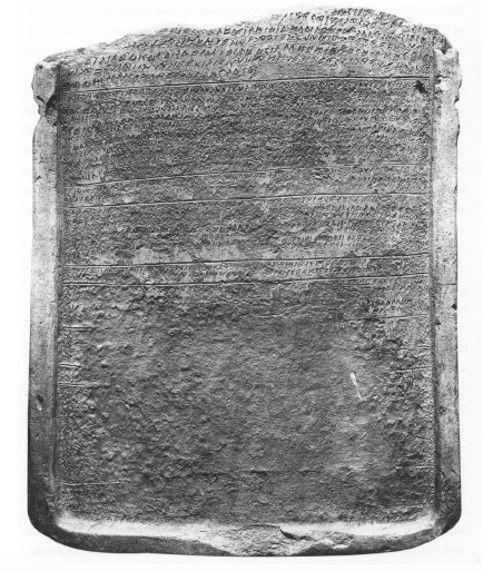
    The Capua Tile (c. 470 BCE) Found in Santa Maria di Capua Records a religious calendar Publicly exhibited in a sanctuary 62 lines & c...
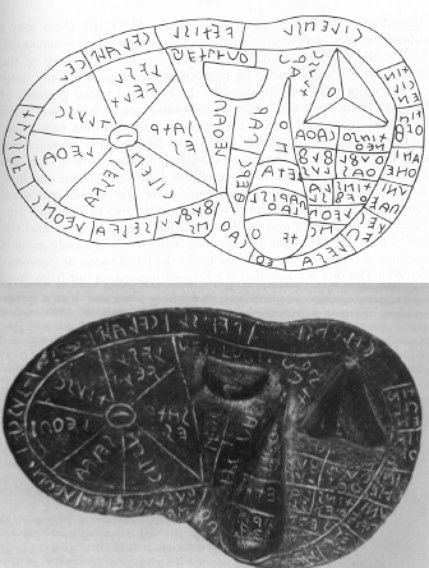
  5. 5—The bronze liver from Piacenza (L. 2nd C. BCE)The bronze liver from Piacenza (L. 2nd C. BCE)
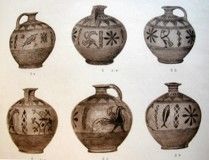
  6. 6—Euboean Pottery
    c. 750 BCE
    Euboean Pottery c. 750 BCE
  7. 7—Cerveteri Cemetary
    - Earliest tombs date from the 9th c. BCE
    (Villanovan)
    - Etruscan Necropolis
    - Organized in a city-like plan, complete with
    streets, squares and neighborhoods.
    - Tombs in the necropolis imitate houses
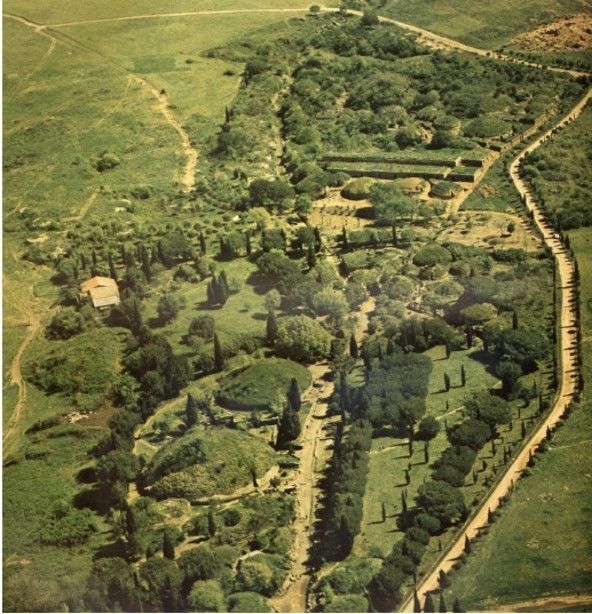
    Cerveteri Cemetary - Earliest tombs date from the 9th c. BCE (Villanovan) - Etruscan Necropolis - Organized in a city-like plan, complete...
  8. 8—Tomb of Hunting and Fishing
    c. late 6th century BCE
    Banquet Scene
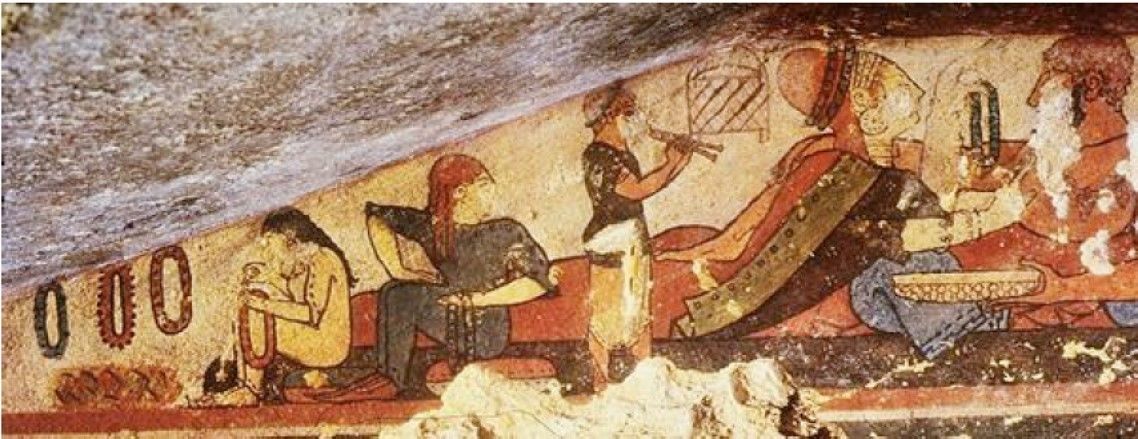
    Tomb of Hunting and Fishing c. late 6th century BCE Banquet Scene
  9. 9—Tomb of the Lionesses
    c. 530-520 BCE
    Tomb of the Lionesses c. 530-520 BCE
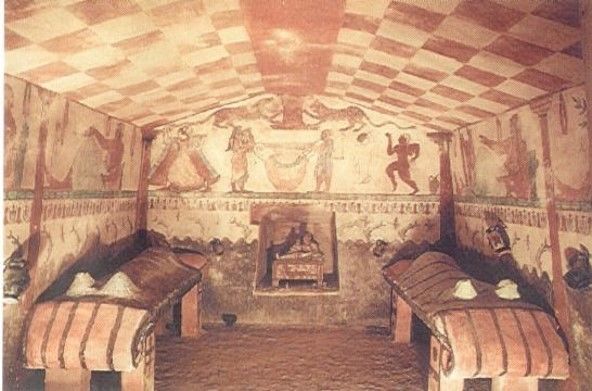
  10. 10—Tomb of the Reliefs
    c. 350-325 BCE
    An extended-family tomb
    (32 spaces, 12 “beds” kl)
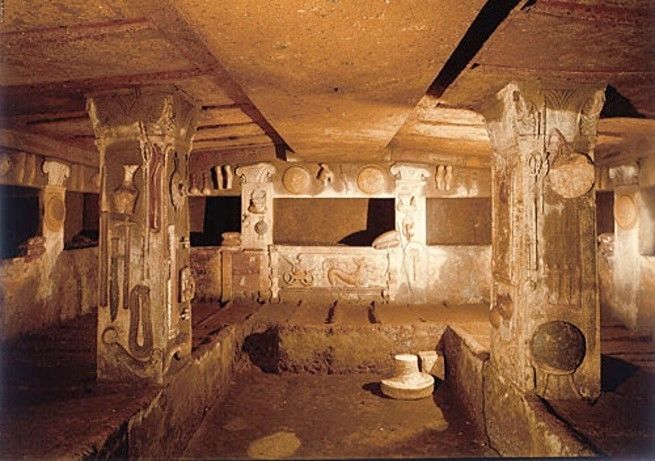
    Tomb of the Reliefs c. 350-325 BCE An extended-family tomb (32 spaces, 12 “beds” kl)
  11. 11—Etruscan Terracotta Sarcophagus
    c. 6th century BCE
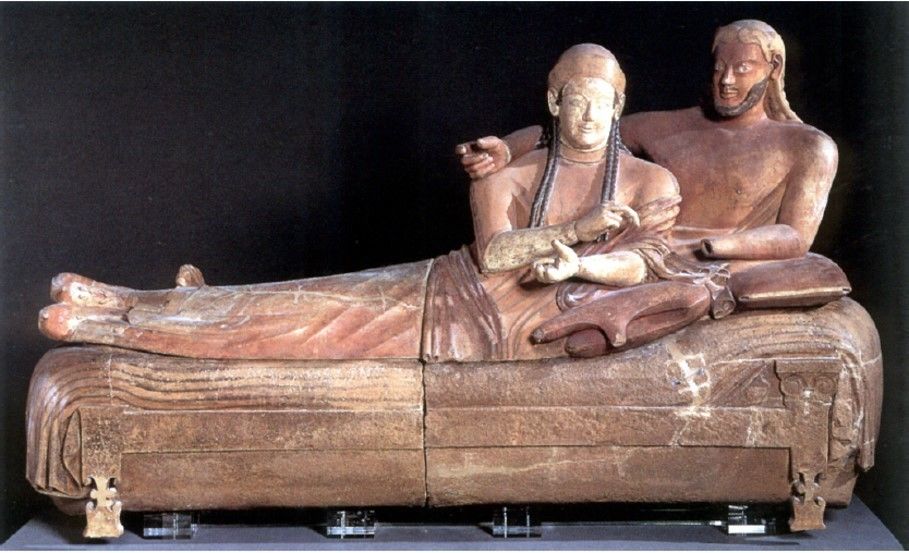
    Etruscan Terracotta Sarcophagus c. 6th century BCE
  12. 12—Lysikrates Monument, Athens
    Commissioned by Lysikrates, to
    commemorate a victory by a
    theater chorus in 334 BC
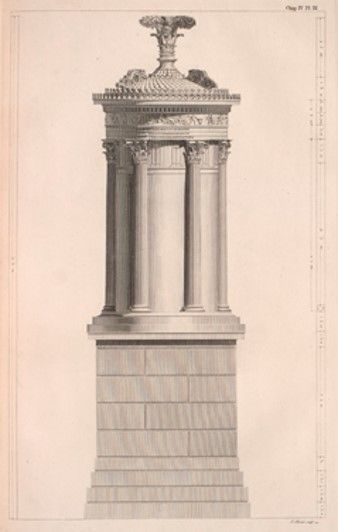
    Lysikrates Monument, Athens Commissioned by Lysikrates, to commemorate a victory by a theater chorus in 334 BC
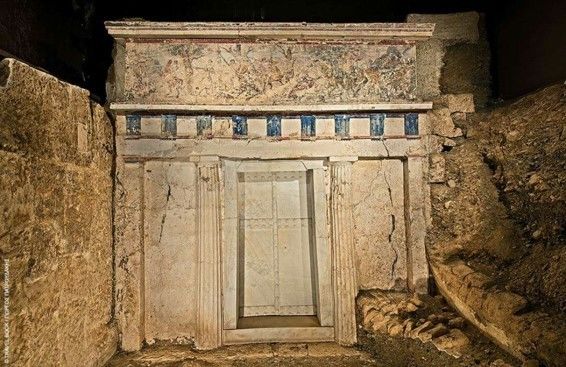
  13. 13—"Philip's Tomb" Facade"Philip's Tomb" Facade
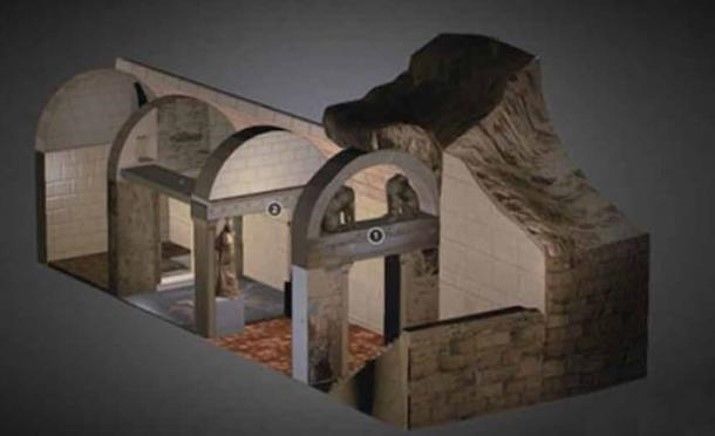
  14. 14—Amphilpolis TombAmphilpolis Tomb
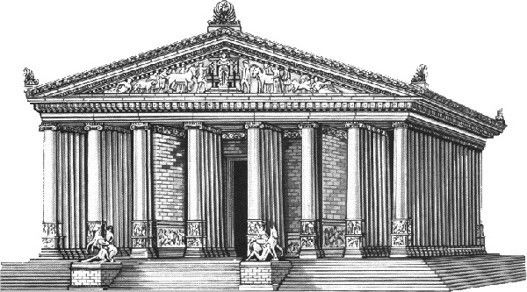
  15. 15—Didyma Temple of ApolloDidyma Temple of Apollo
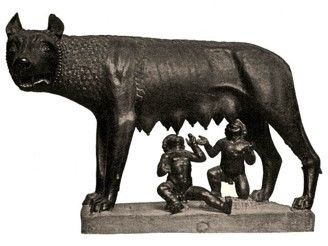
  16. 16—The Capitoline Wolf
    C. 500 BCE
    The Capitoline Wolf C. 500 BCE
  17. 17—Temple of Jupiter Optimus Maximus (Capitolium) c. 509 BCE
    Begun by Tarquinius Priscus and completed by the last king of Rome, Tarquinius Superbus, only inaugurated at the beginning of the Republican era in 509 BC.
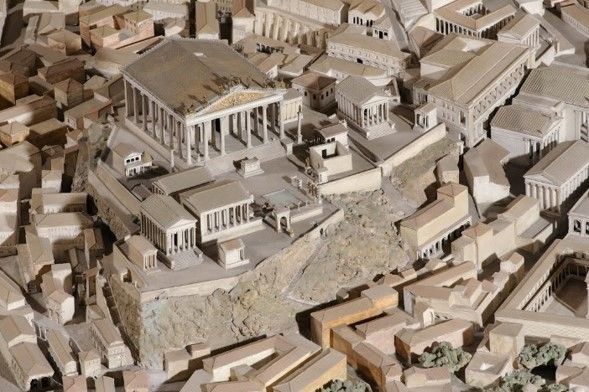
    Temple of Jupiter Optimus Maximus (Capitolium) c. 509 BCE Begun by Tarquinius Priscus and completed by the last king of Rome, Tarquinius ...
  18. 18—Augustus' Victory Monument
    at Actium, Greece
    after battle in 31 BCE
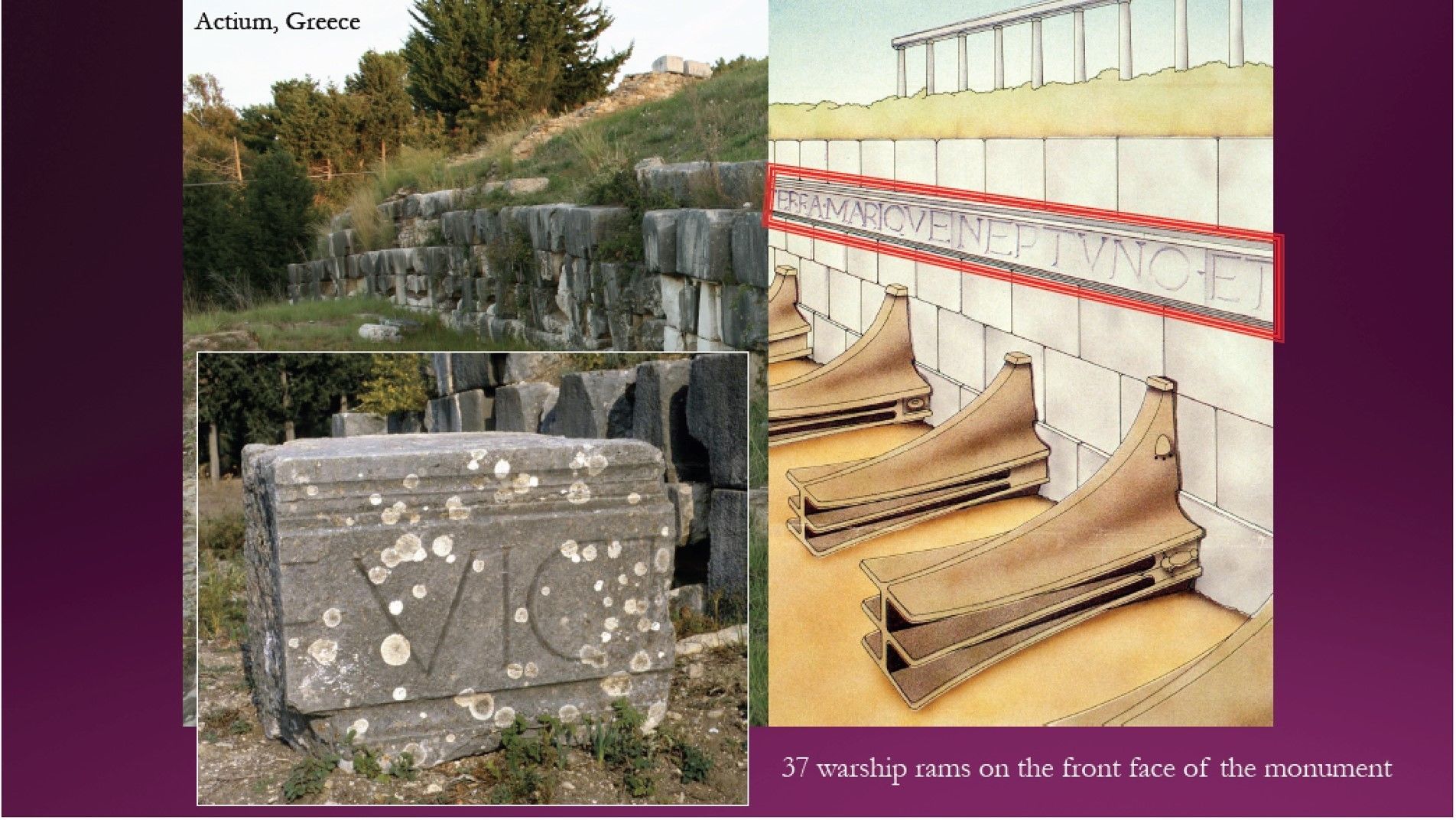
    Augustus' Victory Monument at Actium, Greece after battle in 31 BCE
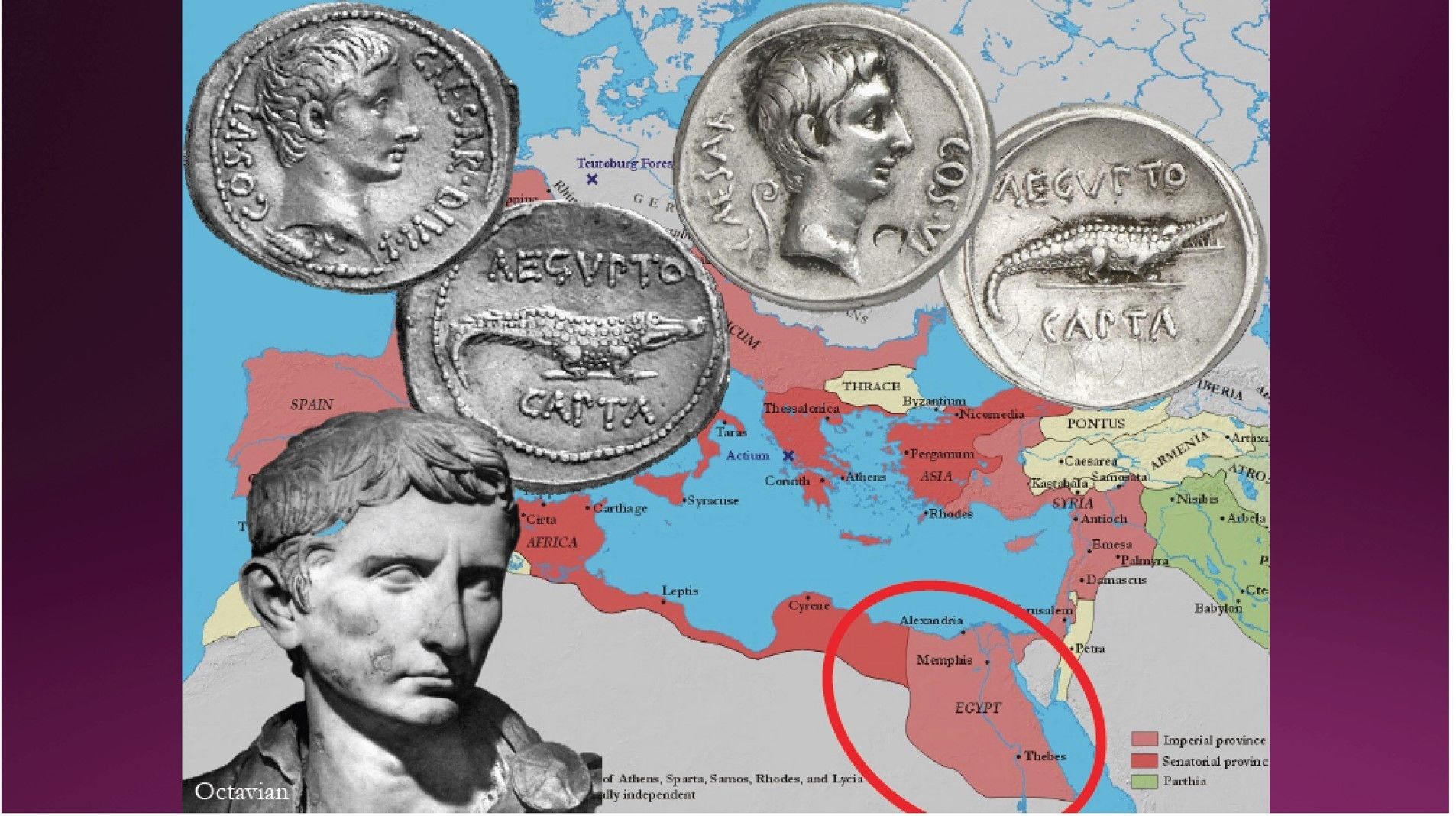
  19. 19—Aegypt Capta CoinAegypt Capta Coin
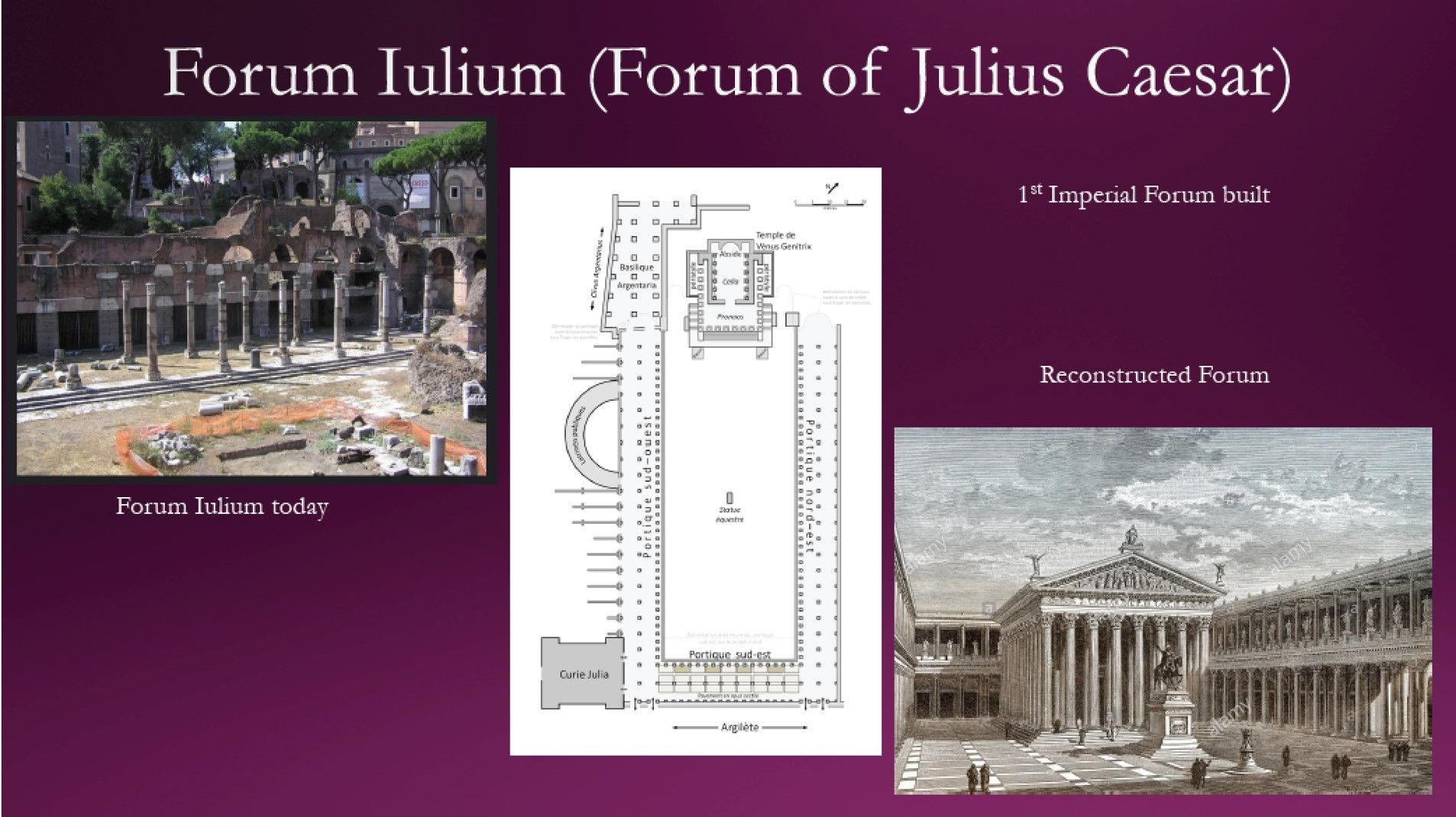
  20. 20—Forum IuliumForum Iulium
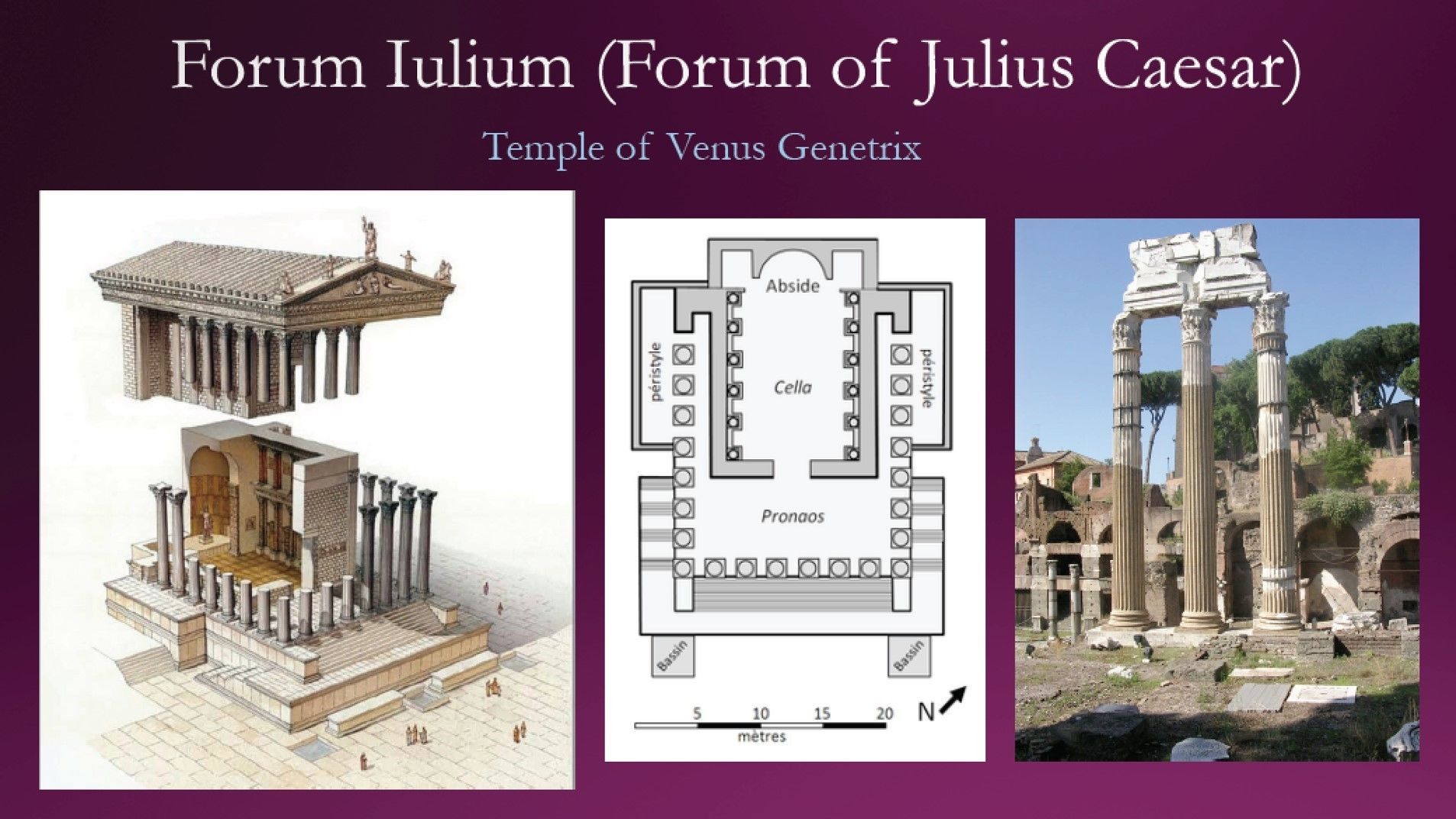
  21. 21—Temple of Venus GenetrixTemple of Venus Genetrix
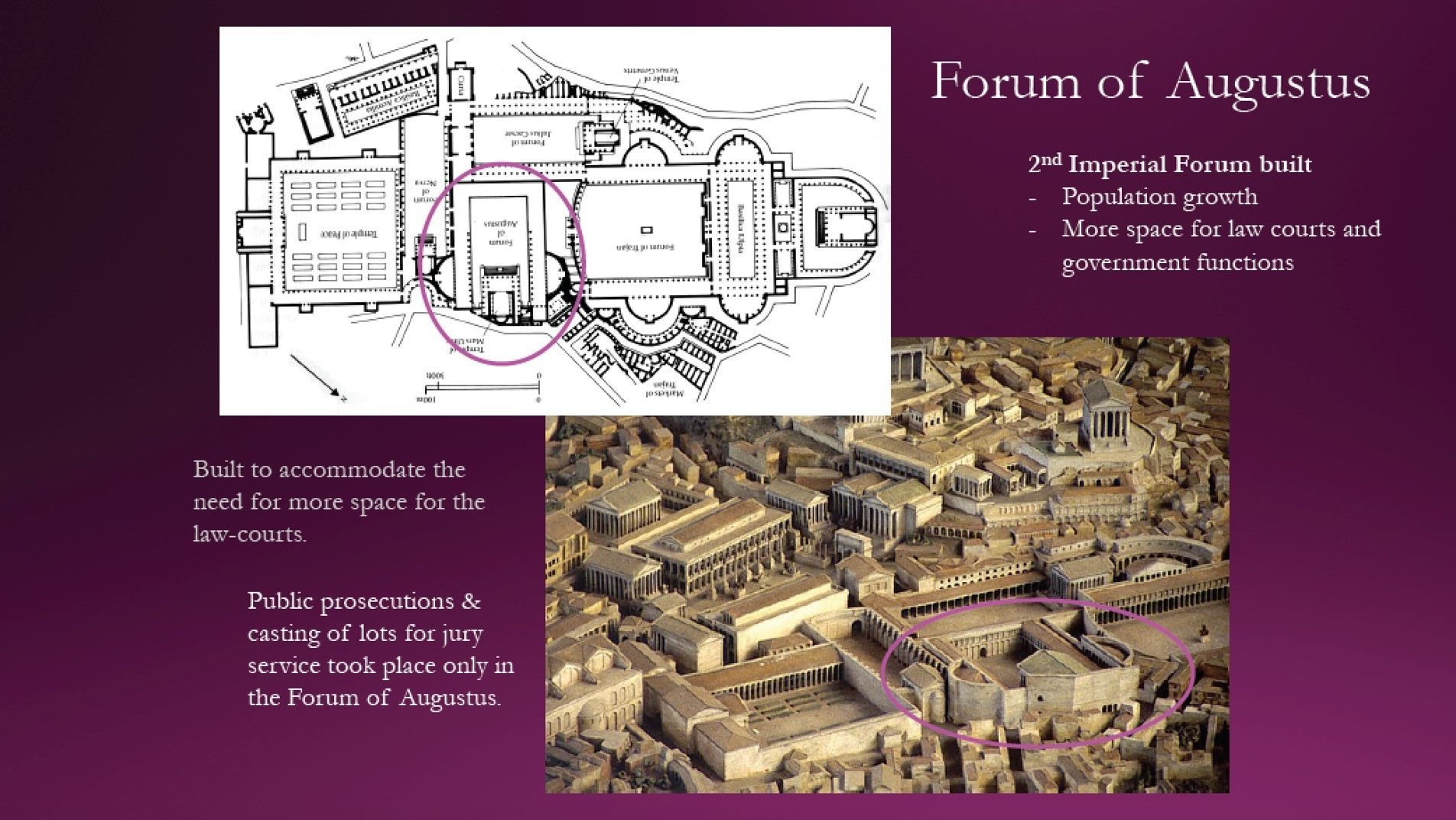
  22. 22—Forum of AugustusForum of Augustus
  23. 23—Temple of Mars Ultor
    built in 20 BCE by Augustus for the battle of the Philippi in 42
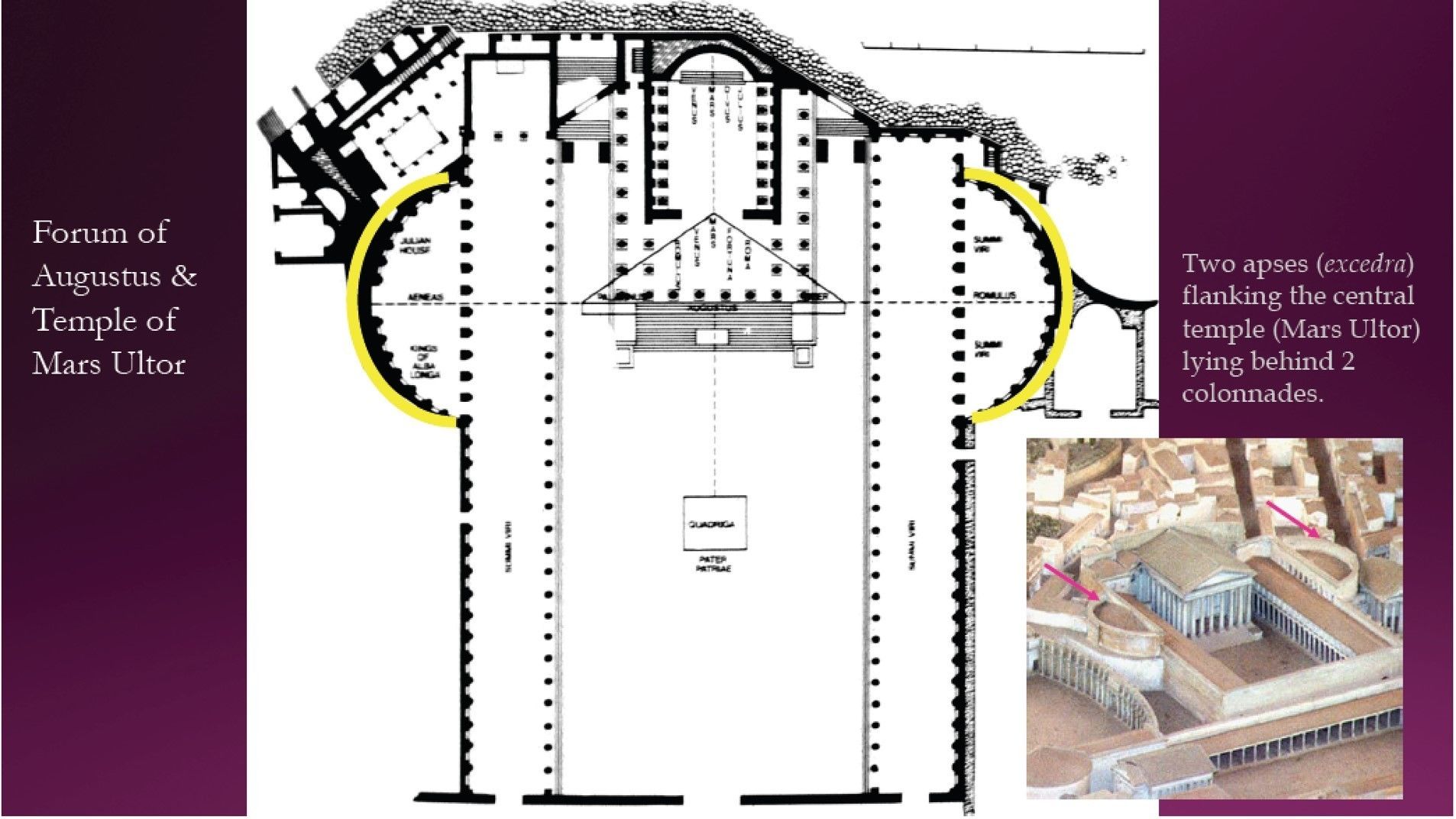
    Temple of Mars Ultor built in 20 BCE by Augustus for the battle of the Philippi in 42
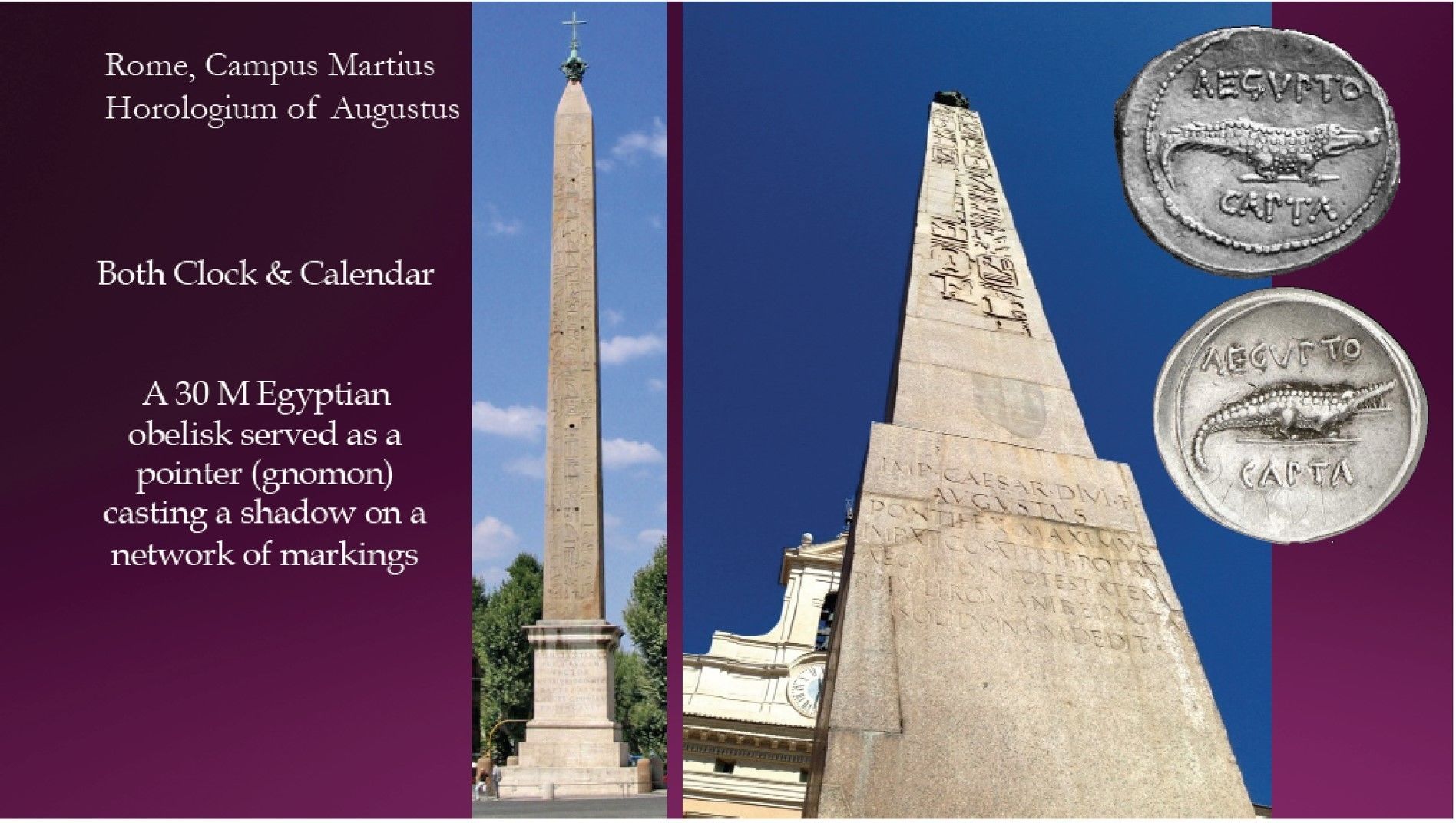
  24. 24—Horologium of AugustusHorologium of Augustus
  25. 25—Ara Pacis, Campus Martius in Rome
    c. 13-9 BCE
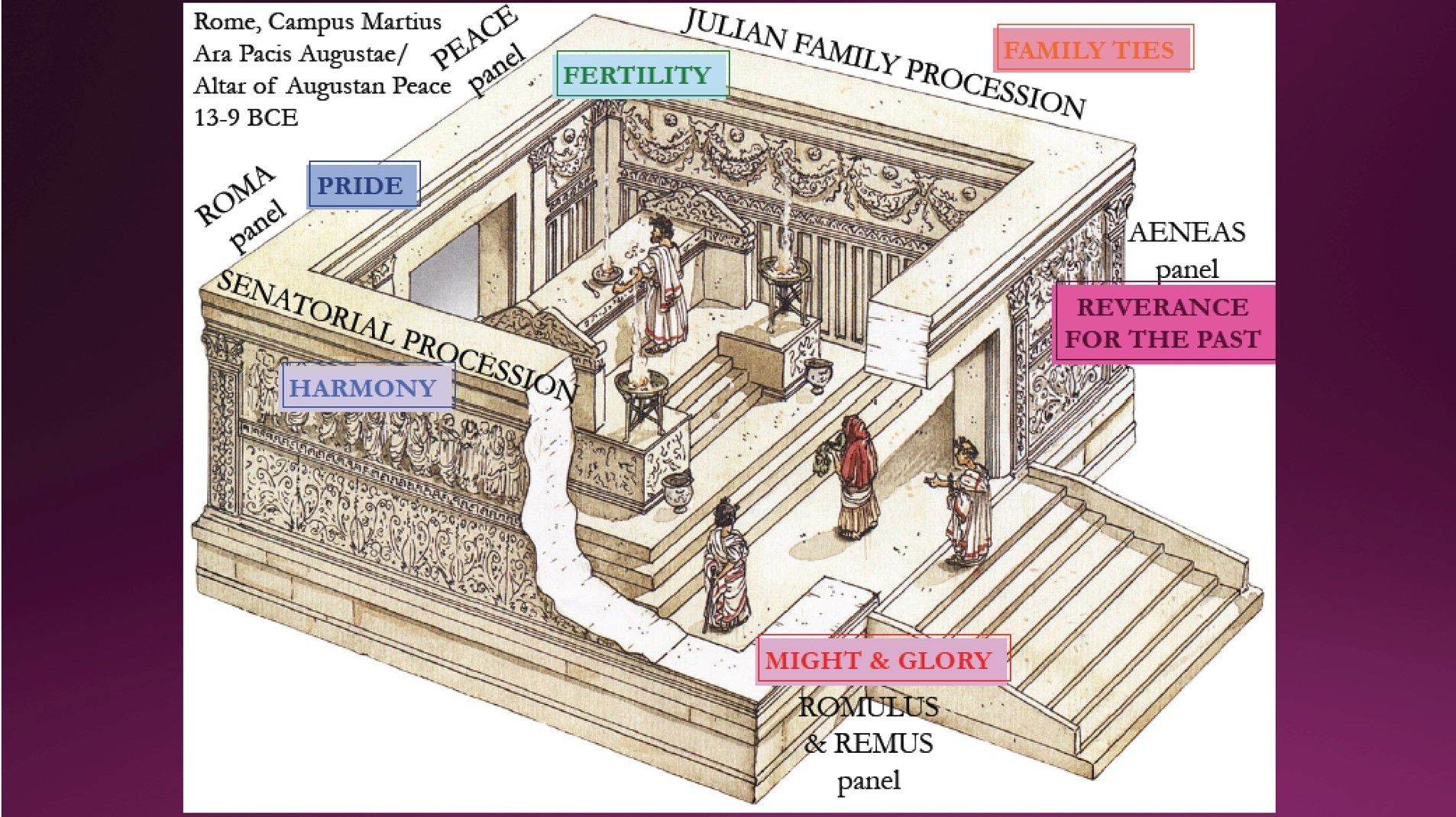
    Ara Pacis, Campus Martius in Rome c. 13-9 BCE
  26. 26—Mausoleum of Augustus
    Two levels, lower is covered by earth and upper is surrounded by collonade.
    Two Egyptian Obelisks are stationed at front enterance
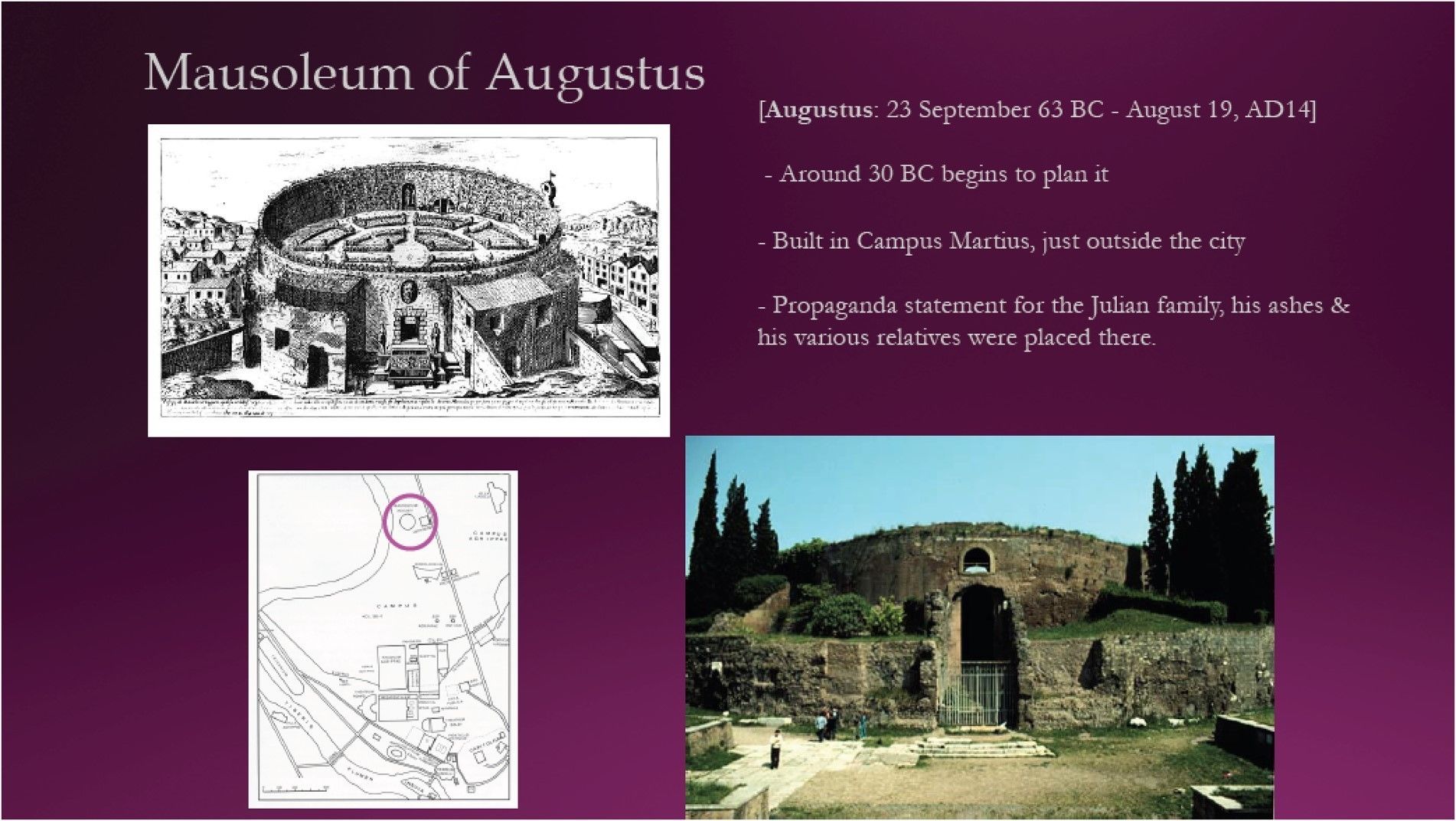
    Mausoleum of Augustus Two levels, lower is covered by earth and upper is surrounded by collonade. Two Egyptian Obelisks are stationed at ...
  27. 27—Temple of Divus Augustus
    Pula, Croatia
    finished by Caligula
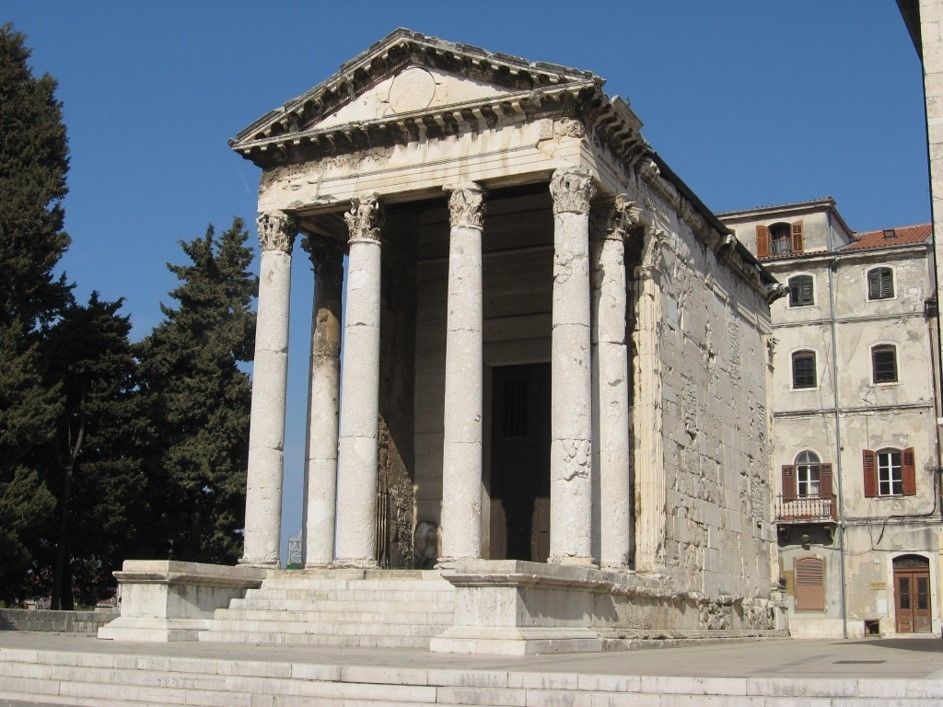
    Temple of Divus Augustus Pula, Croatia finished by Caligula
  28. 28—The Theater of Pompey
    Reconstruction began under Tiberius and finished by Caligula
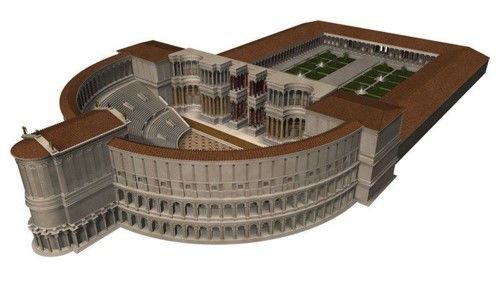
    The Theater of Pompey Reconstruction began under Tiberius and finished by Caligula
  29. 29—Caligula's Nemi Ships
    Traveled back and forth across lake
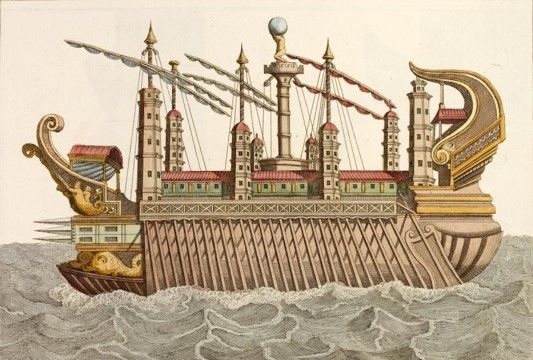
    Caligula's Nemi Ships Traveled back and forth across lake
  30. 30—Circus Maximus
    4th C. BCE evidence
    1st C. BCE stone foundations (Caesar)
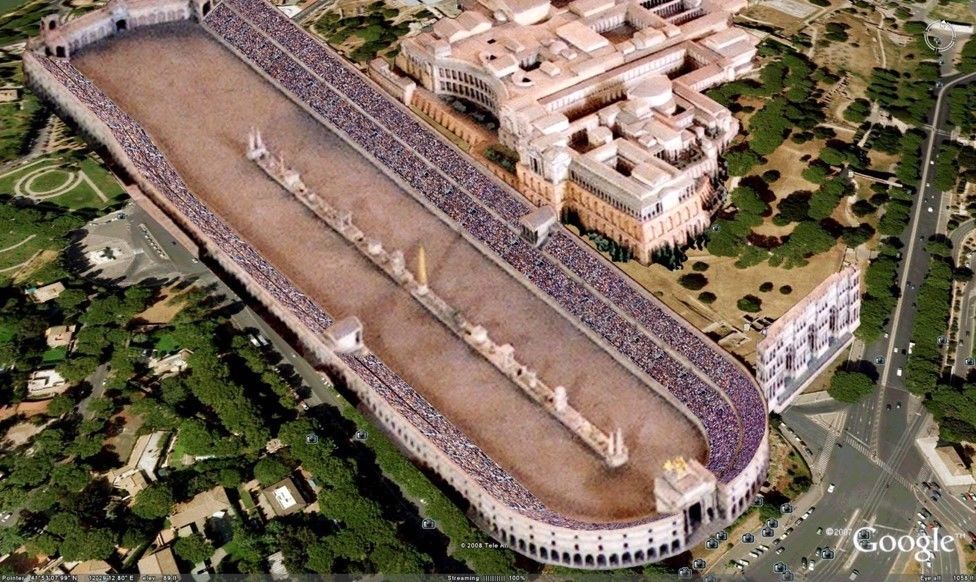
    Circus Maximus 4th C. BCE evidence 1st C. BCE stone foundations (Caesar)
  31. 31—Flavian Ampitheater (the Colosseum)
    built by Vespasian and Titus
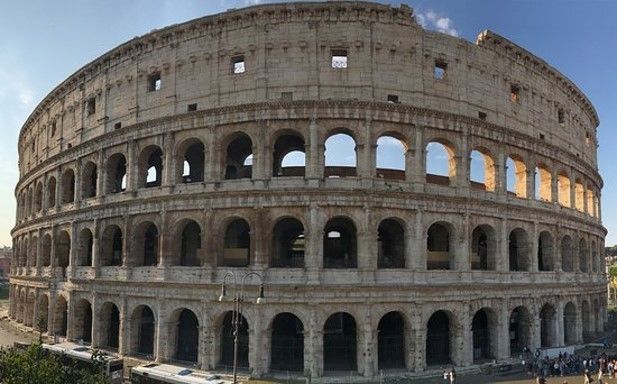
    Flavian Ampitheater (the Colosseum) built by Vespasian and Titus
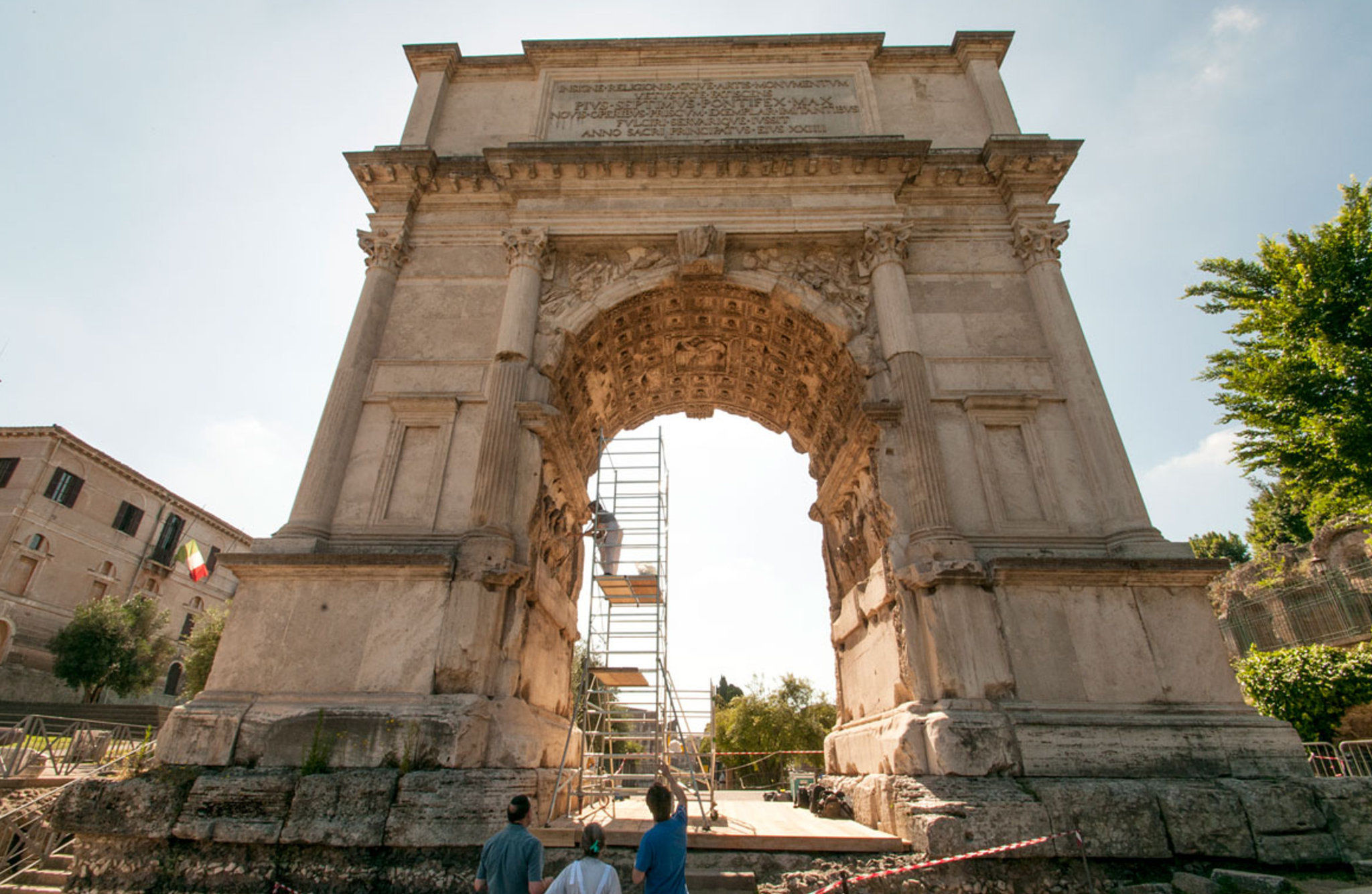
  32. 32—Arch of Titus
    c. 85 CE, Rome
    Arch of Titus c. 85 CE, Rome
  33. 33—Tomb of the Five Chairs
    Cerveteri c. 650-600 BCE
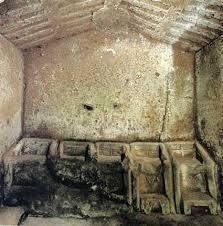
    Tomb of the Five Chairs Cerveteri c. 650-600 BCE
  34. 34—Isis of the Capitoline
    Men and Women could join
    Originated in Egypt
    One of the most popular mystery cults
    Benevolent protector goddess
    Nurtured worshipers
    Helped participants cope with rapid change, especially in urban, cosmopolitan society.
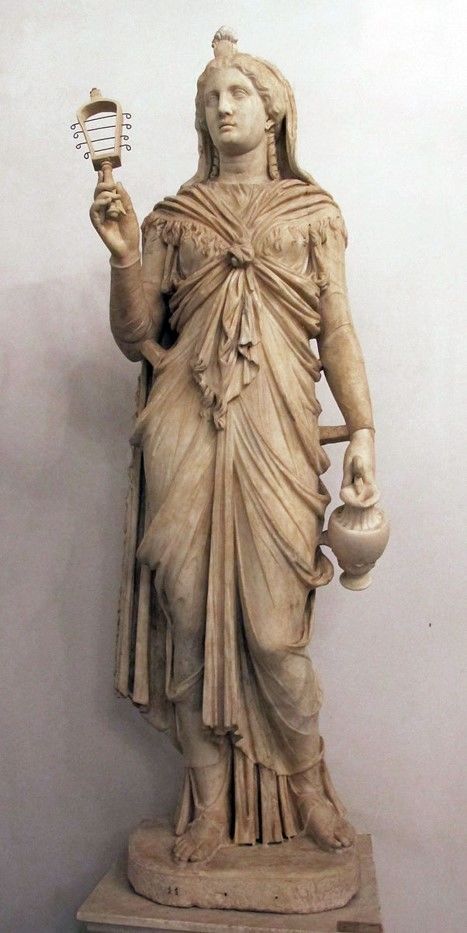
    Isis of the Capitoline Men and Women could join Originated in Egypt One of the most popular mystery cults Benevolent protector goddess Nu...
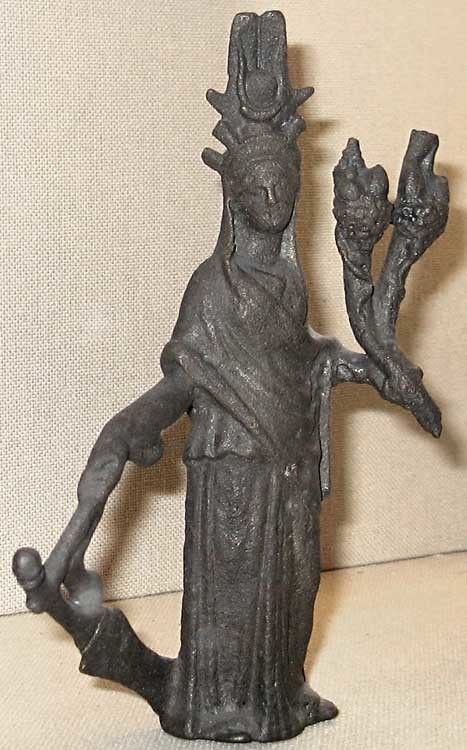
  35. 35—Isis Tyche (sailing)
    1 Century BCE
    Isis Tyche (sailing) 1 Century BCE
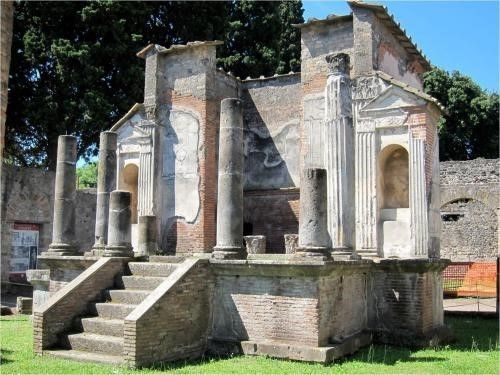
  36. 36—Temple of Isis, Pompeii
    c. 100 BCE
    Temple of Isis, Pompeii c. 100 BCE
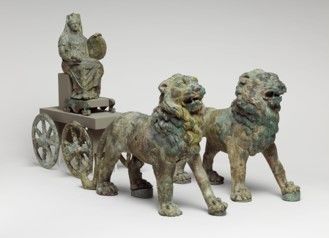
  37. 37—Cybele (Magna Mater) pulled by LionsCybele (Magna Mater) pulled by Lions
  38. 38—Roman Funerary Urn
    Later was replaced by the sarcophagus
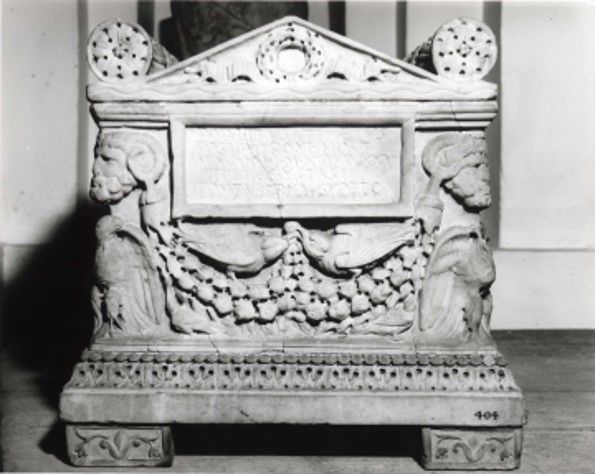
    Roman Funerary Urn Later was replaced by the sarcophagus
  39. 39—Tomb of the Scipios (Hypogaeum)
    Family tomb, located in an aristocratic cemetery, in use from the 3rd Century BC to the 1st Century AD
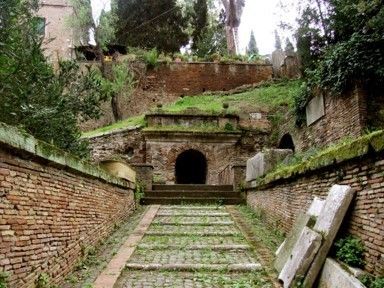
    Tomb of the Scipios (Hypogaeum) Family tomb, located in an aristocratic cemetery, in use from the 3rd Century BC to the 1st Century AD

Information

Description
Midterm 1
Created by
Liz Randolph
Views
86
Rating

Feedback

What is it about?

What do you think of the new look?

How do you like it?