
39086043
Description

Flashcards by Adrianna Bialecka, updated more than 1 year ago

|
Created by Adrianna Bialecka
about 2 years ago
|
|
| Question | Answer |
| What is the exception to the Octet Rule? | Only elements in 2p block follow Octet Rule |
| What can happen to elements in the 2p block? | They can less than 8 shared electrons but they cant have more |
| What happens to elements in blocks higher than 2p e.g. 3p? | They can have more than 8 shared electrons |
| What is the order for filling orbitals? | 2, 6 ,10 |
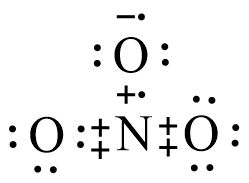
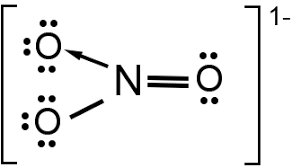
| What is the lewis structure of NO3-? | |
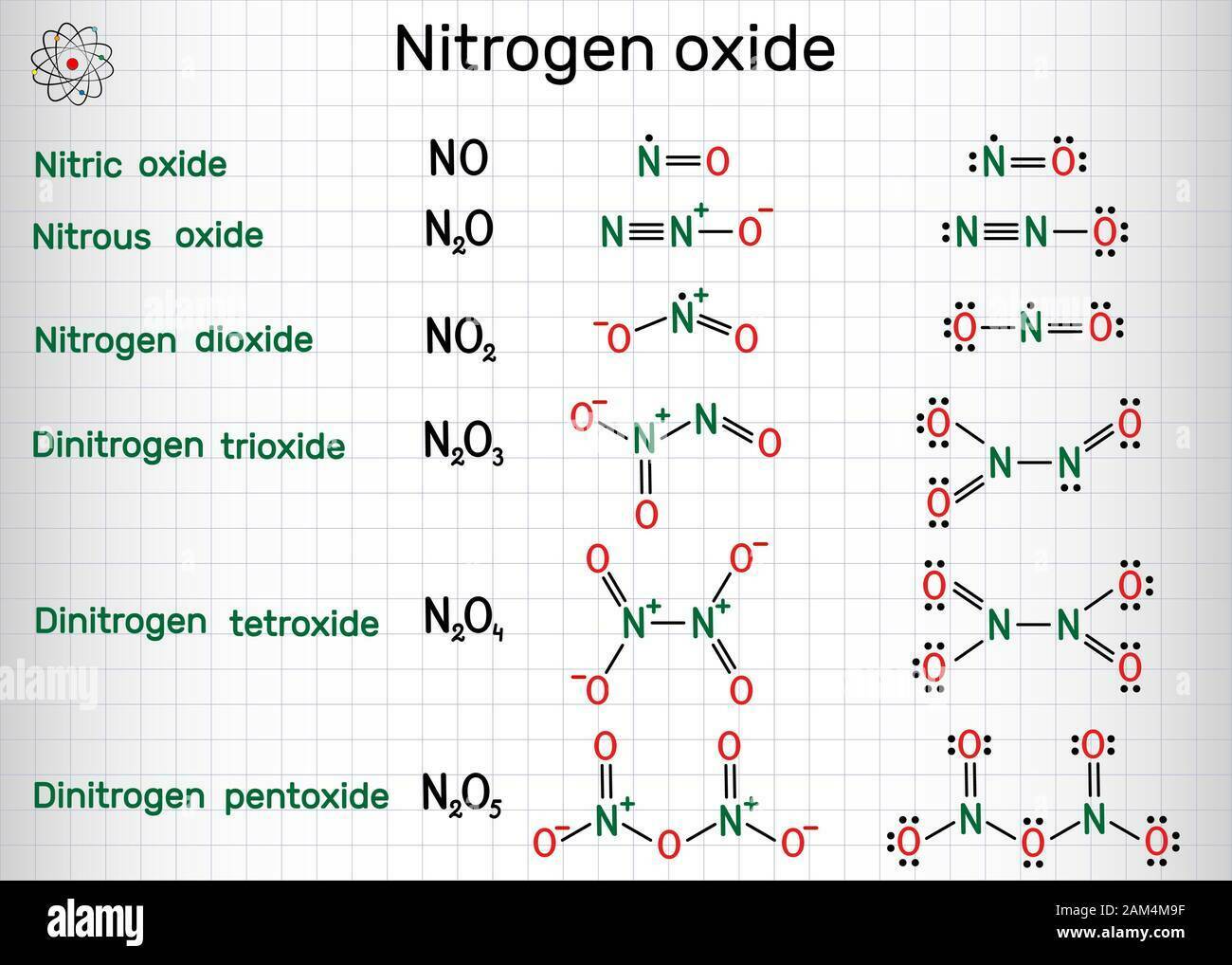
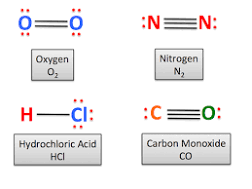
| What are the lewis structures of these nitrogen oxides? | |
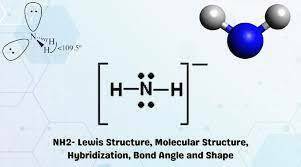
| What is the lewis structure of NH2-? | |
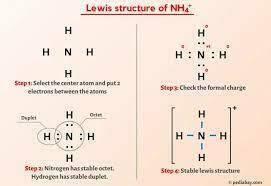
| What is the lewis structure of NH4+? | |
| What are formal charges and how to find them? | The lower the formal charge the more desirable the lewist structure. How to find: Number of valence electron of atom -(number of bonds and electron in lone pair) = formal charge |
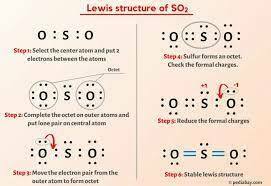
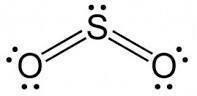
| What is the lewis structure of SO2? | |
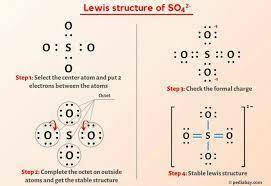
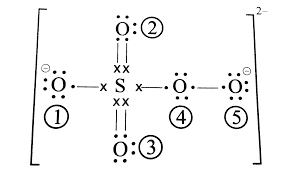
| What is the lewis structure of SO4 -2? | |
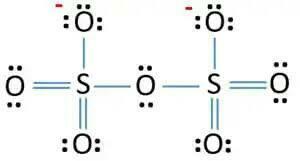
| What is the lewis structure of S2O7 -2? | |
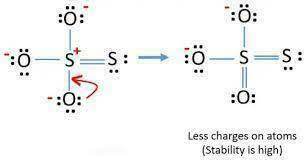
| What is the lewis structure of S2O3 -2? | |
| What is the lewis structure of SO5 2-? | |
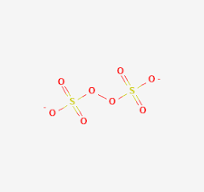
| What is the lewis structure of Peroxodisulfate S2O8 2-? | |
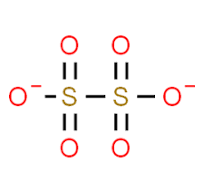
| What is the lewis structure of S2O6 2-? | |
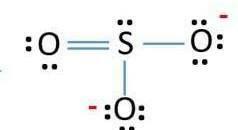
| What is the lewis structure of Sulfite SO3 2-? | |
| What is the lewis structure of Sulfite S2O5 2-? | |
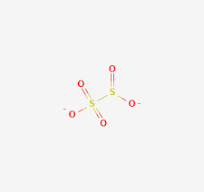
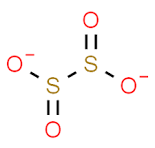
| What is the lewis structure of Sulfite S2O4 2-? | |
| What are the 5 cases that determine shape? | 1. 2 electron pairs 2. 3 electron pairs 3. 4 electron pairs 4. 5 electron pairs 5. 6 electron pairs |
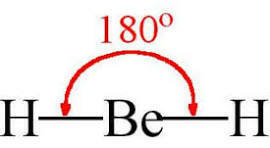
| What is the first example of 2 electron pair case AB2E0? | AB2. If single bonds A must be group 2, not a metal this Be e.g. Linear triatomic molecule Angle= 180 degrees |
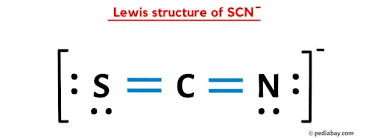
| What is the second example of 2 electron pair case AB2E0? | E.g SCN Linear triatomic |
| What is the first example of 2 electron pair case (AB)E? | Linear diatomic |
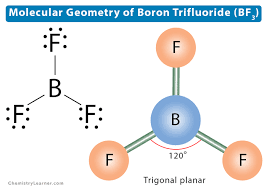
| What is the first example of 3 electron pair case AB3? | 3 valence electrons if single bonds. Gp 13 e.g.BF3 Angle= 120 degrees Trigonal planar |
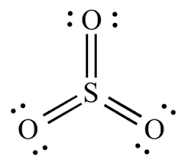
| What is the second example of 3 electron pair case AB3? | If it only has double bond we consider Gp 16 elements. E.g. SO3 Trigonal Planar |
| What is the third example of 3 electron pair case AB3? | NO3- , it has a dative bond. Trigonal planar |
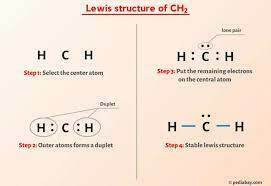
| What is the first example of 3 electron pairs case AB2E? | If single bonds then A is GP 14 E.g CH2 not stable carbene Bent triatomic |
| What is the second example of 3 electron pairs case AB2E? | Bent triatomic molecule E.g. SO2 |
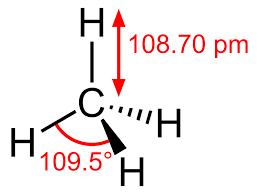
| What is the first example of 4 electron pairs case AB4? | 4 valence electron -> GP 14 Angle= 109.5 degrees E.g. CH4 Tetrahedral |
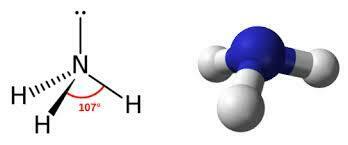
| What is the first example of 4 electron pairs case AB3E? | 5 valence electrons ->Gp 15 Angle= 107 degrees E.g. Ammonia Trigonal Pyramidal |
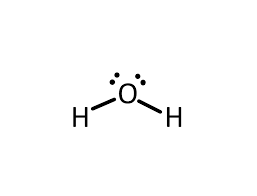
| What is the first example of 4 electron pairs case AB2E2? | 6 valence electrons ->Gp 16 Angle= 104.5 degrees E.g. Water Bent triatomic molecule |
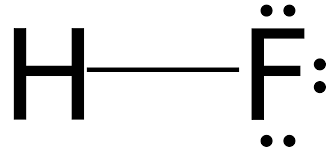
| What is the first example of 4 electron pairs case (AB)E3? | 7 valence electrons -> Group 17 Angle= 180 degrees E.g. HF Linear Diatomic |
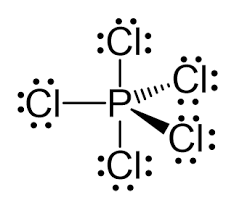
| What is the first example of 5 electron pairs case AB5? | 5 valence electrons -> Gp 15 E.g. PCL5 Trigonal bipyramidal molecule |
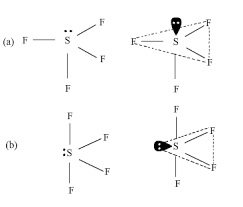
| What is the first example of 5 electron pairs case AB4E? | 6 valence electrons -> Gp 16 2 unique positions: axial position and equatorial position E.g. SF4 a) Trigonal Pyramid b) see-saw molecule |
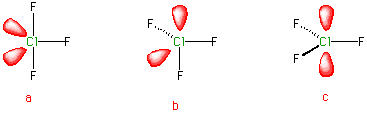
| What is the first example of 5 electron pairs case AB3E2? | 7 valence electrons -> Gp 17 E.g. ClF3 a) T shaped tetra atomic molecule (found in nature) b) distorted trigonal pyramidal c) Trigonal Planar molecule |
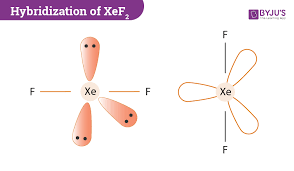
| What is the first example of 5 electron pairs case AB2E3? | 8 valence electron ->Gp 18 E.g. XeF2 Linear Triatomic. If the lone pairs are anywhere else it becomes a bent triatomic |
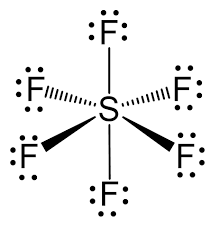
| What is the first example of 6 electron pairs case AB6? | GP16 E.g. SF6 Octahedral Molecules -trigonal antiprism |
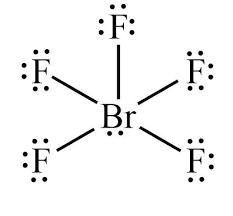
| What is the first example of 6 electron pairs case AB5E? | Gp 17 E.g. BrF5 Distorted Square Pyramidal |
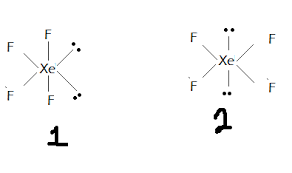
| What is the first example of 6 electron pairs case AB4E2? | Gp 18 E.g. XeF4 1) See-saw molecule 2) Square planar |
| What is F oxidation state? | -1 unless bonded to other F then 0 |
| What is the oxidation state of elements in elemental form? | 0 |
| What is the oxidation state of monoatomic ions? | Charge on the ion e.g. Na+ = oxidation state +1 |
| What is the oxidation state of hydrogen? | +1 if with more electronegative element Exceptions: ->In H2 H has 0 ->When bonded with less electronegative -1 |
| What is the oxidation state of oxygen? | In most compounds -2 Exceptions: 1. In peroxide anion O2^-2 oxygen has -1 oxidation state 2. In superoxide anion O2^-1 oxygen has -1/2 oxidation state 3. Elemental form O2 ,oxygen has oxidation sate of O 4. Oxygen with fluorine +2 |
| What is the oxidation state of halogens? | Usually -1 unless with more electronegative Hypochlorite= OCl- Chlorite= ClO2- Chlorate= ClO3- Perchlorate= ClO4- |
| What is the oxidation state in polyatomic ions? | The sum of oxidation state equal to charge on ion |
| What happens when an element is reduced? | The oxidation state is reduce after the reaction |
| What happens when an element is oxidised? | The oxidation state is higher after the reaction |
| What is the procedure for balancing redox reactions? | 1. Assign oxidation number to all elements in the reaction 2. Decide what has been oxidised and what has been reduced 3. Write half reactions for oxidation and reduction 4. Balance half-reactions 5. Combine half-reactions so that electrons in= electrons out 6. Element and Charge check |
| What is the procedure for balancing Half-reactions? | 1. Balance all elements except O and H 2. Balance O by adding H2O to appropriate side (side deficient in O) 3. Balance H by adding H+ 4. Balance ionic charge by adding electrons to appropriate side (that which is more positive) This is balanced in acid. If in base 1. Add as many OH- to each side as there are excess H+ on one side 2. On side with OH- and H+, convert to H2O |
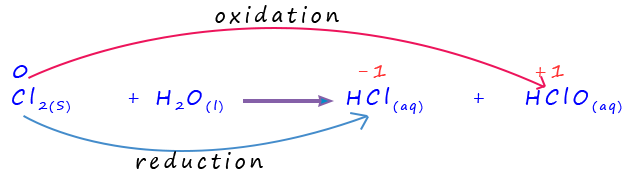
| What is Disproportionation? | In some redox reactions an element in a single oxidation state in a reactant can be simultaneously oxidised and reduced to form two different product with that element in different oxidation state. E.g. |
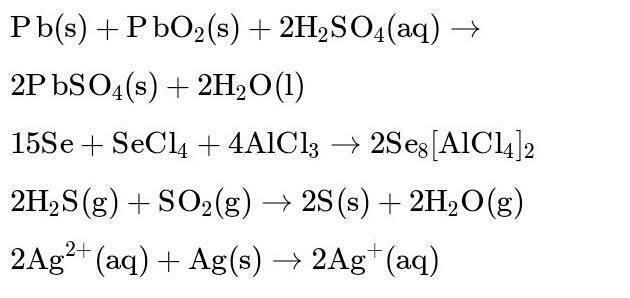
| What is comproportionation? | In other electron transfer reactions a single element present in two different oxidation states in different reactants may be simultaneously oxidised and reduced to some intermediate state E.g. |
| What do you do when the questions doesnt specify if in acidic or basic conditions? | Assume it is acidic |
| What does i mean in symmetry? | Inversion centre- this means that if you rotate around 180 degrees the elements surrounding centre are identical- have mirror planes |
| What kind of symmetry do linear molecules such as N2, O2 or even BeH2 have - AB2? | D∞h It has a ∞h and ∞v |
| What kind of symmetry do linear molecules such as SCN- and CO? | C∞v |
| What does the symbol E mean? | identity element- given to every molecule. It means it can be symmetrical or asymmetrical |
| What is the symbol for horizontal plane? | σh |
| What is the symbol for vertical plane? | σv |
| What does the symbol σd | If a vertical symmetry plane additionally bisects the angle between two 2-fold rotation axes perpendicular to the principal axis, the plane is dubbed dihedral |
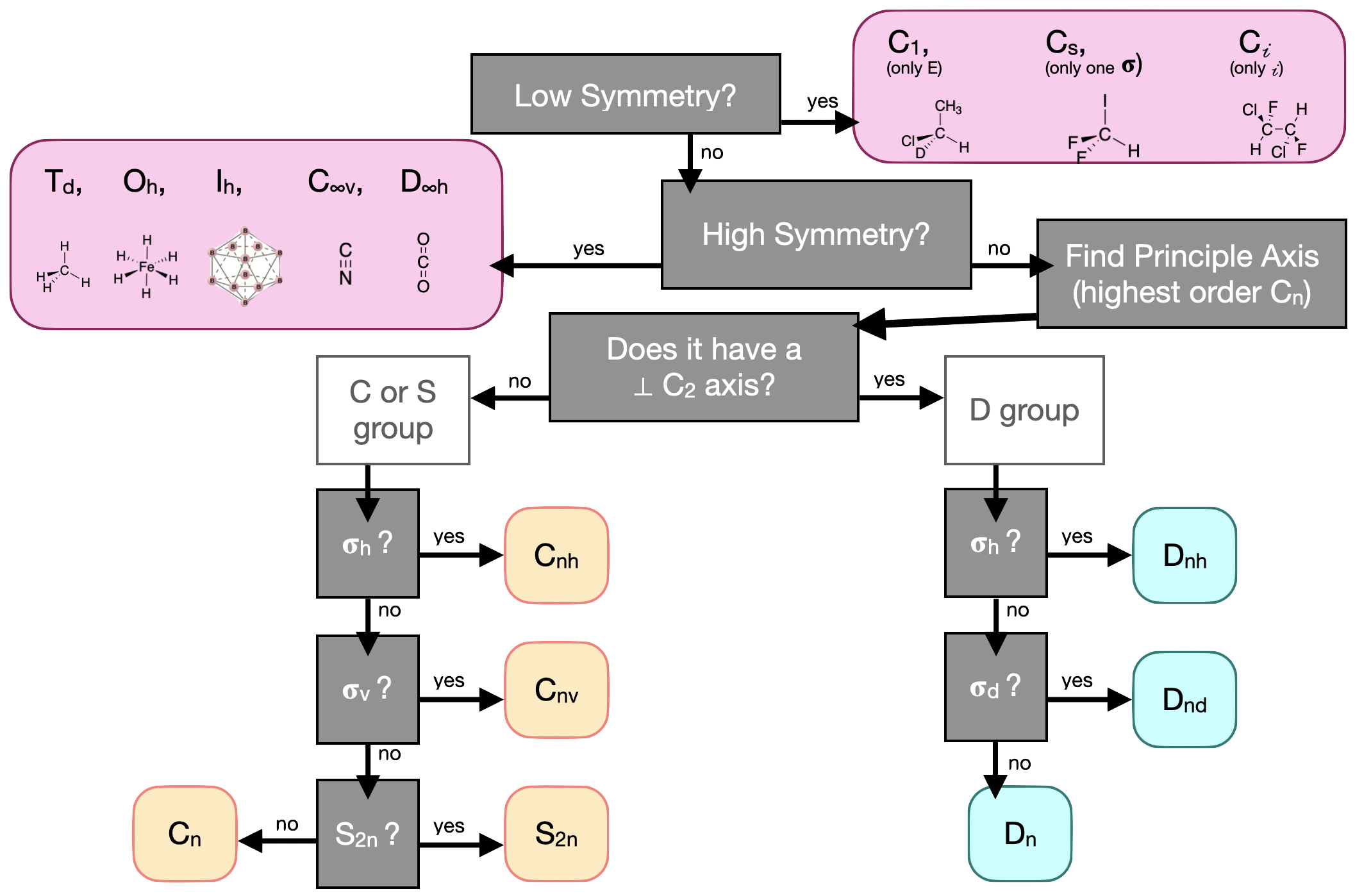
| Rules for assigning point group | |
| What is the point group for benzene? | none as it has neither high nor low symmetry |
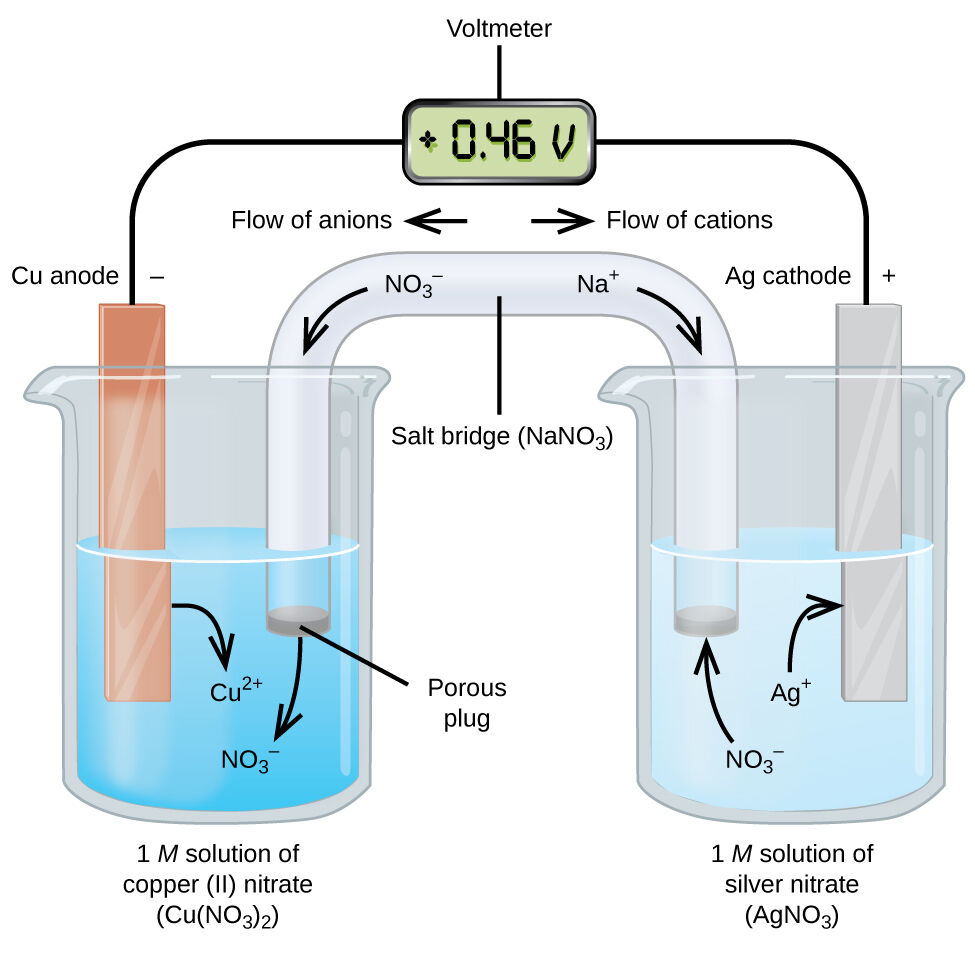
| Diagram of a voltaic cell also termed Galvanic which is spontaneous | |
| What are the features of a Voltaic Electrochemical cell? | 1. Oxidation at anode and reduction at cathode 2. We can calculate the potential for the overall reaction using the equation E cathode - E anode. If the Ve overall value is positive then the reaction is spontaneous 3. Components of the half reactions are placed in separate compartments to prevent direct electron transfer 4. Each cell contains an electrode and a solution of the appropriate ion 5. Two conducting bridges required: Electron conductor and Ion conducter (salt bridge) 6. Charges of the electrodes depend on whether the cell is in discharge or recharge |
| What is an important rule when calculating potential of cell? | Do not change the standard reduction potential with stochiometry |
| What is an electrolytic Electrochemical cell? | An unfavourable redox reaction by pumping electrons off a very negative electrode (cathode) for reduction and pulling them on to a very positive electrode (anode) for oxidation |
| What are the differences between Galvanic cell and Electrolytic cell? | Galvanic cell -> Spontaneous -> Releases energy -> Reactants -> Small positive charge on cathode -> Small negative charge on anode Electrolytic Cell ->Non-spontaneous forced reaction ->Requires energy input -> Reactants often in common compartment and products are separated -> Large negative charge on cathode |
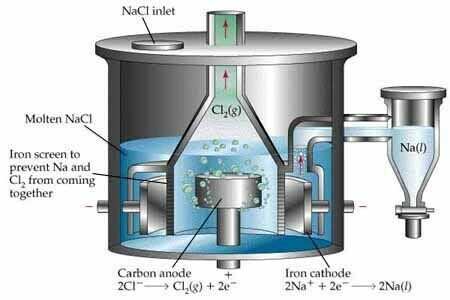
| What is a Down's cell? | Commerical Reduction of Elemental sodium |
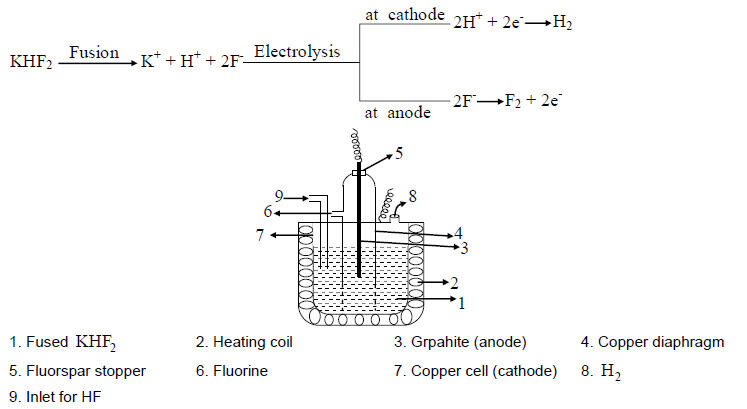
| What is the way commercial products of F2 are made? Graphite anode and steel cathode | |
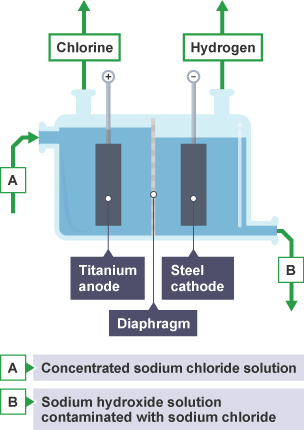
| What is the way commercial products of Cl2 are made? |
Image:
Small (image/png)
|
| How do you calculate yields of products and reactants needed in electrolytic cells? | Current (amperes) x Time (sec) -> Charge (Coulombs) -> Number of moles of electrons passes -> Number of moles of reactan/product |
| What is 1 mole of electron in Coulombs? | 96,500 Coulombs |
| What are batteries? | Chemical energy storage packs |
| What are the two types of batteries? | 1. Primary (disposable)- redox reactions which cannot easily be engineered to return to their original state by recharging 2. Secondary (rechargeable)- often termed storage. Reactions can easily be reversed by application of an electric current |
| What is the first example of Primary Batteries? |
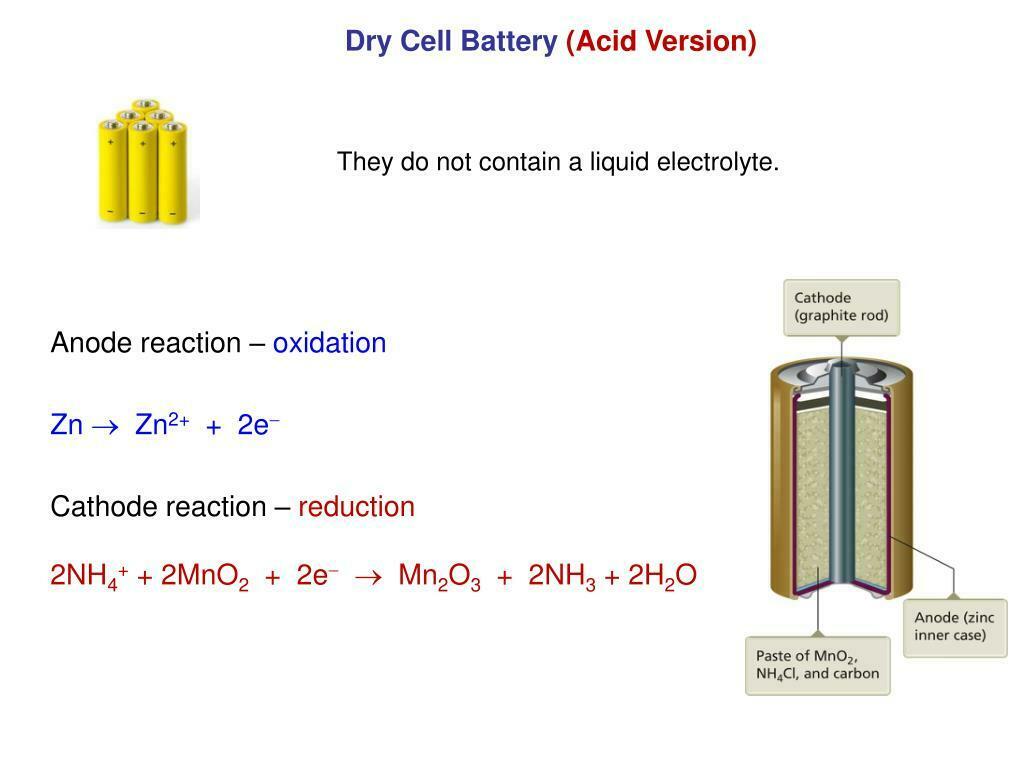
1. Dry- cell acid Battery (1866) - Zn anode oxidised and H+ reduced at graphite rod cathode. H+ ions are stored in battery as adducts with ammonia (ammonium cation).
2 gases formed hazardous in a small metal cylinder so further reaction used.
i) Ammonia used as a ligand to coordinate the Zn +2 ions formed at anode with 2Cl-
ii) H2 used up by being re-oxidised back to H+ by reduction of Mn(IV) in MnO2 paste
Image:
Slide23 L (image/jpeg)
|
| What is the second example of Primary Batteries? | 2. Alkaline Battery in base. Zinc oxidised and MnO2 reduce Oxidising reaction Zn--> ZnO (balance in base) Reducing reaction MnO2 -> Mn2O3 Overall balance equation= Zn + 2MnO2---> ZnO + Mn2O3 AA & AAA batteries |
| What is the third example of Primary Batteries? | 3. Silver oxide battery in base Oxidation at zinc from Zn --> ZnO Reduction at Ag2O from Ag2O ---> Ag Overall balance reaction= Ag2O + Zn ---> ZnO + 2Ag |
| What is the fourth example of Primary Batteries? | Zinc-Oxygen battery in base Oxidation at zinc from Zn---> ZnO Reduction at Oxygen from O2 --> OH- Overall balance reaction= 2Zn + O2 ---> 2ZnO |
| How do all 3 examples of secondary batteries work? | They require electrical current from external source to reverse the chemical half reactions that occur spontaneously during discharge. Produce 2 solid products during discharge critical to keep the products on the electrode so the electrochemistry can be forcibly reversed during recharge |
| What is the first example of a secondary battery? | 1. Lead acid car battery- has large potential difference of 12V Oxidation equation for recharge = Pb +2 --> Pb +4 + 2e- Reduction equation= 2e- + Pb +2 ---> Pb 0 Overall recharge and discharge = 2PbSO4 + 2H2O ⇌ Pb 0 + PbO2 + 2H2SO4 ---> recharge <--- discharge Anode= Pb 0 Pb + H2SO4⇌ PbSO4(precipitate adheres to Pb 0 electrode) + 2e- +2H+ --> discharge <-- recharge Cathode= PbO2 PbO2 + 4H+ + SO4 -2 + 2e- ⇌ PbSO4(Precipitates to PbO2 electrode) + 2H2O |
| What is the second example of a secondary battery? | 2. Nickle-Cadmium Battery occurs in base, generating insoluble metal hydroxides which adhere to electrodes Cd is oxidised and Ni +3 is reduced Discharge Anode=Cd oxidised , anode can be carbon rod Cd + 2OH- ⇌ Cd(OH)2 + 2e- ---> discharge <--- recharge Solid Cd(OH)2 adheres to electrode so is available for recharge reverse reaction Cathode= Ni 3+ reduced, cathode is unususal nickel oxide species NiO(OH) NiO(OH) + H2O + e- ⇌ Ni(OH)2 + OH- The overall reactions going on = Cd + 2Ni(O)(OH) + 2H2O ⇌ Cd(OH)2 + 2Ni(OH)2 |
| What is the third example of a secondary battery? | 3. Li ion battery. Both need an electron in or out. Unique feature is that the electron is carried with a Li+ ion. This speeds up electron transfer in the battery container. Both e- and Li+ are charge carriers Discharge- Co 4+ reduced and C- oxidised Cobalt: Co 4+ ⇌ Co 3+ Carbon: Cn- ⇌ Cn 0 Electron is carried with Li+ Co 4+ + e- ---> Co 3+ Co 4+ + [e- + Li+] ---> LiCo 3+ Cathode discharge CoO2 = CoO2 + [Li+ + e-] --> LiCoO2 Anode discharge- graphite intercalared with Li = LiCn + CoO2 ⇌ Cn 0 + [Li+ + e-] Overall: LiCn + CoO2 ⇌ Cn + LiCoO2 Both e- + Li+ ions are moved, both are charge carriers |
Want to create your own Flashcards for free with GoConqr? Learn more.