
6765302
Description

Mind Map by Samantha Strong, updated more than 1 year ago
More

1_1_ADHD
- What is
ADHD?
- “a persistent pattern of inattention and/or hyperactivity-impulsivity that interferes with
functioning or development” p. 251
- Not recognized as a disability under IDEA
- Classified as Other Health Impairment (OHI)
- Prevalence varies among states
- High prevalence in Alabama
- High prevalence in Alabama
- Three types
- Predominantly inattentive type
- Predominantly hyperactive-impulsive type
- Combined type
- Predominantly inattentive type
- One of the most common childhood disorders
- More common in boys
- About 5 million school-age children affected
- More common in boys
- “a persistent pattern of inattention and/or hyperactivity-impulsivity that interferes with
functioning or development” p. 251
- What causes it?
- Unknown causes
- Research suggests a neurological dysfunction
- Possibly heredity
- Possibly environmental factors
- Comorbidity is common
- Unknown causes
- How can I help students with ADHD?
- Be conscious of social and emotional difficulties for students
- Communicate with parents regularly
- Encourage self-regluation
- Use three-pronged strategy
- Evaluate the child’s individual needs and strengths
- Select appropriate instructional practices
- Integrate practices within the IEP if applicable
- Evaluate the child’s individual needs and strengths
- Use multimodal interventions
- Instructional adaptations
- Behavioral interventions
- Counseling
- Home-school communication
- medication
- Instructional adaptations
- Be conscious of social and emotional difficulties for students
- What role does medication play in the treatment of ADHD?
- Psychostimulants
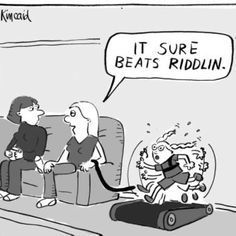
- Ritalin, Dexedrine and Adderall are most common
- Ritalin, Dexedrine and Adderall are most common
- About 2.7 million children take ADHD meds
- 70-80% respond favorably
- Parents should work with teachers and health-care providers to determine appropriateness
and effectiveness
- Teachers should never suggest medication
- Teachers cannot contact the physician, only parent
- Teachers should never suggest medication
- Only one component of a total treatment package
- Instruction and environmental accommodations should come first
- Instruction and environmental accommodations should come first
- Psychostimulants
- Instructional Modifications
- Intentional placement
- Be explicit
- Adapt assignments
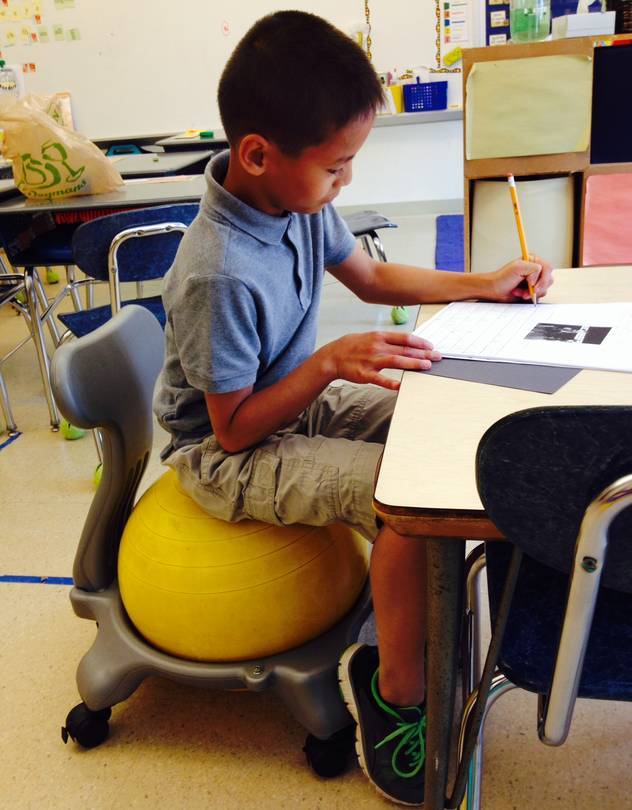
- Provide opportunities for movement
- Use assistive technology
- Intentional placement
Media attachments



Want to create your own Mind Maps for free with GoConqr? Learn more.