
Mind map
B4
Map content
B4
Enzymes
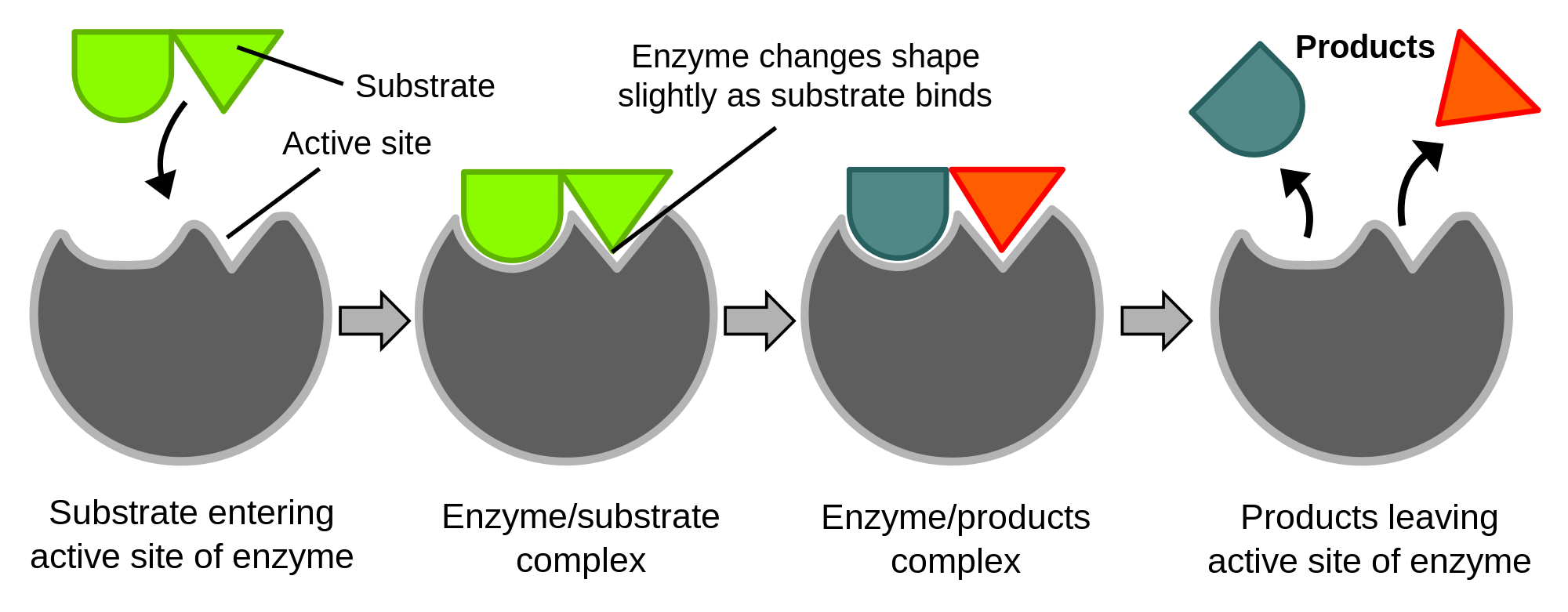
- Biological catalysts that speed up chemical reactions
- Work best at optimum pH or temperature
- Exceeding optimums makes the enzyme change shape, or denature
- Lock and Key Model
Respiration
- Aerobic
- Energy used for movement, active transport and synthesis of large molecules
- With oxygen
- Releases more energy per glucose molecule
- Equations
- A series of food chemical reactions that release energy by breaking down large food molecules
- Anaerobic
- Without oxygen
- Less energy per glucose molecule
- Equations
- Animal cells and some bacteria
- Glucose ==> Lactic Acid
- Plant cells and some microorganisms
- Glucose ==> Ethanol + Carbon Dioxide
- Animal cells and some bacteria
- Aerobic
Fermentation
- When microorganisms break down sugars into other products as they respire anaerobically
- Biogas
- Fuel for heating and lighting
- Lots of different microorganisms used to produce it
- Ferment plant and animal waste, which contains carbohydrates
- Biogas produced mainly made of methane and carbon dioxide
- Bread
- Made using yeast
- Yeast ferment carbohydrates in flour and release carbon dioxide, causing bread to rise
- Alcohol
- Yeast ferment sugar to form alcohol
- Sugar used in alcohol production comes from grapes (for wine) and barley (for beer)
Photosynthesis
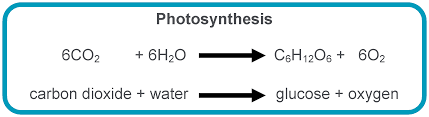
- A series of food chemical reactions that uses energy from sunlight to produce food
- Produces glucose - a sugar
- Happens in leaf cells
- Chlorophyll is a green substance which absorbs sunlight and allows energy to be used to convert carbon dioxide and water into glucose
- Equations
- Glucose
- Used for respiration - releases energy from glucose
- Used to make chemicals for growth
- Converted into cellulose for cell walls
- Combined with nitrogen to make amino acids to make proteins
- Helps to make chlorophyll
- Stored as starch - in roots, stems and leaves, used when rates of photosynthesis is slower, like winter
- Factors
- When a factor stops photosynthesis from happening any faster, it becomes a limiting factor
- Light
- Carbon Dioxide
- Temperature
Diffusion - passive overall movement of particles from a region of higher concentration to a region of lower concentration
Osmosis - overall movement of water from a region of higher concentration to a region of lower concentration through a partially permeable memberane
Active Transport - overall movement of chemicals across a cell membrane from a region o lower concentration to a region of higher concentration using energy released by respiration
Images and files in the map

Information
- Description
- First unit of Biology from OCR 21st Century Additional Science: B4 - The processes of life
- Created by
- Uzair Arif
- Views
- 247
- Tags
- Rating