
Quiz
Semester 1 Grammar review
Create a free account to finish this quiz
Save your progress and see your final score.
Already have an account? Sign in
Questions in this quiz (35)
1Marcos es de Buenos Aires, él es _______
- Auruguayo
- Bparaguayo
- Cchileno
- Dchileño
- Eargentino
2Beatríz es de Honduras, ella es_____.
- Ahonuran
- Bhondureña
- Chondurense
- Dhondurteca
3Which of these is the best translation for:
We are having lunch now, will you have lunch with us?- AAlmorzamos ahora, ¿almorzas con nosotros?
- BAlmorzamos ahora, ¿almuerzas con nosotros?
- CAlmuerzamos ahora, ¿almorzas con nosotros?
- DAlmuerzamos ahora, ¿almuerzas con nosotros?
4Which of the following is an e → i stem changing verb?
- Aquerer - to want
- Brepetir - to repeat
- Csentir - to feel
- Dpedir - to ask for / request
- Ecerrar - to close
- Fempezar - to begin
5If we were to change the following to the negative, what would be the best statement?
Mi hermano tiene razón siempre (My brother is always right).- AMi hermano no tiene razón.
- BMi hermano tiene razón nunca.
- CMi hermano no tiene razón nunca.
6Which word would best complete the statement?
La profesora no está contenta porque _____ chico tiene su tarea hoy.- Anadie
- Balguien
- Cningún
- Dninguno
- Eninguna
- Falgún
7Which of the following is the best way to complete this statement of comparison?
Gustavo es alto, pero Inéz es baja. Gustavo es ____ alto ____ Inéz.- A Gustavo es más alto como Inéz.
- B Gustavo es más alto que Inéz.
- C Gustavo es mayor alto como Inéz.
- D Gustavo es mejor alto que Inéz.
8Which of these is the best statement of comparison?
Juila tiene una mochila bonita, y Jazmín también.... La mochila de Julia es ____ bonita ____ la mochila de Jazmín.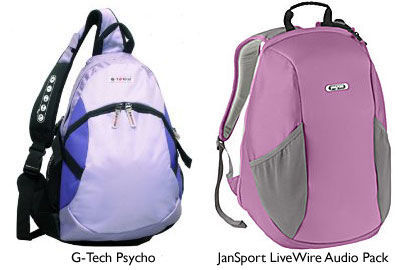
- ALa mochila de Julia es igual bonita que la mochila de Jazmín.
- BLa mochila de Julia es tan bonita que la mochila de Jazmín.
- CLa mochila de Julia es tan bonita como la mochila de Jazmín.
- DLa mochila de Julia es tanta bonita como la mochila de Jazmín.
9Which of the following statement is true?
- ANo sé bailar pero sé a muchas bailarinas.
- BNo conozco bailar pero conozco a muchas bailarinas.
- CNo conozco bailar pero sé a muchas bailarinas.
- DNo sé bailar pero conozco a muchas bailarinas.
10What is the best response this question?
¿Cuánto tiempo hace que juegas al basquetbol?- AJuego hace dos años.
- BJuego dos años hace.
- CHace juego dos años.
- DJuego dos años.
- ECuanto dos años juego.
11Which of these is NOT a reflexive marker?
- Ame
- Bte
- Cnos
- Dos
- Elo
- Fle
- Gse
12Which of these is in the logical correct order?
- AMe lavo las mano antes de secar las manos
- BMe lavo las manos despues de secar las manos.
- CMe seco las manos después de lavarme las manos.
- DMe seco las manos antes de lavarme las manos.
13Reflexive markers have various placements in a sentence. All of the following but one is a possible placement for the reflexive marker. Which one of these is incorrect?
- ABefore a conjugated verb.
- BAfter an infinitive
- CAfter a progressive form (the gerund)
- DAfter a positive command
- EAfter a perfect form (the participial form)
14If José is born in Guatemala, but works in Miami, which of the following is true?
- AJosé es de Guatemala y ahora es en Miami.
- BJosé está de Guatemala y ahora está en Miami.
- CJosé es de Guatemala y ahora está en Miami.
- DJosé está de Guatemala y ahora es en Miami.
15Paying attention to ser and estar, how would you translate the following?
María is happy. She is a little short, but is playing basketball for the school.
- AMaría es contenta. Ella es un poco baja, pero es jugando basketbol para la escuela.
- BMaría es contenta. Ella es un poco baja, pero está jugando basketbol para la escuela.
- CMaría está contenta. Ella es un poco baja, pero es jugando basketbol para la escuela.
- DMaría está contenta. Ella es un poco baja, pero está jugando basketbol para la escuela.
- EMaría es contenta. Ella está un poco baja, pero está jugando basketbol para la escuela.
16How would you best express the following?
I can't find them anywhere, where are my maps?- A... las mapas mías.
- B... las mías mapas.
- C... los mapas míos.
- D... los míos mapas.
17Which of these is correct as they fight about the book?
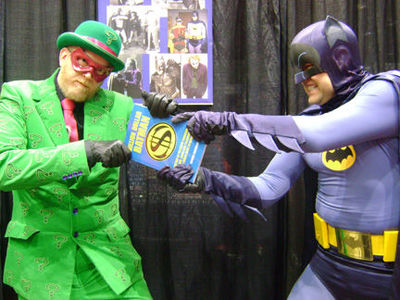
- AEsta no es tuya, es mía.
- BEsta no es tuya, es mío.
- CEste no es tuyo, es mía.
- DEste no es tuyo, es mío.
18How could you state the following in the past tense?
- Hoy yo como pizza, bebo un refresco, y mi hermana habla conmigo.- AThere is no difference - you just say 'yesterday'
- Ayer yo como pizza, bebo un refresco, y mi hermana habla conmigo. - BAll verbs end in the same past tense 'ed' ending
Ayer yo comí pizza, bebí un refresco, y mi hermana hablí conmigo. - CEach verb gets a different kind of ending.
Ayer yo comé pizza, bebí un refresco, y mi hermana hablá conmigo. - DAR verbs get one kind of ending, ER and IR a different, and different subjects do too.
Ayer yo comí pizza, bebí un refresco, y mi hermana habló conmigo.
- AThere is no difference - you just say 'yesterday'
19How would you say the following in the past tense?
Hoy yo toco el piano y almuerzo con mis amigos. (today I play the piano and eat lunch with my friends)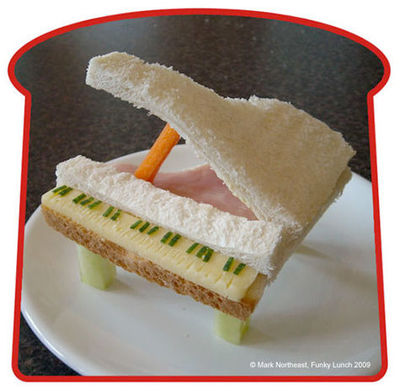
- A... tocé .... almuerzé.
- B... toqué .... almuercé.
- C... tocé .... almorcé.
- D... tocé .... almuerqué.
- E... togué .... almuergué.
20Do you want this dress or that one?

- A¿Quieres esta vestido o aquella?
- B¿Quieres esto vestido o aquello?
- C¿Quieres ese vestido o aquel?
- D¿Quieres este vestido o aquel?
21Some of the following answers here are NOT direct objects. Select the ones that don't belong to this set.
- Ame
- Bte
- Cle
- Del
- Elo
- Fla
22A: ¿Puedes aydar a mamá con el trabajo?
B: Sí, yo ____ ayudo.- Ame
- Bte
- Cla
- Dlo
23Which of the following are correct ways to answer this question?
A: ¿Vas a comer el pastel?
B: Sí __________- Avoy a comerlo
- Bvoy a lo comer
- Cvoy lo a comer
- Dlo voy a comer
24A: ¿Dónde los espera tu papá a tu hermano y a ti?
B: _____ está esperando en el cine.- Ame
- Bte
- Clos
- Dnos
- Eos
25Which of the following is the best answer?
¿Cuál música te gusta más? La música de Argentina o la música de Colombia?
- AMe gusta música de Argentina.
- BMe gusta la de Argentina.
- CMe gusta de Argentina.
- DMe gusta Argentina.
26In dropping a noun in a statement (such as below) what remains in the statement?
¿Cuál camiseta te gusta más? ... ¿Te gusta la camiseta verde o la camiseta blanca con círculos?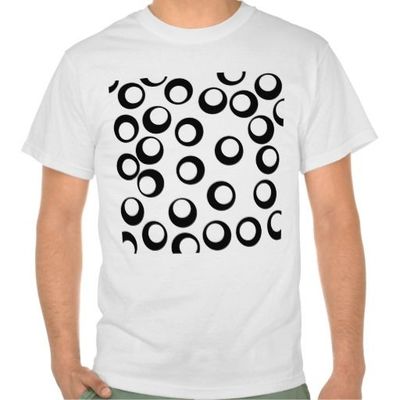
- AOnly the adjectives remain!
Me gusta blanca con círculos. - BCan't drop a noun that doesn't make sense.
Me gusta la camiseta verde. - CDrop only the noun, leave the article and any phrases
Me gusta la blanca con círculos - DDrop the noun, the article and the adjective, the person will understand.
Me gusta
- AOnly the adjectives remain!
27How do you say the following in the past tense?
I went to the restaurant and I gave my girlfriend a ring.
- AVoy al restaurante y doy un anillo a mi novia.
- BVí al restaurante y dé un anillo a mi novia.
- CFui al restaurante y di un anillo a mi novia.
- DFue al restaurante y dio un anillo a mi novia.
28How would you say the following in the past tense?
I went to the movies and saw a good movie. It was a wonderful evening.
- AYo voy al cine y veo una buena película. Es una noche maravillosa.
- BYo fue al cine y fue una buena película. Fue una noche maravillosa.
- CYo fui al cine y fue una buena película. Fui una noche maravillosa.
- DYo fui al cine y vi una buena película. fue una noche maravillosa.
29Which of the following answers are possible to this question?
¿Quién hizo tu cama esta mañana?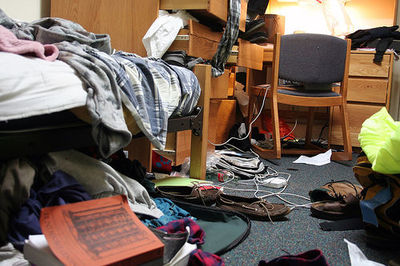
- AMi mamá la hice
- BTu haces la cama
- Cyo la hice esta mañana.
- DNadie la hizo.
30What is a good answer to the following question?
¿Pudiste comprar la ropa para la fiesta?- ASi la pude compré.
- BNo, no la pude comprar.
- CNo, no la poder compré.
- DSi, pude la comprar.
31What do you tell a child when they have not yet eaten their vegetables?
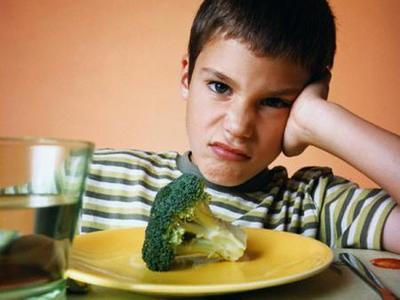
- A¡Comes las verduras!
- B¡Cómelas!
- C¡Come tus verduras!
- D¡Cómete verduras!
32The following are the irregular verbs for the commands
Ven Di Sal Haz Ten Ve Pon Sé
- ATrue
- BFalse
33Es muy fácil llegar a mi casa de aquí. Dobla a la derecha en la primera calle, entonces _____ derecho por dos cuadras. (ir)
- Ava
- Bve
- Cvi
- Dvaya
- Efue
- Fyendo
34¿Qué estas haciendo?
- AEstoy hablando con mi mamá y bebiendo un café.
- BEstoy hablando con mi mamá y bebando un café.
- CEstoy habliendo con mi mamá y bebiendo un café.
- DEstoy hablo con mi mamá y bebo un café.
35¿Qué están haciendo? (leer y pedir ayuda)
- AEstoy leer un libro y mi amigo está pedir ayuda.
- BEstoy leiendo un libro y mi amigo está pediendo ayuda.
- CEstoy leendo un libro y mi amigo está pidiendo ayuda.
- DEstoy leyendo un libro y mi amigo está pidiendo ayuda.
Information
- Description
- This is a short quiz on the grammar we looked at during the semester. Only a few questions per each grammar point.
- Author
- MrAbels
- Language
- English
- Views
- 127
- History
- Created on 6 Dec 2014 · updated on 26 May 2016
- Tags
- Rating
- No ratings yet Rate this quiz