
7852783
Description

Mind Map by Gabi Wilson , updated more than 1 year ago

|
Created by Gabi Wilson
almost 9 years ago
|
|
theories of attachment
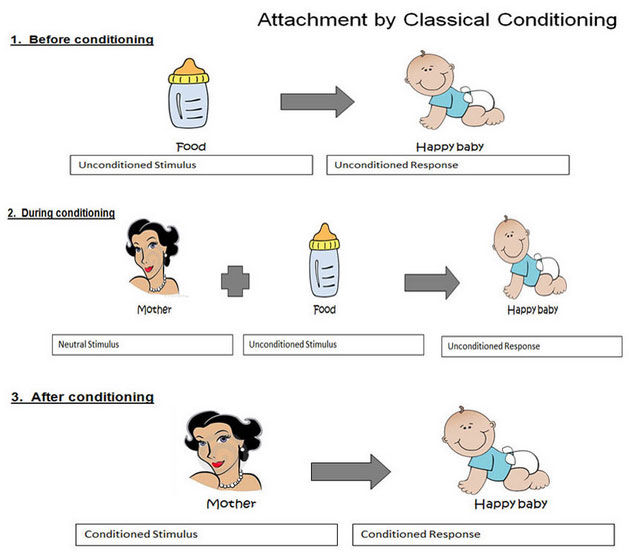
- Learning theory
- infants have no innate ability to
form attachments they learn
through food.
- Harlows monkeys and Lorenz Goslings go against this
- infants have no innate ability to
form attachments they learn
through food.
- evolutionary theory
- the tendancy to form attachments
is innatend founf in babies and
mums
- the tendancy to form attachments
is innatend founf in babies and
mums
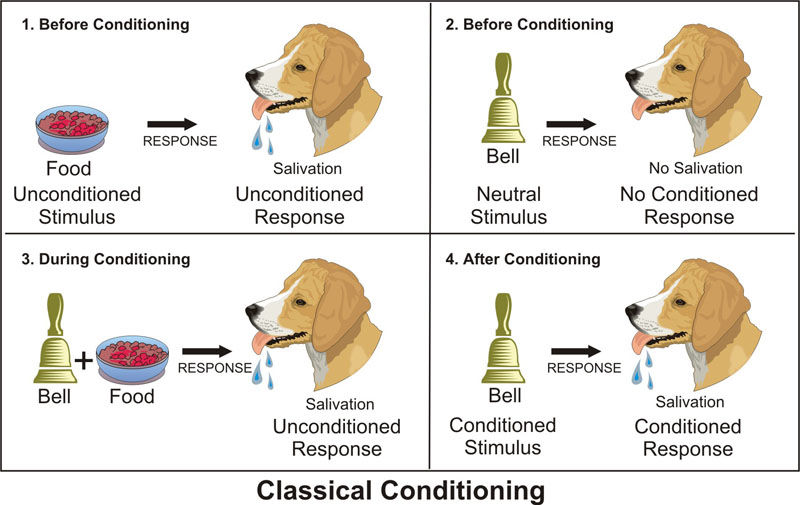
- classical conditioning- learning through association
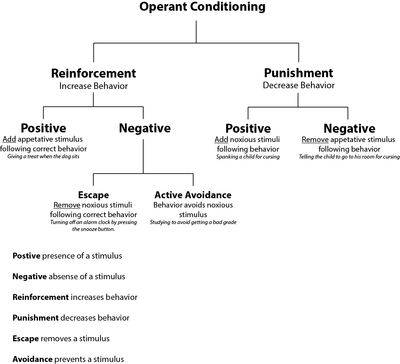
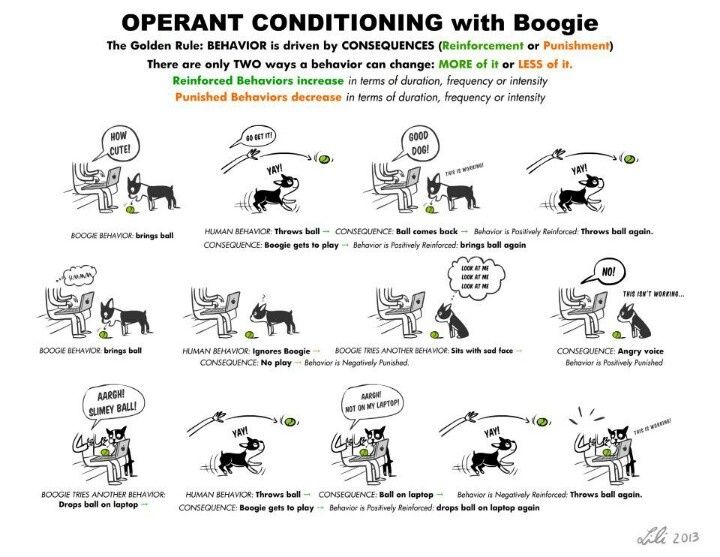
- operant conditioning- learning via consequence
- Bowlbys theory of attachment
- Bowlbys theory states that we grom innate
attachments with our mothers for survival.
However, this attachment must be formed within
the critical period, which for humans is betwwen
birth and 2 years or an attchment will not be
formed. Bowlby put forward the idea of
MONOTROPY, the idea that we form a strong
attachment to 1 particular adult. The mother must
respond to spcial releases if she wants to become
the primary care giver. The first attachment formed
serves as a framework for all other attachments.
this is the internal working model.
- evaluate
- EVIDENCE TO SUPPORT: lorenz goslings- supports the idea of
imprinting and having an innate attachment, they stay close to
their parent to survive and for food. And one strong attachments
for monotropy
- however, human brain is more complex interms of
attachments we cant extrapolate to humans
- however, human brain is more complex interms of
attachments we cant extrapolate to humans
- HAZEN AND SHAVERS LOVE
QUIZ- supports IWM was a link
between the type of chidhood
people had and their future
relationships
- RUTTER: MULTIPLE ATTACHMENTS ARE NORM-
infants form attachments with multiple
adults, not just the mother, going against
monotropy.
- LAMB- infants have secure attachments with
the fathers,grandparents and siblings, we
form secure attachments with those closest
to us , but these may vary (father for play)
- SHAFFER AND EMERSON. found
children form attachments with
other people shortly after the
specific attachment. these prove to
be just as valuable to the child
- LAMB- infants have secure attachments with
the fathers,grandparents and siblings, we
form secure attachments with those closest
to us , but these may vary (father for play)
- INDIVIDUAL DIFFERENCES- izendoorn cross
cultural studies- if attachments were innate
there would be no variance between
cultures
- EVIDENCE TO SUPPORT: lorenz goslings- supports the idea of
imprinting and having an innate attachment, they stay close to
their parent to survive and for food. And one strong attachments
for monotropy
- evaluate
- Bowlbys theory states that we grom innate
attachments with our mothers for survival.
However, this attachment must be formed within
the critical period, which for humans is betwwen
birth and 2 years or an attchment will not be
formed. Bowlby put forward the idea of
MONOTROPY, the idea that we form a strong
attachment to 1 particular adult. The mother must
respond to spcial releases if she wants to become
the primary care giver. The first attachment formed
serves as a framework for all other attachments.
this is the internal working model.
Media attachments
Want to create your own Mind Maps for free with GoConqr? Learn more.